
Livraison le jour même ou le lendemain

Qualité garantie

Débloquez vos offres de bienvenue: Livraison GRATUITE | Jusqu'à -80 % | 30 jours d'essai gratuits à JoyPlus
Téléchargez l'application
A niacinamide facial treatment can help address several concerns, including excess sebum, visible pores, post-acne marks, uneven skin tone and dehydration. However, not all formulas are created equal. The percentage shown on the bottle alone is not enough to determine whether a product belongs in your routine.
Before buying a niacinamide serum or cream, start by identifying your main priority and look at the formula as a whole. This approach helps you avoid three common mistakes.
A higher concentration does not necessarily mean better results — or better tolerance. Sensitive or reactive skin may respond better to a balanced formula enriched with hydrating and soothing ingredients. Oily skin, meanwhile, may benefit from a combination of zinc PCA, clay or salicylic acid.
The percentage should therefore be assessed in the context of the complete formula: the position of niacinamide in the INCI list, the presence of denatured alcohol, fragrance, exfoliating acids and ingredients that help prevent dehydration.
A radiance serum can restore luminosity to dull skin without specifically targeting pigmentation. To target dark spots, choose formulas that clearly combine niacinamide with vitamin C, tranexamic acid or alpha-arbutin.
However, claims highlighted by brands should be interpreted with some caution. When a duration or percentage improvement is stated, it generally refers to a test carried out under conditions specific to the brand, its products and its volunteers. This result should not therefore be taken as an identical promise for every user.
Niacinamide often features in routines designed to even out the complexion. However, sun exposure can maintain or intensify the appearance of pigmentation. In the morning, always apply suitable sun protection, especially if your routine also contains acids.
Start by identifying your main goal:
A 5% niacinamide serum is often a sensible starting point. Formulas containing 10% or more are intended for people looking for a higher concentration, but it is best to introduce them gradually.
Also examine the order of the ingredients. The presence of salicylic acid, glycolic acid, PHA or fragrance can affect how well the product is tolerated. If your skin is sensitive, avoid layering several exfoliating products at the beginning.
A 30 ml bottle is suitable for targeted use and allows you to replace the product regularly. A 50 ml cream or 250 ml lotion will be more practical for a daily routine applied over a larger area. Always check the best-before date, batch number and INCI list printed on the packaging: the formula may change over time.
Before applying the product for the first time, test it on a small area. If persistent redness, itching or a burning sensation occurs, stop using it immediately. Do not apply these products to broken skin and avoid the immediate eye area.
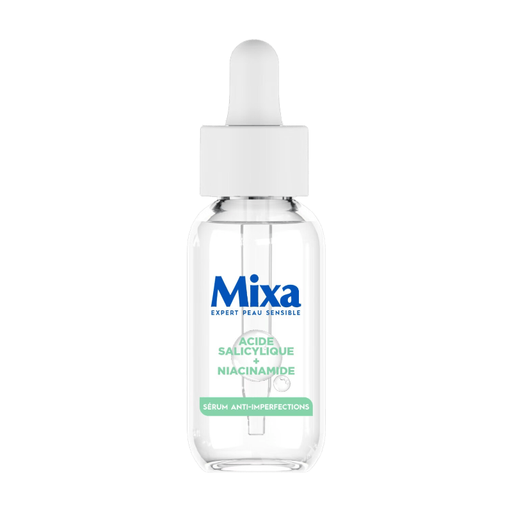
Why this choice suits this profile : Its dropper bottle and morning-and-evening use make it easy to start with a simple routine, particularly for combination to oily and sensitive skin.
The product information clearly states that it contains niacinamide and salicylic acid, rather than relying solely on a radiance claim. If your skin is easily irritated, introduce it gradually.
A lightweight texture, a 30 ml bottle, glycerine and targeted application on affected areas.
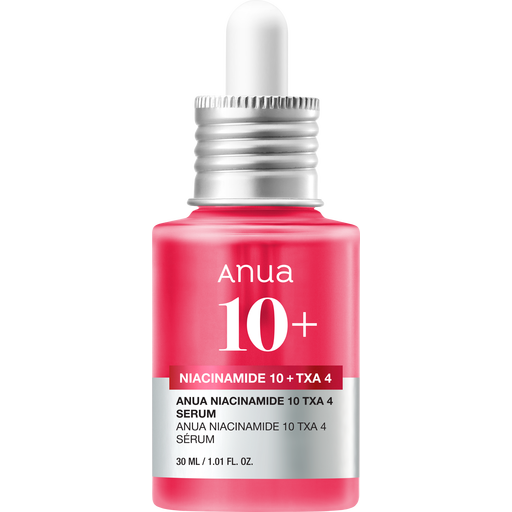
Why this choice suits this profile : This formula is designed for those who want to combine 10% niacinamide with active ingredients targeting the appearance of dark spots and skin comfort.
The product information clearly distinguishes between niacinamide, tranexamic acid and alpha-arbutin. This makes it easier to compare the formula with other products for dark spots.
Hyaluronic acid, panthenol, centella asiatica and several plant oils in a serum texture.
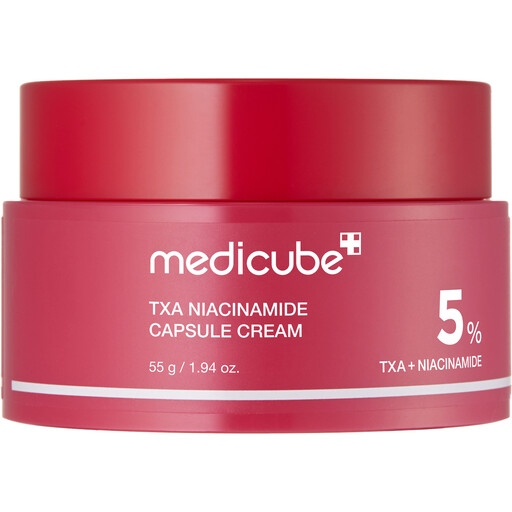
Why this choice suits this profile : Its cream texture is used as the final step in a routine designed both to improve the appearance of the complexion and preserve skin comfort, morning or evening.
The formula does not rely solely on a brightening active highlighted on the packaging: it also contains panthenol, ceramides and several forms of hyaluronic acid.
A 55 g format, tranexamic acid, alpha-arbutin and a texture containing melting capsules to massage into the skin.
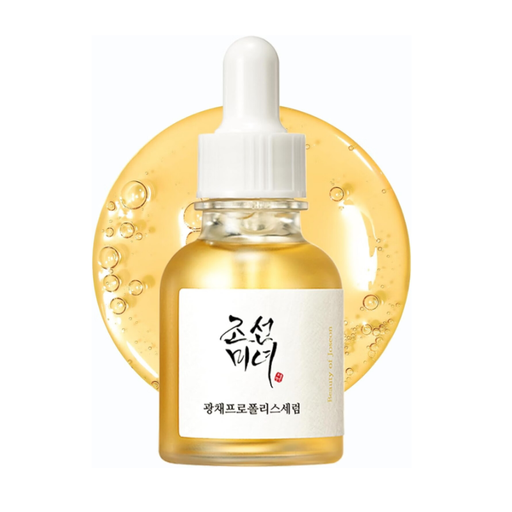
Why this choice suits this profile : Its formula combines propolis, glycerine, hyaluronic acid and niacinamide in a routine focused on hydration and the appearance of pores.
The product information mentions a formula without synthetic fragrance, mineral oil, parabens or sulphates. A patch test is still recommended before first use.
Propolis, niacinamide, betaine salicylate and hyaluronic acid in a serum texture.
We have brought together a complete, real-time updated selection of products that meet these demanding criteria and European safety standards.
Start by cleansing your face, then apply a few drops of serum to dry or slightly damp skin. If necessary, follow with a face moisturiser. In the morning, finish with sun protection. If your product contains salicylic acid, an AHA exfoliant or another targeted active ingredient, alternate applications at first rather than layering several potentially irritating formulas.
How often you use it depends on the formula and your skin’s tolerance. To begin with, applying it every other day may be more than enough. Consistency will deliver better results than accumulating products.
Yes, many formulas are designed for daily use. However, check the manufacturer’s recommendations. Sensitive skin can start with less frequent applications, then gradually increase the frequency if no discomfort occurs.
It is often included in products designed for combination to oily skin, particularly formulas combined with zinc PCA or salicylic acid. Choose a lightweight texture and check for alcohol or fragrance if your skin reacts to these ingredients.
Follow the best-before date shown on the packaging and close the bottle carefully after each use. Store it away from heat and direct light. If the smell, colour or texture changes, it is best to stop using the product.