
Livraison le jour même ou le lendemain

Qualité garantie

Débloquez vos offres de bienvenue: Livraison GRATUITE | Jusqu'à -80 % | 30 jours d'essai gratuits à JoyPlus
Téléchargez l'application
After a day spent in front of a screen, a long car journey or an extended flight, your neck and shoulders can become stiff and painful. A neck and shoulder massager can help you enjoy a moment of relaxation at home, in the office or on the go. However, product listings often compete with promises that are difficult to compare: “deep” massage, “smart” heat, multidimensional technology or battery life figures given without specifying the conditions of use.
Before buying a neck massager, focus primarily on the technology, comfort, session length and safety instructions. This approach will help you distinguish genuinely useful features from marketing claims.
Six programmes do not necessarily correspond to six distinct sensations. When comparing a shiatsu massager, pay closer attention to:
A device offering two directions and three speeds may be easier to use than a model displaying a long list of poorly defined modes.
A heated neck massage can feel soothing, but the temperature, heating duration and contact with the skin matter more than the wording used in the product listing. Any stated temperature should be accompanied by a precise range or setting. People who are sensitive to heat can use the device over a thin layer of clothing when recommended in the instructions, and stop the session at the first sign of discomfort.
An electric neck massager that is too heavy or poorly balanced can become uncomfortable after just a few minutes. For a hands-free device, check the weight, support shape and securing system. With a handheld model, the handles should allow you to position the massage heads correctly without placing excessive strain on your arms.
Shiatsu-style rotating heads reproduce a mechanical kneading motion. They are suitable for people looking for targeted pressure, particularly around the trapezius muscles and upper back. Vibrating devices are generally gentler and lighter. Some models combine vibration, rotating massage and electrical stimulation. The latter requires careful attention to contraindications, particularly if you have an implanted electronic device.
For versatile use, check whether the device can be placed on the shoulders, back, thighs or legs. A shoulder and back massager will be more useful if you plan to use it beyond the neck area.
Look for a temperature specified in the technical details, an independent heat setting and an automatic shut-off function. Several devices featured here limit sessions to approximately 15 minutes, which is consistent with the recommendations in their instruction manuals. Never use an electrical device near water, while sleeping or while driving.
If you are pregnant, have a neck injury, circulatory problems, a pacemaker or another implant, consult a healthcare professional before use. These devices are designed for relaxation and are not a substitute for diagnosis or treatment.
A portable rechargeable massager with a USB-C port is easy to carry between home, the office and your travels. However, check the type of cable supplied: some models still use micro-USB. The stated battery life should be considered alongside the length of each session and the selected heat level.
A removable, washable cover makes maintenance easier. For models without one, use a slightly damp cloth and never immerse the device in water. Always allow it to cool completely before storing it.
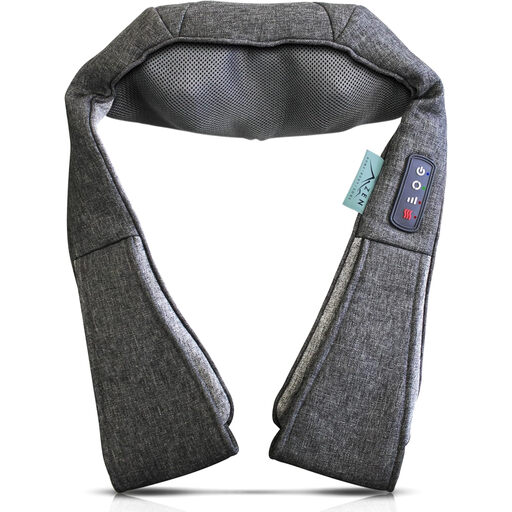
Why this model fits: A straightforward way to get started with neck massage at home, in the office or on the go, with USB-C charging.
The listing clearly specifies two directions, three speeds and an independently controlled heating function, without an overcomplicated selection of hard-to-distinguish programmes.
USB-C rechargeable battery, ergonomic design, heating function and a dedicated aromatherapy compartment.
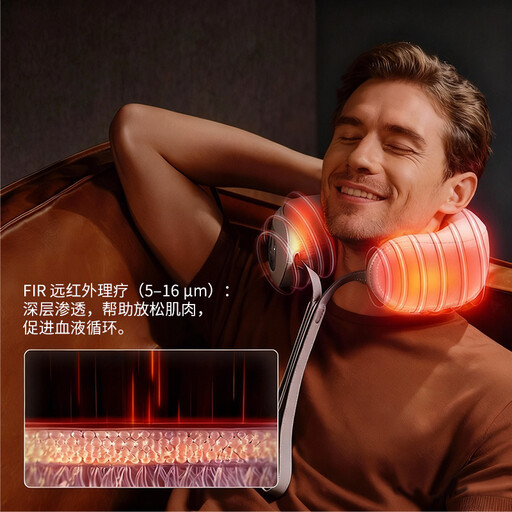
Why this model fits: Its enveloping design is aimed at adults who want generous coverage of the neck and shoulders during a quiet break.
The listing specifies 270° coverage, 42 contact points and a stated heating temperature of 43 °C. Use it with its cover, as instructed.
Advertised 3D massage technology, integrated heat, washable cover and use while seated, reclined or lying down.
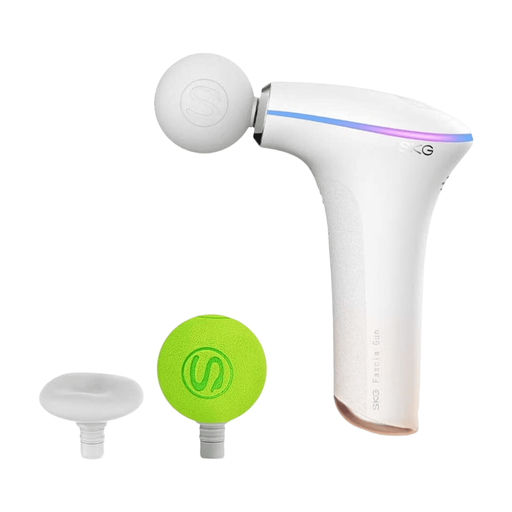
Why this model fits: A compact device for targeting different areas after an active day, rather than limiting use to the neck.
The stated power is complemented by three speeds, three attachments and adjustable heat. The listed weight is 300 g.
Advertised battery life of more than six hours, USB-C charging, operation below 45 dB according to the listing and use on multiple parts of the body.
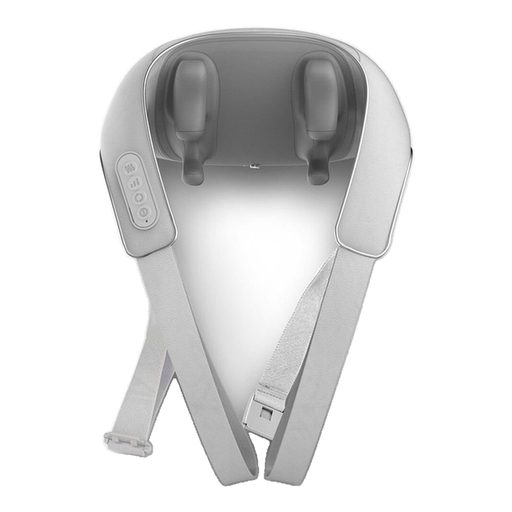
Why this model fits: Its cordless design and adjustable straps are ideal for working from home or enjoying a relaxing break without having to hold the device.
Pressure can be adjusted by pulling the straps, while the 15-minute automatic shut-off prevents sessions from running unnecessarily long.
Four kneading heads, two rotation directions, three speeds, integrated heat and a removable, washable cover.
Running costs depend mainly on recharging and how often you use the device. USB-C models and devices with an integrated battery eliminate the need to buy batteries regularly. The Medisana NM 990 advertises approximately eight 15-minute sessions per charge, while the SKG F5 promises more than six hours according to its product listing. Actual figures may vary depending on the selected heat and intensity settings.
For a heated device, also check the power rating, charging time and availability of a replacement cable. A clearly stated warranty and instructions in French are also worth checking before placing your order.
We have brought together an updated selection of devices that meet these purchasing criteria and the safety guidance applicable in France.
Follow the recommendations for your specific model. Many devices recommend sessions of around 10 to 15 minutes, with a break between uses. Start at the lowest setting and stop immediately if you experience pain, excessive heat or any unusual sensation.
Yes, provided the model is stable, sufficiently quiet and designed for use while seated. A hands-free model such as the Medisana NM 990 may be suitable for a short break, but avoid using it during any task that requires your full attention.
No. Heat is an optional feature. Some people prefer a massage without heat, particularly if they have sensitive skin or in hot weather. Choose a device that allows you to switch off the heat independently, so you can tailor each session to your comfort.