
Livraison le jour même ou le lendemain

Qualité garantie

Débloquez vos offres de bienvenue: Livraison GRATUITE | Jusqu'à -80 % | 30 jours d'essai gratuits à JoyPlus
Téléchargez l'application
Weight, waterproofing, capacity, budget… Choosing a hiking tent can quickly become overwhelming. This is where NatureHike truly shines. The brand has won over outdoor enthusiasts with gear that strikes the perfect balance between performance and an accessible price point.
As a product expert at Joybuy, I'm here to break down the jungle of models for you. The goal of this guide is to help you decipher the NatureHike range and find THE tent for your adventures, whether you're a casual hiker or a seasoned trekker.
Before we dive into our top picks, let's review the key criteria to ensure you make the right choice.
The fundamental question: for how many people? A 2-person hiking tent is often the comfortable choice for a solo hiker with all their gear. Conversely, a lightweight 1-person tent will be the best friend of minimalists who count every gram. Carefully assess the space you truly need. On long hikes, every kilogram feels heavy, and the weight listed on the spec sheet becomes your number one criterion.
Tents are rated by "seasons." A 3-season model, designed for spring, summer, and autumn, prioritises ventilation. A 4-season tent, on the other hand, is built to withstand more extreme conditions like high winds and snow.
For a waterproof trekking tent, you'll want to check its Schmerber rating (expressed in mm or PU). Aim for a minimum of PU2000mm for the rainfly and PU3000mm for the groundsheet: this is a solid baseline for staying dry during the downpours we know well in Europe.
An ultralight bivouac tent is a model where every detail is designed to eliminate excess weight and bulk. NatureHike has mastered this art, using cutting-edge materials like silnylon and aluminium alloy poles. It's the holy grail for trekking, bikepacking, and any discipline where being lightweight isn't an option, but a necessity.
We've sifted through the range to bring you three flagship models, each tailored to a specific type of adventurer.
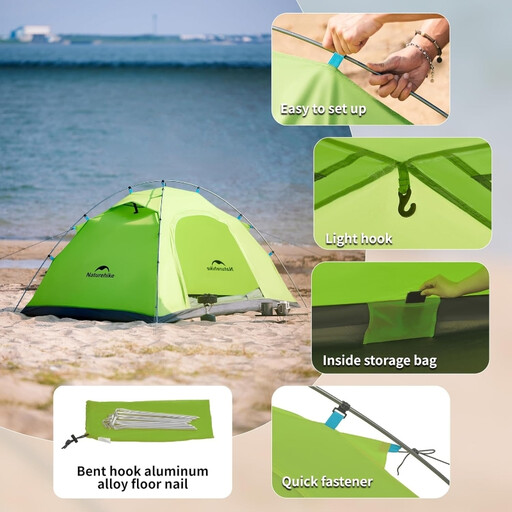
Why We Love It This is the Swiss Army knife of the lineup. Rated for 4 seasons, it provides excellent protection from the elements without weighing a ton for a two-person tent. Its freestanding structure is a real bonus: it's easy to set up on any type of terrain.
Tech Specs
Who It's For For adventurers who never put their pack away, no matter the season (excluding extreme conditions). Ideal for couples or solo explorers looking for space and reliability without breaking their back.
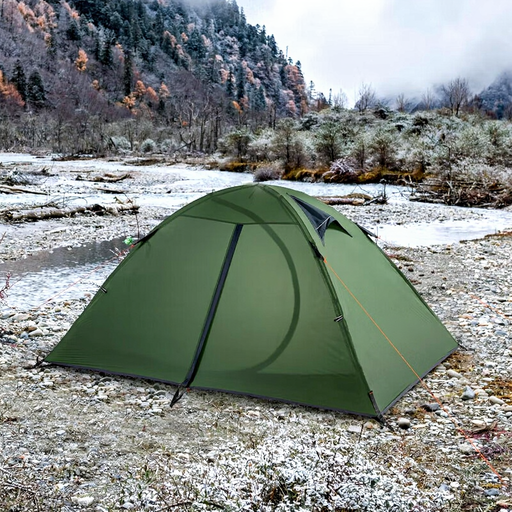
Why We Love It Here, the keywords are lightweight and compact. Designed for those who weigh their gear down to the last gram, it's perfect for nomadic adventures like bikepacking or fast hiking. Its streamlined design ensures a quick setup and takedown.
Tech Specs
Who It's For For bikepackers, solo trekkers, and minimalist hikers. The logical choice for anyone whose top priority is carrying performance, and who needs an efficient, low-profile shelter for bivouacking.
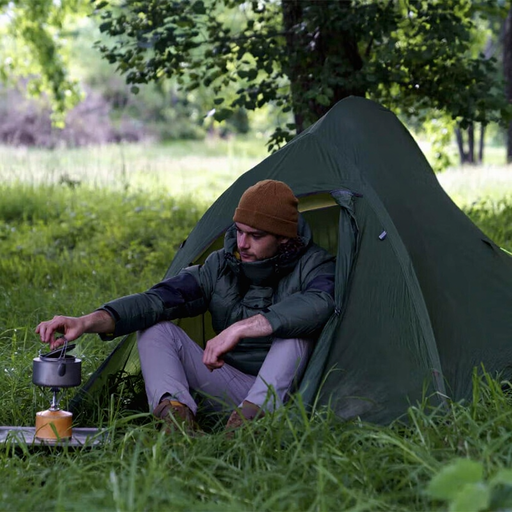
Why We Love It The NatureHike Cloud-Up tent series is a true icon in lightweight hiking. This solo version goes all-in on premium materials: 20D silnylon, 7001 aluminium poles... The result is a shelter that is both robust and feather-light. Its PU4000mm waterproof rating makes it a fortress against the rain.
Tech Specs
Who It's For For the discerning solo hiker seeking the best balance of performance, weight, and durability for long-distance treks. A smart investment for those who enjoy mountain hiking or 3-season mountaineering.
Our selection only covers a few of the brand's gems. The NatureHike range is much broader! If your ideal tent isn't here, or if you simply want to explore other models, take a look at our full catalogue.
Discover Our Full Range of Lightweight Hiking Tents
A 3-season tent prioritises light weight and ventilation, making it perfect for spring through autumn. A 4-season tent is a bunker: reinforced structure, less mesh, and a rainfly that extends low to the ground to block wind and snow. It's essential for winter or high-altitude mountain conditions.
The PU (or Schmerber) rating is simple: it measures a fabric's resistance to water pressure. It represents the height of a water column (in mm) that the fabric can withstand before moisture seeps through. A fabric is considered waterproof from 1500 mm upwards. With a rating of PU3000mm or PU4000mm, you're well-equipped to handle serious downpours with complete peace of mind.