
Livraison le jour même ou le lendemain

Qualité garantie

Débloquez vos offres de bienvenue: Livraison GRATUITE | Jusqu'à -80 % | 30 jours d'essai gratuits à JoyPlus
Téléchargez l'application
A natural solid soap for face and body can simplify your daily routine, reduce packaging, and suit several family members. But the word "natural", a pleasant fragrance, or the promise of soft skin isn't enough to guarantee the right choice.
Some mistakes are particularly common:
The INCI list shows ingredients in descending order of concentration. For a soap intended for the face, look for cleansing agents derived from vegetable oils, glycerine, or vegetable butters. A formula designed for body and hands won't necessarily offer the same comfort on the face.
A vegetable soap can be made from olive, coconut, palm, or other oils. The presence of a plant-based ingredient doesn't automatically mean the product is vegan. If this matters to you, also check for the absence of animal-derived ingredients and the information provided by the brand.
To choose an organic soap, look for a clearly displayed label on the packaging or product page. The mere presence of vegetable oils or botanical extracts isn't enough to establish certification.
A superfatted soap contains a proportion of fats that haven't been transformed during saponification, depending on the process used and the formulation. Shea butter, as well as sweet almond, jojoba, or hemp oils, are often associated with a more comfortable feeling after rinsing.
For dry or sensitive skin, choose a clear formula and avoid piling on exfoliating or heavily fragranced products. A rich formula doesn't rule out an individual reaction: test the product on a small area first and stop using it at the first sign of discomfort.
An exfoliating soap containing plant particles, rice powder, clay, or charcoal shouldn't be used as often on the face as on the body. The Pelican soap, for example, contains more exfoliating particles than its classic version and recommends use on the hips, thighs, and body.
To preserve a hydrating solid soap, rinse it after use and place it on a slotted soap dish away from the direct stream of water. This simple habit reduces wastage and helps a 80 g or 100 g bar last longer. Also remember to check the best-before date, batch number, and usage precautions.
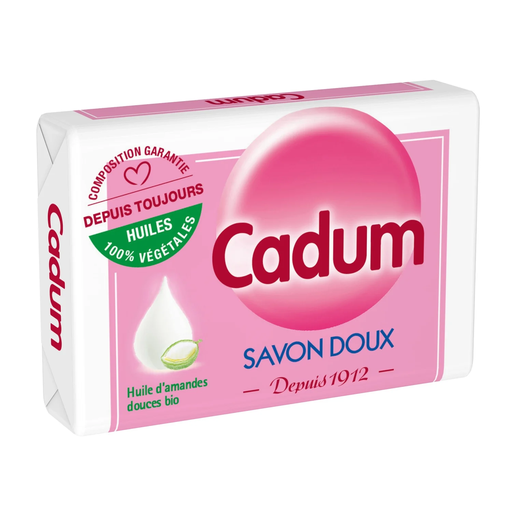
Why this choice suits this profile: Its 100 g size and formula based on vegetable oils make it a good first step into gentle soap for hands and body.
The product page mentions organic sweet almond oil and a formula made from 100% vegetable oils: concrete information, distinct from a vague promise of naturalness.
Sweet almond oil, glycerine, 100 g format, and use indicated for adults and children over 3 years old.
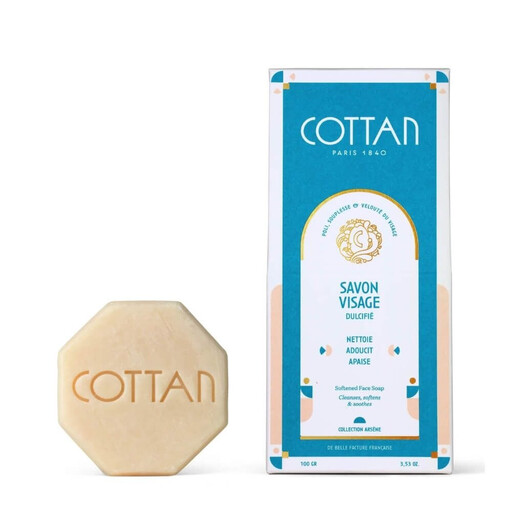
Why this choice suits this profile: This formula is explicitly intended for the face and contains jojoba and hemp oils as well as shea butter.
Facial use is clearly stated, and the formula doesn't rely on exfoliating particles that could irritate the skin.
Olive and coconut oil base, shea butter, wax and jojoba oil, with a lather described as creamy.
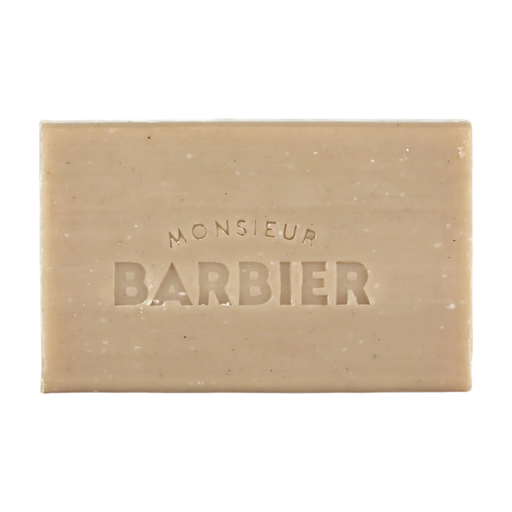
Why this choice suits this profile: This versatile soap can be used on the face, beard, and hair – a handy option for simplifying your routine.
The product page details an 8% superfat content, the composition, and intended uses, rather than relying on a vague promise of hydration.
Soap presented as vegan and organically certified according to the product page, with rhassoul clay, shea butter, and castor oil.
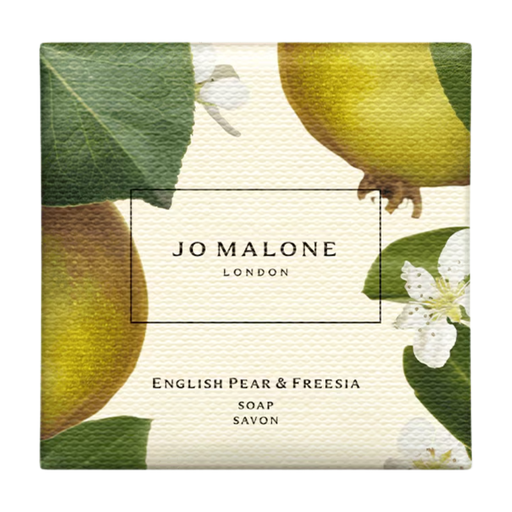
Why this choice suits this profile: Its iconic fragrance and elegant presentation will appeal to those who place great importance on the sensory experience.
The product page provides the composition, country of manufacture, and usage precautions: fragrance is a matter of taste, not proof of effectiveness for the skin.
Moringa oil, shea butter, glycerine, and English Pear & Freesia fragrance in a 100 g bar.
We've put together a comprehensive, real-time updated selection of products that meet these exacting criteria and European safety regulations.
Yes, provided the product page indicates both uses and your skin tolerates it. A facial soap is generally chosen for its gentler lather and formula enriched with oils or butters. For the body, scented or exfoliating versions can work, as long as you follow the usage recommendations.
It depends on how often you use it, the weight of the bar, and how well it dries. After each wash, rinse it, shake off the excess water, and place it on a slotted surface. Check the date and batch number printed on the packaging, especially if it's a French artisanal soap or a product containing plant-based ingredients that may vary slightly in colour or fragrance.
A superfatted soap can provide a feeling of comfort for dry skin, but it isn't necessarily right for everyone. Tolerance depends on the composition, fragrance, frequency of washing, and the area being washed. If your skin is sensitive, start with spaced-out uses, avoid the eye area, and stop immediately if irritation occurs.