
Same-day & Next-day Delivery

Quality Guaranteed

Unlock Your Welcome Offers: FREE Delivery | Up to 80% OFF | Free 30-day JoyPlus trial
Download the APP
Buying a natural mineral water multipack seems simple enough… until you start comparing volume, water type, mineral composition and packaging. Between still water, sparkling water, 50 cl bottles and a 1.5 L family pack, these differences have a direct impact on the price per litre, storage and everyday use.
Some marketing claims can also raise doubts. A water that is ‘rich in minerals’ isn’t necessarily suitable for every purpose, while a large bulk pack isn’t always more economical if bottles are left open or stored poorly.
A natural mineral water comes from a protected underground source and is distinguished by a stable mineral composition. It must be bottled at source, in line with European and French regulations for waters intended for human consumption. So it’s best to check the exact description on the label rather than relying solely on the geographical origin or brand design.
50 cl water bottles are easy to carry, but they increase the number of units you need to store and handle. 1 L or 1.5 L formats are better suited to the table, the family or the office. For a reception, however, a pack of small bottles can make serving easier and avoid passing around an already-opened bottle.
The levels of sodium, calcium, magnesium and bicarbonates can vary noticeably from one water to another. A low-sodium water may meet a specific need, while a highly mineralised water has a more pronounced taste profile. These characteristics are not medical advice: they primarily help you compare labels based on your preferences and habits.
For versatile everyday use, still water is generally the simplest to serve and store. Sparkling water or lightly carbonated water is more suited to meals and social occasions. Check whether the gas occurs naturally or is added, and note the storage instructions after opening.
A sparkling bottle must be properly resealed and placed in the fridge after opening. To keep the fizz at its best, it’s best to drink it quickly, following the instructions on the packaging.
Compare the total volume of the pack rather than just the number of bottles. Here are a few useful benchmarks:
The price per litre helps you spot the genuinely good-value packs. However, remember to factor in storage space, transport and recycling.
Check the analysis on the label, particularly the dry residue at 180 °C, as well as the calcium, magnesium and sodium levels. For reference, the Badoit Green label mentions 153 mg/L of calcium, 80 mg/L of magnesium and 180 mg/L of sodium. According to the information provided, La Salvetat shows 0.005 g/L of sodium.
These figures allow you to objectively compare a low-sodium water with a more mineralised one. They do not replace the advice of a healthcare professional if you are on a specific diet.
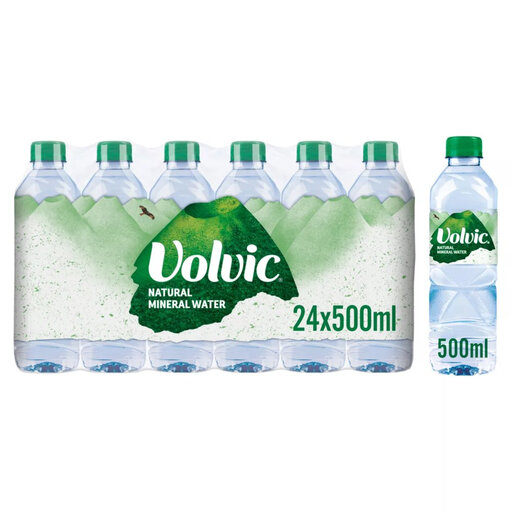
Why this choice suits this profile: With its 24 bottles of 50 cl, this format makes it easy to build up a supply for home, the office or on the go.
The total volume of 12 L is clearly stated, making it easy to compare with other water packs.
24 bottles of 500 ml, natural mineral water of French origin and bottles described as recyclable.
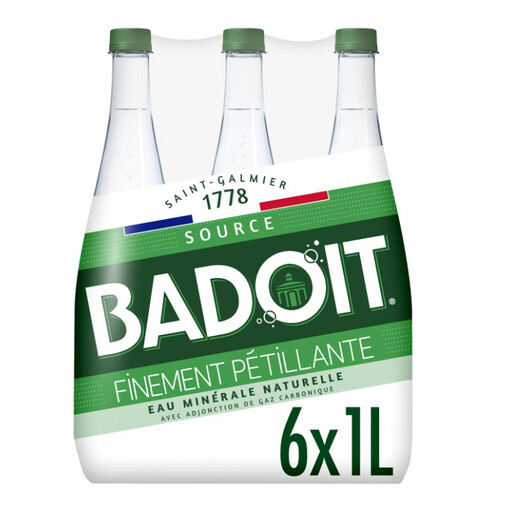
Why this choice suits this profile: Its 1 L format and sparkling water pair well with meals, offices and receptions where table service matters.
The label details the mineral composition and clearly distinguishes sparkling water from still water.
Pack of 6 × 1 L, fine bubbles and stated figures for calcium, magnesium, sodium and bicarbonates.
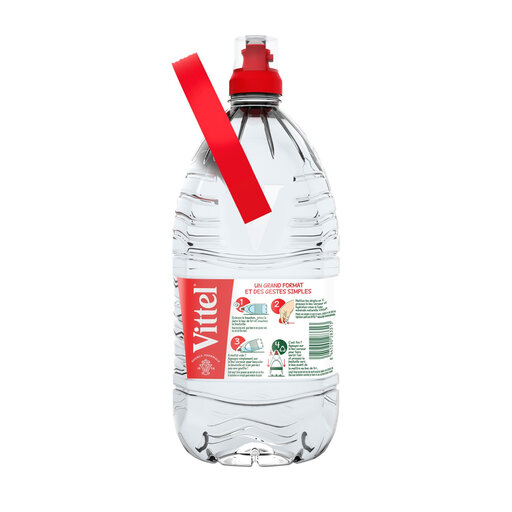
Why this choice suits this profile: This large container with a tap is ideal for households, workspaces and events that regularly use still water.
The 6 L volume is clearly stated and the tap avoids repeatedly opening small bottles.
6 L container with tap, plastic described as 100% recycled material and French origin stated.
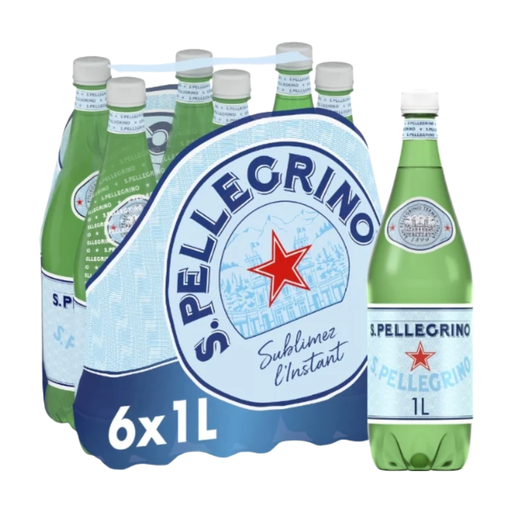
Why this choice suits this profile: This 1 L format pack is ideal for table service, family meals and events looking for a sparkling water in a bottle.
The label states the total volume of 6 L and details the main minerals, going beyond just the taste promise.
Sparkling natural mineral water, 6 bottles of 1 L and composition mentioning 164 mg/L of calcium and 49.5 mg/L of magnesium.
We have compiled a comprehensive, real-time updated list of products that meet these strict selection criteria and European safety regulations.
Store packs in a clean, dry, odour-free place away from direct light. Avoid heat, frost and areas exposed to strong-smelling products. Before drinking, check that the cap or can is intact.
After opening, place the water in the fridge if the label recommends it. An opened bottle of still water generally keeps for a few days, while sparkling water loses its fizz much faster. For large containers, clean the tap area regularly and follow the manufacturer’s instructions.
Food supplements, such as formulas based on magnesium, biotin or selenium, serve a different purpose and are not a substitute for water. Their consumption should follow the dose stated on the packaging, without exceeding the recommended daily allowance.
A pack of 1.5 L bottles reduces the number of units to handle and works well both in the fridge and on the table. For outings, the 50 cl format is more practical.
Follow the manufacturer’s instructions. In practice, an opened bottle should be resealed, kept cool and consumed quickly, especially if it is sparkling water.
A larger pack can lower the price per litre, but compare the total volume, number of bottles, delivery costs and storage space before finalising your purchase.