
Same-day & Next-day Delivery

Quality Guaranteed

Unlock Your Welcome Offers: FREE Delivery | Up to 80% OFF | Free 30-day JoyPlus trial
Download the APP
Buying a natural mineral water multipack seems straightforward, until you start comparing volumes, mineral content, bottle types and price per litre. Whether it is for a household, office, restaurant or event, the wrong choice can mean bottles that are difficult to transport, water that is too highly mineralised for the family’s usual preferences, or unnecessarily bulky storage.
Before ordering a water multipack, three common pitfalls are worth bearing in mind:
50 cl bottles of water are suitable for travelling, sports activities, meetings and individual catering. They are easy to hand out, but generate more packaging per litre.
1 L bottles of water are a natural choice for the table, a meeting room or mealtimes. 1.5 L bottles of water are better suited to home consumption and families: they reduce the number of units to store and open.
For an event or office, the 33 cl format can also be practical. The EVIAN Sparkling multipack, for example, contains 24 33 cl cans, making it ideal for individual servings.
The label usually states the dry residue at 180 °C, expressed in mg/L. This indicates the total quantity of minerals present in the water. Low-mineral water generally has a subtle taste and fits easily into everyday hydration.
Also check the levels of sodium, calcium, magnesium and bicarbonates. Low-sodium water may appeal to consumers who want to limit their intake through drinks. Conversely, some waters have a more pronounced mineral content, such as Badoit or Rozana. Rozana lists 160 mg of magnesium per litre, while Badoit Green contains 153 mg of calcium and 80 mg of magnesium per litre, according to the information provided for these products.
These figures help you compare different waters; they do not constitute personalised medical advice.
French mineral water may be supplied in a plastic bottle, large bottle or can. For travel and serving, recyclable aluminium can be an alternative to plastic, subject to following local recycling guidelines.
Store multipacks in a clean, dry, odour-free place away from light, and keep them away from frost and high temperatures. Once opened, reseal the bottle and follow the instructions on the label. Sparkling water gradually loses its fizz: it should generally be kept in the fridge and consumed promptly.
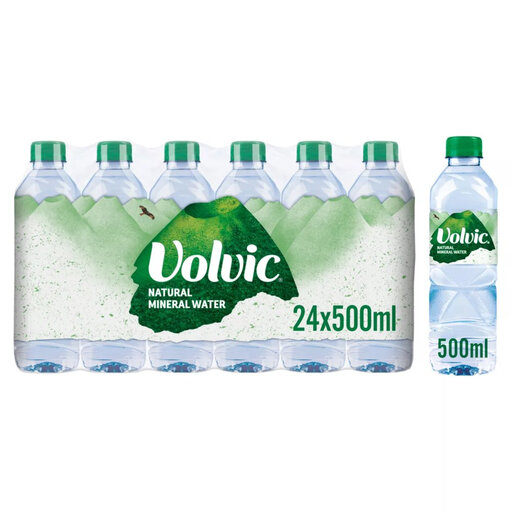
Why this choice suits this profile : The 50 cl format makes it easy to distribute bottles between home, the office and days out, without having to handle large containers.
The number of bottles and total volume are clearly stated, so you can compare the cost per litre before buying.
Pack of 24 50 cl bottles, French natural mineral water and bottles advertised as recyclable.
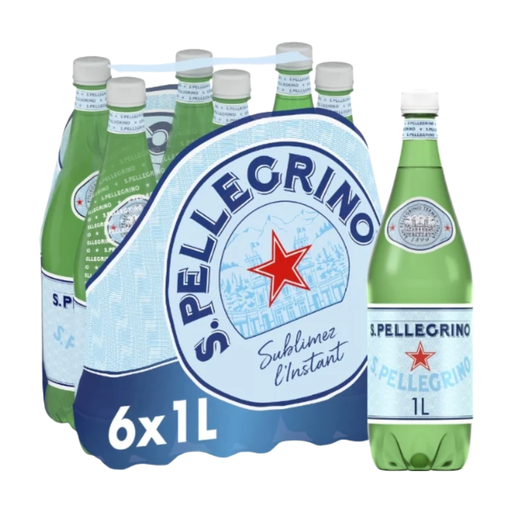
Why this choice suits this profile : The 1 L format and fine bubbles are perfect for serving at the table, with meals and on sociable occasions.
The volume of each bottle reduces the need to repeatedly open a large container and makes serving easier during a meal.
Six 1 L bottles of sparkling mineral water with added carbon dioxide and a detailed mineral composition listed on the product page.
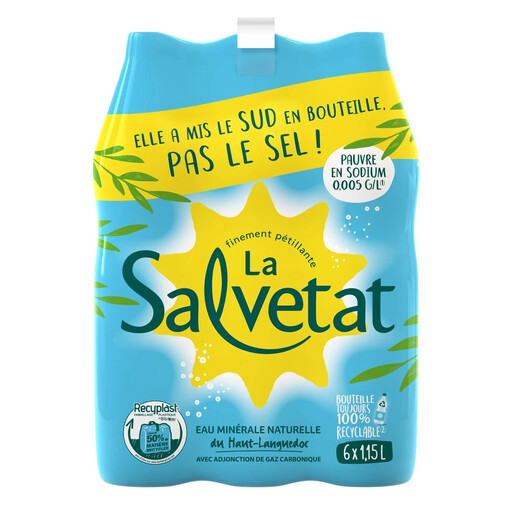
Why this choice suits this profile : Its 1.15 L format is suitable for the fridge, office or sharing at the table, with a sodium content advertised as low.
The stated sodium content of 0.005 g/L lets you verify a feature that is often highlighted without a precise figure.
Pack of 6 1.15 L bottles, French sparkling water and recommended chilled storage after opening.
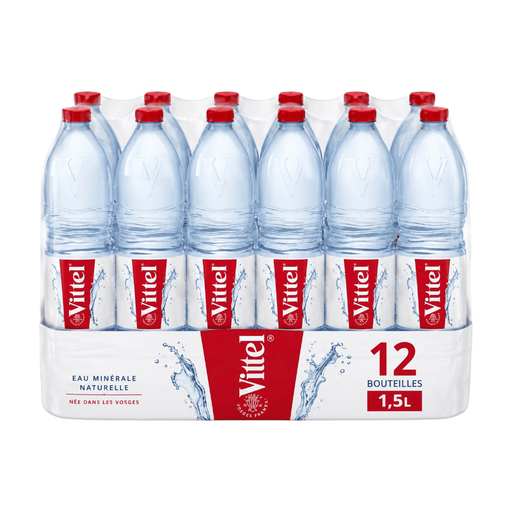
Why this choice suits this profile : The pack’s 18 litres meet the regular needs of a household or shared space, with fewer top-ups required.
The number of bottles and total volume are clearly stated, making it easier to compare with a pack of 6 or 24 units.
Twelve 1.5 L bottles, French origin stated, and a composition that includes calcium, magnesium and bicarbonates.
We have put together a complete, real-time updated list of products that fully meet these strict selection criteria and European safety regulations.
For a meal, sparkling mineral water in a 1 L bottle fits easily into table service. Badoit, San Pellegrino and Rozana offer different compositions and levels of carbonation: check the label rather than relying solely on the brand name.
For a family, still mineral water in 1.5 L bottles reduces the number of times bottles need to be opened and is suitable for everyday storage. For a business, restaurant or event organiser, 33 cl or 50 cl formats make distribution and quantity control easier.
Always follow the manufacturer’s instructions first. For still water, refrigeration and consumption within the following few days are generally recommended. Sparkling water should be resealed and kept chilled to help limit the loss of carbon dioxide.
Not necessarily. They can be convenient, but always compare the price per litre, total volume and amount of packaging. A pack of 1.5 L water bottles may have a different unit cost and prove better value for consumption at home.
Both formats can form part of your water intake, depending on individual preferences and habits. Still water is versatile for filling a reusable bottle and cooking, while sparkling water is better suited to meals or for people who enjoy bubbles. Check the composition if you are looking for low-sodium water or water rich in calcium and magnesium.