
Same-day & Next-day Delivery

Quality Guaranteed

Unlock Your Welcome Offers: FREE Delivery | Up to 80% OFF | Free 30-day JoyPlus trial
Download the APP
Buying natural mineral water seems straightforward – until you start comparing formats, mineral composition and bottle types. Between still natural mineral water, sparkling natural mineral water, spring water and fizzy water, the differences have a direct impact on taste, storage and price per litre.
Some marketing claims can also cause confusion. A prestigious origin doesn’t guarantee the format will suit your needs. Likewise, a phrase like ‘rich in minerals’ deserves to be checked against the detailed composition on the label. And an attractive purchase price can lose its appeal if the bottles are too small for your daily consumption.
Here are the criteria to consider before ordering water packs for home, the office, on-the-go use or a catering establishment.
Natural mineral water comes from a protected underground source and has a stable mineral composition, which must be stated on the label. Spring water is also from an underground source, but its mineral characteristics can vary and its composition isn’t necessarily constant in the same way.
Both categories are perfectly suitable for everyday drinking. The choice mainly comes down to taste, mineral content, price and household habits.
33 cl or 50 cl bottles are easy to carry, but they create more packaging per litre. 1.5 litre bottles are better suited to meals and family storage. 6 or 8 litre bottles with a tap make serving easier at the office or during an event – provided you have a stable spot to place them.
Claims like ‘light’, ‘balanced’ or ‘low in sodium’ don’t mean you can skip reading the label. To compare two waters, look at the sodium, calcium, magnesium and bicarbonate levels, as well as the dry residue. These figures describe the product’s composition; they are not medical advice.
For water intended for daily consumption, start by checking its sodium content and overall mineralisation level. La Salvetat, for example, shows a sodium content of 0.005 g/L in the information provided. Vittel indicates 240 mg/L of calcium, 40 to 42 mg/L of magnesium and around 5.2 to 11 mg/L of sodium, depending on the variant.
These values allow you to compare different bottles objectively. If you’re looking for a low-sodium water, always refer to the label of the exact product – figures can vary depending on the source and packaging.
Still natural mineral water is generally suitable for meals, preparing drinks and everyday hydration. Sparkling natural mineral water, like fizzy water, contains carbon dioxide; it’s often chosen to accompany dishes or to serve at the table.
To keep the bubbles, store bottles away from sunlight and frost. After opening, seal them carefully and place them in the fridge, following the instructions on the packaging. A 50 cl sparkling bottle is handy for lunch on the go, while a one-litre or larger format is better for serving at the table.
Calculate the price per litre rather than the pack price. A pack of 24 x 50 cl bottles gives you 12 litres, while a pack of 6 x 1.5 litre bottles totals 9 litres. Larger formats reduce the number of bottles to handle, but they’re less convenient to carry.
Also check local recycling guidelines, the condition of the cap and storage conditions. The products shown below indicate, depending on the reference, recyclable bottles or those containing recycled material – check the packaging for the most up-to-date information.
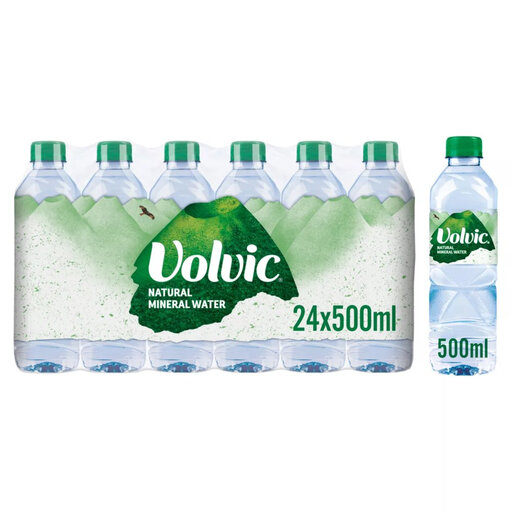
Why this choice suits this profile: The pack of 24 x 50 cl bottles provides 12 litres in a format that’s easy to split between home, your bag and the office.
The total volume and number of bottles are clearly stated, making it easy to calculate the price per litre and assess your weekly needs.
French mineral water, 500 ml bottles and packaging listed as recyclable according to the product sheet.
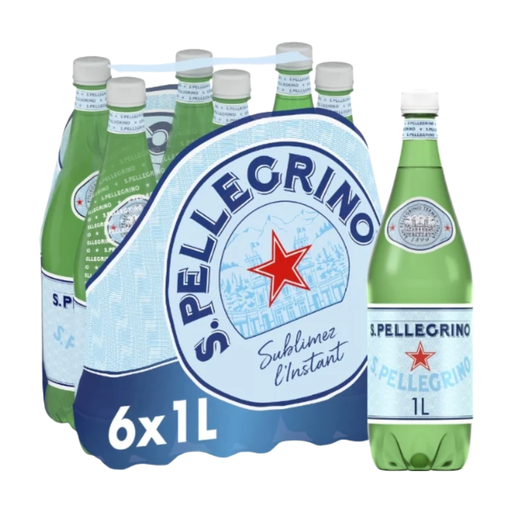
Why this choice suits this profile: The one-litre bottles and fine bubbles are particularly well suited to serving at the table and for special meals.
The 6 x 1 litre pack avoids having to use lots of small bottles during a family meal or group service.
Italian mineral water, with 164 mg/L of calcium and 49.5 mg/L of magnesium stated on the product sheet.
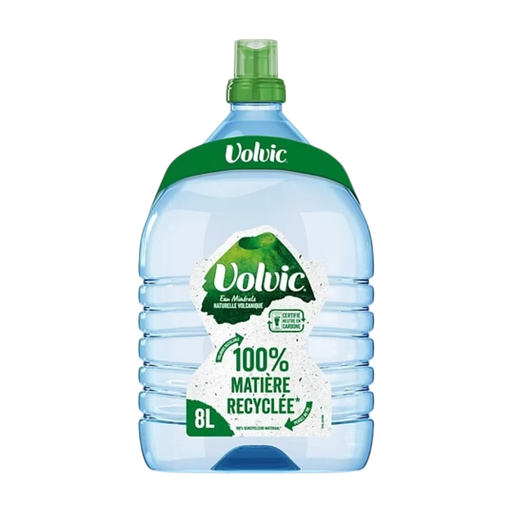
Why this choice suits this profile: The 8-litre bottle with a tap makes serving easy in a shared space, at the office or during a reception.
The tap avoids constantly handling small bottles, while storage conditions after opening are clearly stated.
8-litre format, integrated tap and French origin stated on the product sheet.
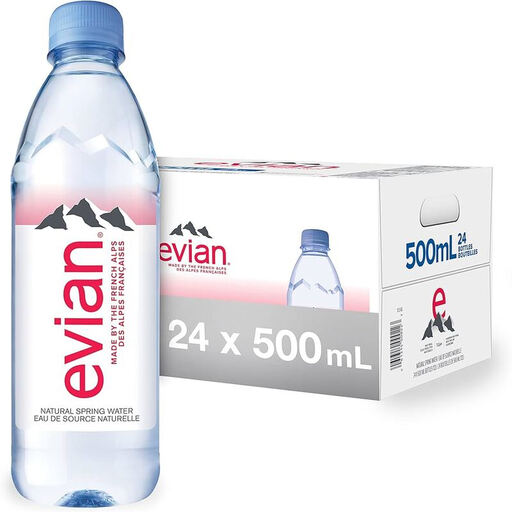
Why this choice suits this profile: The 24 x 50 cl bottles fit easily into a bag, fridge or office supply cupboard.
The packaging lets you know exactly how many portions you have, without having to carry a large, awkward container.
24 x 500 ml bottles and composition showing 80 mg/L of calcium and 26 mg/L of magnesium.
We’ve put together a comprehensive, real-time updated selection of products that meet these exacting criteria and comply with European safety regulations.
Still mineral water contains no added or naturally present gas in a noticeable amount. Fizzy or sparkling water contains carbon dioxide, which gives it its bubbles. The choice mainly comes down to taste and context: still water is suitable for regular consumption, while sparkling water often accompanies meals.
Follow the manufacturer’s recommendations. Many guides suggest placing an open bottle in the fridge and consuming it within two to three days. For sparkling water, it’s generally best to drink it sooner to preserve the bubbles. Always keep the bottle sealed, away from odours and heat.
For on-the-go use, packs of 24 x 50 cl are easy to distribute. For a family, 1.5 litre bottles reduce the number of openings. At the office or in catering, a 6 or 8 litre bottle with a tap can simplify serving, provided you have a stable surface and a well-ventilated space.