
Livraison le jour même ou le lendemain

Qualité garantie

Débloquez vos offres de bienvenue: Livraison GRATUITE | Jusqu'à -80 % | 30 jours d'essai gratuits à JoyPlus
Téléchargez l'application
Buying natural mineral water seems straightforward… until you start comparing brands, sizes and the claims on the labels. Between still water, spring water, flavoured water and family packs, the differences come down to both composition and everyday practicality.
To avoid filling your basket with the wrong packaging, it's worth checking three things: the actual category of water, the size you need and the quality of the packaging.
Natural mineral water comes from a protected underground source and has a stable, characteristic mineral composition. Spring water is also from an underground source, but it falls under a different regulatory category and its mineral composition can vary.
So the word "spring" doesn't automatically mean it's mineral water. To compare products, check the label, the legal description and, where provided, the mineral content table.
A pack of 24 bottles of 50 cl fits easily into a car, an office or a personal store cupboard. On the flip side, it means more individual bottles to store compared with a pack of 1.5 L.
Conversely, a large 6 L or 8 L container is better suited to sedentary use. It's less convenient to move around and needs a stable spot, especially if it has a tap.
A bottle labelled as 100% recyclable is designed to go into the recycling stream. That doesn't mean it contains 100% recycled plastic. So look at the exact wording: "recycled material", "recyclable bottle" and "recycled PET" don't mean the same thing.
In any case, sort your packaging according to local guidelines and avoid leaving bottles exposed to heat or sunlight.
The level of mineral content affects the taste and can guide your choice. A water described as rich in minerals typically contains more calcium, magnesium, sulphates or bicarbonates. A low-mineral water often feels lighter on the palate.
Vittel, for example, shows on some product sheets a characteristic composition of 240 mg/L of calcium, 42 mg/L of magnesium and 5.2 mg/L of sodium. These figures describe the product and are not a medical recommendation.
Also compare the total volume of the pack. A pack of 24 × 50 cl gives you 12 L, while a pack of 12 × 1.5 L gives you 18 L.
For a bottle to take with you, a sports cap can be handy during a walk, a workout or a journey. At home, a handle or a tap is often more convenient than a standard cap.
Before opening, store bottles in a cool, dry, clean place away from strong odours. After opening, put them in the fridge if the label recommends it and stick to the consumption time stated on the packaging.
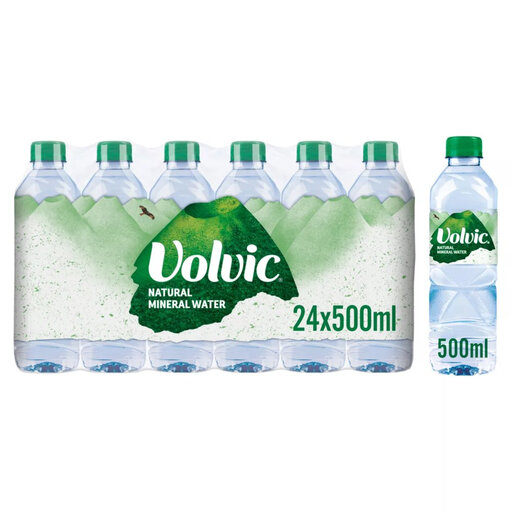
Why this suits this profile: With 24 bottles of 50 cl, giving you 12 L in total, this pack is easy to split between home, the office and on-the-go use.
The volume of each bottle is clearly stated. That helps you avoid, on a first purchase, ending up with a large container that's not very practical.
Still water, 500 ml bottles, pack of 24 and bottles described as 100% recyclable.
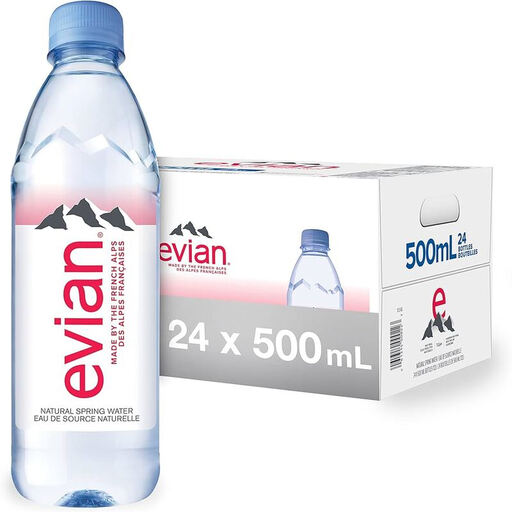
Why this suits this profile: Its pack of 24 bottles of 500 ml is aimed at those looking for a well-known French brand and a neat individual format.
The size and quantity are shown before you buy. That means you can compare the price per litre, rather than just looking at the pack price.
Still mineral water, 24 bottles of 50 cl and a composition that includes calcium and magnesium, according to the product sheet.
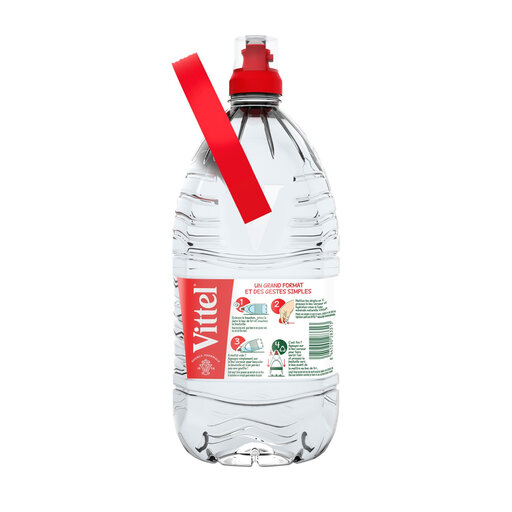
Why this suits this profile: Its 6 L container with a pouring spout is designed for regular use at home or in a professional setting.
The tap cuts down on repeated handling and the clearly stated total volume makes organising your storage easier.
6 L container, handy pouring spout and bottle described as made from 100% recycled plastic.
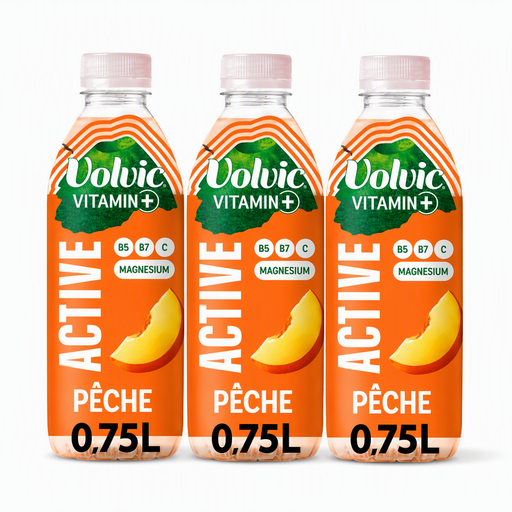
Why this suits this profile: The 75 cl format is easy to carry and this drink offers a hint of peach with no added sugar, according to the product sheet.
"No added sugar" doesn't mean "natural mineral water". The ingredients list lets you spot the flavourings, sweeteners, vitamins and magnesium.
75 cl bottles, pack of 3, ready-to-drink beverage and energy value stated as 1 kcal per 100 ml, according to the product sheet.
We've put together a comprehensive, real-time selection of products that meet these strict criteria and comply with European safety regulations.
When buying mineral water online, don't just look at the price shown for the pack. Work out the price per litre and check:
A pack of small bottles can be handy for a family or an office, while the 1.5 L format will often make more sense at the dinner table. If you regularly carry your water, the type of cap and the weight of the pack matter just as much as the composition.
Natural mineral water comes from a protected underground source and has a characteristic mineral composition. Spring water is also from underground, but it falls into a different category. The label and legal description will help you tell them apart.
Start by following the manufacturer's recommendations. Several product sheets advise keeping the open bottle in the fridge and drinking it within three days. A bottle that's been exposed to heat, sunlight or strong odours should be thrown away if its taste or appearance changes.
The 50 cl format is ideal for individual use and on the go. 75 cl offers a good compromise for active people and sports enthusiasts. At home, a pack of 1.5 L bottles or a 6 to 8 L container cuts down on the number of refills, provided you have enough space to store it.