
Livraison le jour même ou le lendemain

Qualité garantie

Débloquez vos offres de bienvenue: Livraison GRATUITE | Jusqu'à -80 % | 30 jours d'essai gratuits à JoyPlus
Téléchargez l'application
As pet parents, we all want the best for our dogs. But when faced with the treat aisle, making a choice can often be a headache. Packages compete with tempting promises: "100% natural," "healthy," "gourmet"... However, these slogans can hide disappointing ingredients. Learning to decipher labels is the key to making the right choice. This guide will help you spot the traps and select the healthy dog treat that will truly delight them, without compromising on quality.
Navigating the aisles is a real challenge. Many products use marketing claims to mask a subpar composition. Here are the most common traps to avoid.
A package boasting a "beef flavour" doesn't guarantee a good dose of meat. More often than not, it refers to artificial flavours added to a base of cereals or questionable-quality animal by-products. The term "natural," which is loosely regulated, can even be used for products containing added sugars or unnecessary fillers.
Pro tip: Ignore the slogans on the front and turn the package over: the real information is in the ingredient list.
An ingredient list that starts with "Cereals" or "Derivatives of vegetable origin" is often a sign of a nutritionally poor product. Also, be wary of the vague mention of "meat and animal derivatives." Without specifics on the type of meat (chicken, beef, lamb) and its origin, it's impossible to assess the true quality of the protein.
Pro tip: Favour short, clear lists where the first ingredient is an identifiable meat source, like "fresh chicken" or "dehydrated beef."
Some treats boast health benefits, like cleaning teeth. While chewing helps, their effectiveness depends primarily on the composition. A cereal-based chew stick will have a limited impact, and can even be counterproductive if it's packed with sugar.
Pro tip: Think of a treat as a dog reward or an occasional indulgence. For specific needs (dental health, joints), discuss them with your veterinarian, who can recommend suitable solutions.
To choose with confidence, focus on two key points: the composition and how you plan to use the treat.
A healthy dog treat should, above all, be rich in animal protein. It's their essential fuel.
Not all treats are created equal for every situation.
Grain-free dog treats are very popular. They are often more digestible for sensitive dogs. However, the absence of grains doesn't guarantee quality. A grain-free treat filled with potato starch is not a good choice. The most important thing is the overall quality of the ingredients and a high meat content.
To help you see more clearly, we've identified a few products that meet specific needs, based on criteria of transparency and ingredient quality.
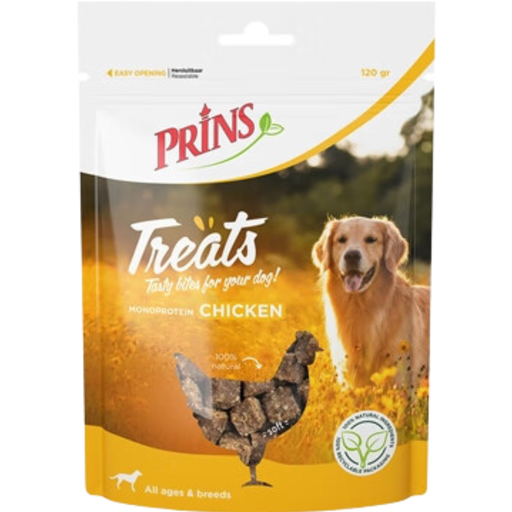
Why it's a great choice: Perfect for training sessions. These treats are easy to break, allowing you to give multiple rewards without adding too many calories to their daily intake.
This product avoids the trap of vague ingredient lists with a single, clearly identified protein source: 50% chicken. The composition is simple and transparent.
A crude protein level of 32%. Suitable for dogs of all ages, these treats are ideal for sensitive stomachs thanks to their single-protein formula.
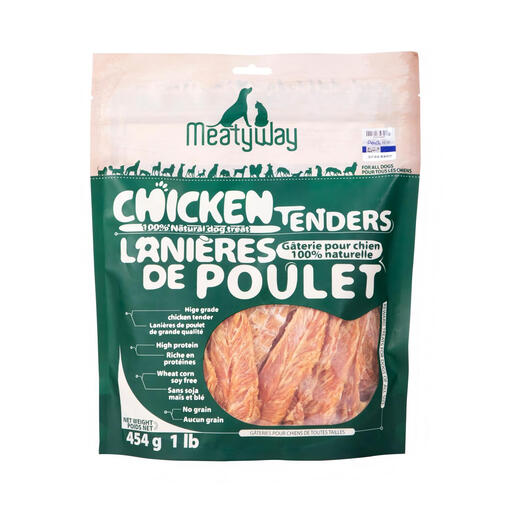
Why it's a great choice: For owners who demand total transparency and a minimalist composition. A chicken dog treat with no frills: just meat, and that's it.
This is the antithesis of the hidden-ingredient trap. The list couldn't be simpler: just chicken. Zero grains, zero additives, zero fillers.
Its tender texture is easy to chew and digest. With a minimum of 30% crude protein, it's an excellent option among protein-rich treats.
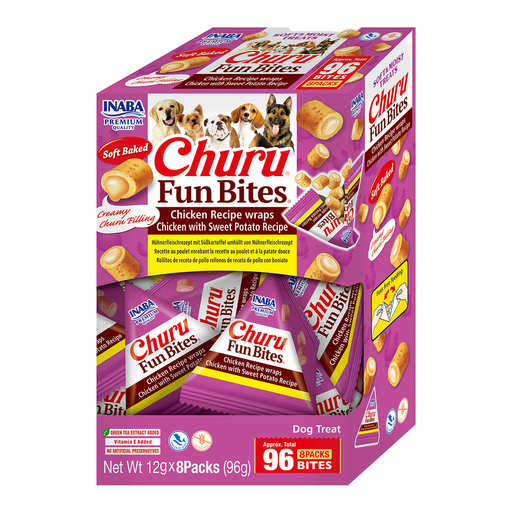
Why it's a great choice: The ultimate gourmet option for an indulgent reward. Its soft, highly palatable texture, combining chicken and sweet potato, is as delicious as it is digestible.
Unlike dry, cereal-based treats, this product relies on simple, identifiable ingredients (chicken, chicken broth, sweet potato). Its high moisture content (82%) is a real bonus for hydration.
A soft, chewy texture that dogs love. Its grain-free, high-moisture formula makes it very digestible and particularly appealing for dogs that tend not to drink much water.
Explore our full selection of treats that meet our strictest quality and safety standards.
The 10% rule is a great guideline: treats should not make up more than 10% of your dog's daily caloric intake. Of course, this amount should be adjusted based on their size, age, and activity level. If you use a lot of dog training treats for training, consider slightly reducing their kibble portion to prevent weight gain.
For a dog with allergies or sensitivity to grains, yes, they are an excellent option. For others, it's not a requirement. The most important factor remains the overall quality and transparency of the composition. A treat with high-quality rice is better than a "grain-free" recipe packed with additives and low-quality by-products.
For dried or freeze-dried treats, store them in a cool, dry place away from light. Be sure to reseal the bag tightly after each use to maintain freshness. As for moist or semi-moist treats, once the package is opened, they should go in the fridge! Consume them quickly thereafter. In any case, the best practice is to follow the storage instructions on the packaging.