
Livraison le jour même ou le lendemain

Qualité garantie

Débloquez vos offres de bienvenue: Livraison GRATUITE | Jusqu'à -80 % | 30 jours d'essai gratuits à JoyPlus
Téléchargez l'application
For any dog owner, a treat is much more than a simple snack: it's a gesture of affection, a reward, and a valuable training tool. The problem? Store shelves are overflowing with products in eye-catching packaging that too often hides questionable ingredients. Deciphering labels and navigating the maze of marketing jargon versus actual ingredients is a real headache. This guide is here to give you clear benchmarks and help you choose natural dog treats that are genuinely healthy and perfectly suited for your four-legged companion.
Before you fill your cart, it's best to know the common traps that even the most attentive owners can fall into.
To sort through the options and make an informed choice, focus on a few indicators that never lie.
The golden rule is deceptively simple: the fewer ingredients, the better. A good natural treat highlights its protein source.
Often overlooked, the analytical constituents table is a goldmine of information for evaluating a product's quality.
Not all treats serve the same purpose.
Here are a few products that check all the boxes for specific needs.
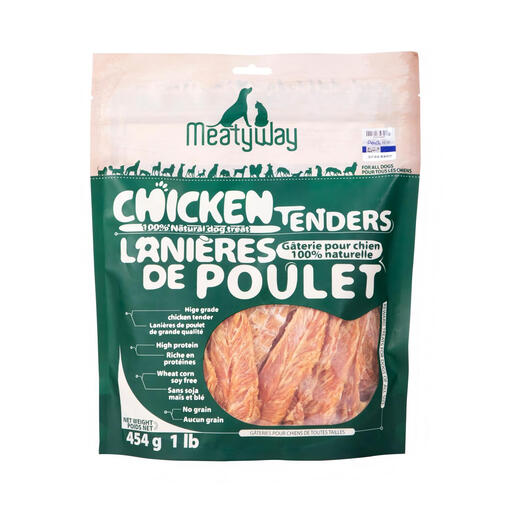
Why we chose it: Perfect for owners who scrutinise every ingredient. Its minimalist recipe is a benefit for fragile stomachs or for implementing an elimination diet, as it relies on only one animal protein.
The ingredient list is crystal clear: 100% chicken. No room for fillers, by-products, or hidden additives.
A 100% chicken fillet composition, with no grains or preservatives. Its dried texture encourages chewing, a bonus for teeth.
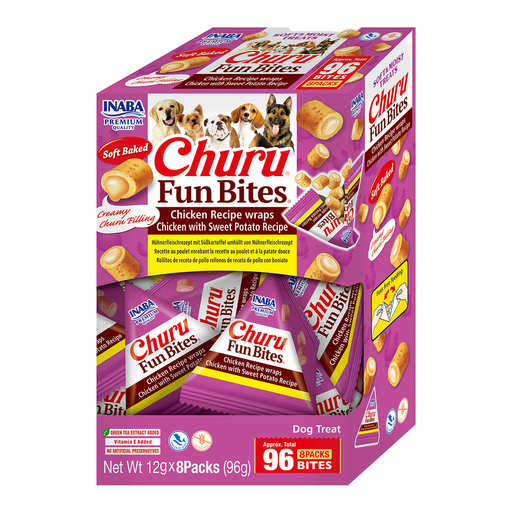
Why we chose it: The ideal partner for training sessions. Its soft texture is swallowed in a flash, without interrupting the flow of the exercise. Its format is perfect for frequent rewards without excess calories.
With only 2.2% fat, it avoids the trap of superfluous calories. The composition, based on chicken and sweet potato, is simple, healthy, and transparent.
Its melt-in-your-mouth texture and very high moisture content (82%) make it a hydrating and ultra-digestible reward.

Why we chose it: To break from the chicken routine, this duck treat is perfect. It's a protein that dogs often love, ideal for rotating flavours and preventing palate fatigue.
The recipe sticks to a simple and healthy base: duck and sweet potato. It avoids the grains, additives, and artificial flavours often hidden behind a "gourmet" label.
An alternative protein (duck) in a grain-free recipe. Its chewy texture is a plus for dental hygiene.
Discover our complete selection of products that meet our quality criteria and the strictest safety standards.
The golden rule is the 10% rule: treats should never exceed 10% of your dog's daily caloric intake. Of course, this amount should be adjusted based on its size, age, activity level, and the recommendations on the packaging. When in doubt, consider slightly reducing its kibble portion to compensate for the extra calories.
Yes, most of the time. They are obviously essential for dogs with a known sensitivity or allergy to grains. But they are actually suitable for the majority of dogs, as they are often more digestible and formulated with higher-quality ingredients (meat, vegetables). They pose no risk to a dog that otherwise tolerates grains perfectly well.
To preserve their freshness and prevent mould, store them in a cool, dry place away from light. A kitchen cupboard is ideal. Once the package is opened, reseal it carefully or, even better, transfer the treats to an airtight container. Be aware that very moist treats should be refrigerated and consumed quickly after opening, as specified on the packaging.