
Livraison le jour même ou le lendemain

Qualité garantie

Débloquez vos offres de bienvenue: Livraison GRATUITE | Jusqu'à -80 % | 30 jours d'essai gratuits à JoyPlus
Téléchargez l'application
For any dog owner, offering a treat is a simple and rewarding gesture of affection. But when faced with shelves overloaded with marketing promises, choosing a truly healthy option can quickly become a headache. Between the colourful packaging and vague claims, it's easy to make a mistake.
As the Product Recommendation Manager at Joybuy, my mission is to help you see things more clearly. Together, let's break down the pitfalls to avoid and the essential criteria for choosing natural dog treats that are as delicious as they are good for your dog's health.
The pet food market is saturated with marketing terms that can be confusing. Here are the two most common traps:
To make an informed choice, you can't just rely on the front of the package. The real secret is learning to decode the ingredient list.
Regulations require that ingredients be listed in descending order by weight. Therefore, the first ingredient is the one present in the largest quantity. Opt for high-protein dog treats whose list begins with a clearly identified meat source: "fresh chicken", "dehydrated beef", or "lamb". Be wary of generic formulations.
It's crucial to distinguish between these foods to avoid unbalancing your pet's diet:
Every dog and every owner has different needs. Here are a few recommended options, categorised by use case, to help you find the ideal product.

Why it's a great choice: Perfect for owners who demand complete transparency. The recipe is simple, based on quality duck meat and purple sweet potato, with no additives, grains, or artificial preservatives. It's a healthy, no-frills treat.
This product avoids the vague "natural" trap with an ultra-short and clear ingredient list. The protein source is clearly identified (duck), which guarantees its quality.
Rich in duck protein and low in fat. The chewy texture promotes good oral hygiene by helping to reduce tartar buildup.
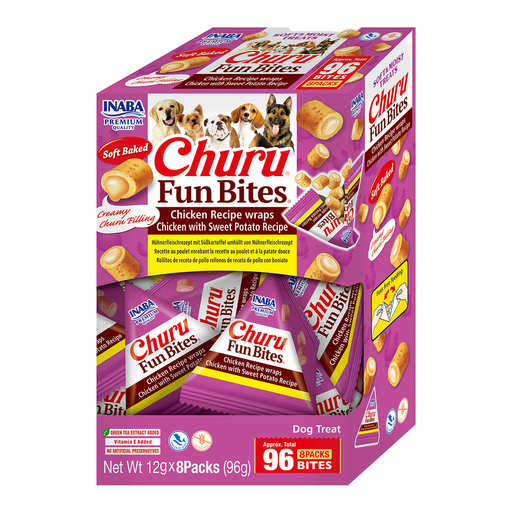
Why it's a great choice: Its soft texture and small size make it a perfect training treat. Easy to chew and swallow, it won't break the training flow. Its high moisture content is a real bonus for hydration.
Unlike dry biscuits that are often packed with grains, this treat is made with chicken and broth, offering a tasty and hydrating reward without unnecessary fillers.
Tender texture and easy to portion. Its palatability makes it a high-value reward to motivate your dog when learning new tricks.
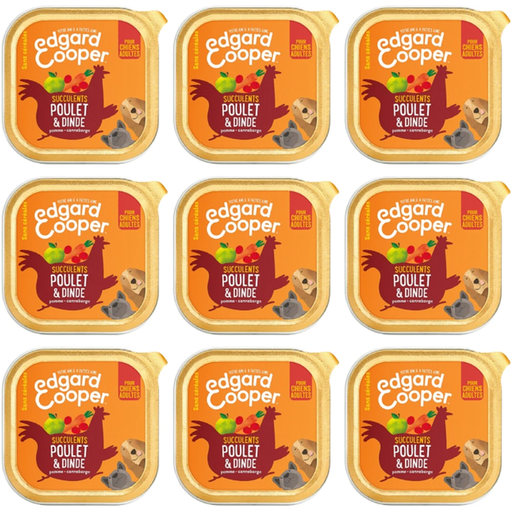
Why it's a great choice: This is the ultimate versatile option. As a complete wet food, it can be a standalone meal. It can also be mixed with kibble or used as a tasty spread on a lick mat.
This product is an excellent example of a well-designed "grain-free" formula. The recipe incorporates fruits and vegetables (carrots, cranberries, pumpkin) for fibre and nutrients, rather than starchy substitutes.
A complete and balanced recipe with 56% fresh chicken and turkey. The gentle cooking process preserves nutrients and flavours, offering a highly digestible option.
We have selected a full range of products for you that meet these quality criteria and current regulations.
The rule of thumb is that treats should not make up more than 10% of your dog's daily calorie intake. This amount varies depending on their size, age, and activity level. If you give treats, remember to slightly reduce their main meal portion to maintain their ideal weight.
Not necessarily. For dogs with grain allergies or sensitivities, they are an excellent alternative. However, for a healthy dog, a quality recipe containing whole grains (like oats or brown rice) can be perfectly healthy. What matters most is the overall quality of the ingredients, far more than the mere absence of grains.
A good trick is the "thumbnail test." If you can't make a small indent on the treat by pressing it with your thumbnail, it's likely too hard, especially for puppies, senior dogs, or those with fragile teeth. Treats that are too hard can pose a risk of dental fractures. Opt for textures that retain some flexibility.