
Livraison le jour même ou le lendemain

Qualité garantie

Débloquez vos offres de bienvenue: Livraison GRATUITE | Jusqu'à -80 % | 30 jours d'essai gratuits à JoyPlus
Téléchargez l'application
With the overwhelming number of dog treats on the market, it can be hard to know where to start. As a health-conscious owner, you want the very best for your companion?: wholesome products with transparent ingredients that are perfectly suited to their needs. This guide is here to help you navigate your options. We've selected the best natural dog treats and will give you the keys to making the right choice, whether you need a simple reward, a training tool, or a special treat for a sensitive pet.
Before diving into our selection, let's review the three essential criteria for evaluating the quality of a treat and ensuring you make the right choice.
A short, understandable ingredient list is often an excellent indicator of quality. Prioritise products where the protein source (meat or fish) is clearly identified and appears first on the list. Chicken treats for dogs, for example, should list "?chicken?" as the first ingredient. Be wary of vague terms like "?animal by-products?" and endless lists that hide artificial colours, flavours, or chemical preservatives. For sensitive dogs, grain-free treats can be an option worth considering.
How you plan to use the treat directly influences your choice?:
If your dog has known allergies or intolerances, caution is key. Hypoallergenic dog treats are often formulated with a single protein source and without common allergens like wheat, soy, or dairy. Here again, reading the ingredient list is essential to avoid any unpleasant surprises.
We have selected several products that stand out for their quality ingredients and their ability to meet specific needs.
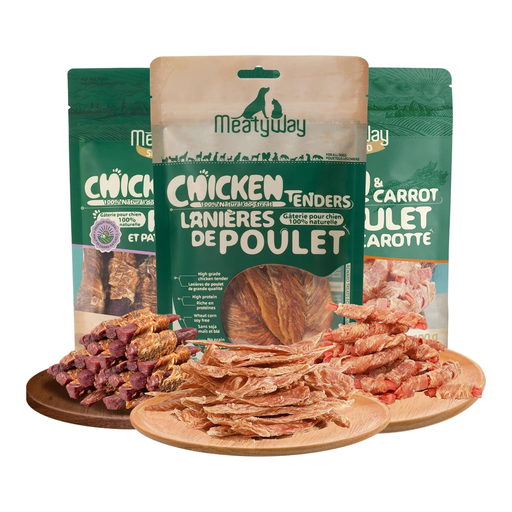
Why we love it These treats combine a quality protein source with the benefits of vegetables. The recipe is simple?: chicken wrapped around purple sweet potato and carrot, for a perfect balance of flavour and nutritional value.
Key features
Who is it for? Ideal for owners looking for a treat that is both healthy and delicious. Their soft texture makes them suitable for most dogs, even those who have difficulty chewing.
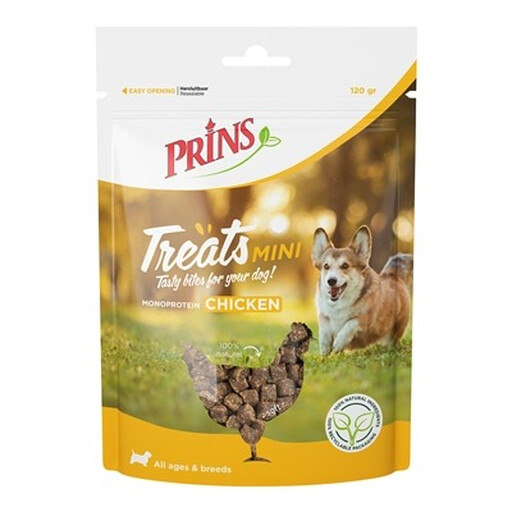
Why we love it The strength of these treats lies in their simplicity. Formulated with a single animal protein source (chicken), they limit the risk of allergic reactions and are a top choice for sensitive dogs.
Key features
Who is it for? Especially suitable for owners of small dogs or pets on a strict diet. Their format makes them an excellent positive reinforcement tool during training sessions.
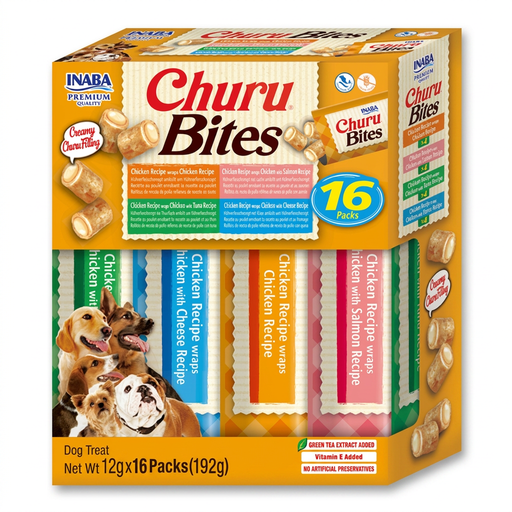
Why we love it INABA Bites offer a unique experience thanks to their dual texture?: a soft baked outside and a creamy filling. Their high moisture content is also a bonus for your pet's daily hydration.
Key features
Who is it for? An excellent option for picky dogs, those who tend not to drink enough water, or for owners who enjoy creating a bonding moment by feeding treats by hand.
Chewable treats are great, but other formats are also available. To keep your dog occupied for longer periods or to help them relax, lickable treats are an increasingly popular solution. They come in the form of pastes or purées that can be spread on a lick mat for long-lasting, delicious enjoyment.
To explore this option, discover our complete selection of lickable dog treats.
The difference lies primarily in the ingredients. A so-called "?natural?" treat is made from minimally processed ingredients and, most importantly, without artificial colours, flavours, or preservatives. Its ingredient list is usually short and easy to understand, unlike conventional commercial treats which may contain fillers, vague animal by-products, and numerous chemical additives.
The golden rule is simple?: treats should not make up more than 10?% of your dog's daily calorie intake. Of course, the exact amount depends on their size, age, activity level, and the calories in the treat itself. The easiest approach is to follow the recommendations on the packaging and always provide a bowl of fresh water.
Not necessarily. Grain-free treats are primarily intended for dogs with a confirmed sensitivity or allergy to grains (like wheat, corn, etc.). For the majority of dogs, grains in reasonable quantities are well-digested and pose no problem. If you suspect a possible intolerance, the best course of action is to consult your veterinarian. Only they can help you establish a suitable diet.