
Livraison le jour même ou le lendemain

Qualité garantie

Débloquez vos offres de bienvenue: Livraison GRATUITE | Jusqu'à -80 % | 30 jours d'essai gratuits à JoyPlus
Téléchargez l'application
For any dog owner, giving a treat is a gesture of affection, a reward, or simply a shared moment of joy. But the shelves are overflowing with products in promising packaging that often hides a much less healthy reality. Deciphering labels to separate marketing from the actual ingredients can feel like an uphill battle. The goal: to find a natural dog treat that is both delicious and healthy, while avoiding the most common pitfalls.
Before you buy, here are the two pitfalls you absolutely need to know:
To make the right choice, a few key points can help you judge a treat's quality.
Generally, the shorter the ingredient list, the better. The first ingredient should be a clearly identified protein source (e.g., "chicken fillet," "duck meat") and not a vague "meat and animal derivatives." A quality protein-rich dog treat is the ideal fuel for their muscle mass and vitality.
The trend is clearly towards the grain-free dog treat. While not all dogs are intolerant, grains (corn, wheat, soy) often serve as low-cost fillers and can complicate digestion in more sensitive dogs. Alternatives like sweet potato or peas provide much more digestible complex carbohydrates.
Every dog is unique. Their treats should be, too.
Here are a few gems that check all the boxes for quality and transparency, for different types of dogs (and owners!).

Why we love it: Perfect for dogs prone to allergies or digestive issues. Duck is a "novel" protein, often better tolerated than common proteins like chicken or beef.
The recipe is ultra-simple and transparent: duck breast and sweet potato. That's it. With no grains, artificial additives, or fillers, it avoids the "fake natural" trap.
A single-protein (duck only) hypoallergenic dog treat that is high in protein and low in fat. Ideal for elimination diets.
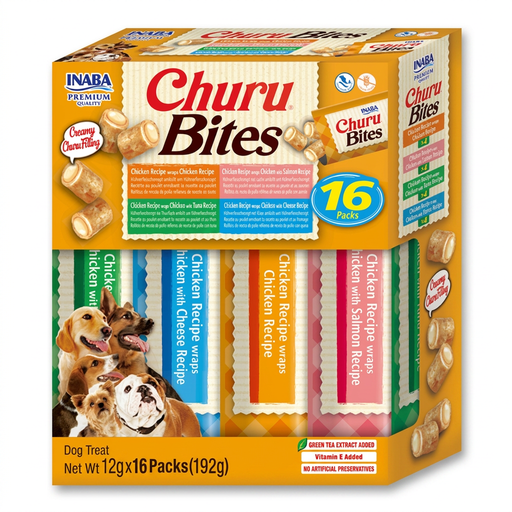
Why we love it: The perfect format for positive reinforcement training sessions that require frequent rewards. Their small size and low calorie count (15-18 kcal per tube) allow you to reward your dog without compromising their diet.
Their format is perfectly calibrated for training, which prevents any calorie overload. The formula is clean: no grains, preservatives, or artificial colours. Simply a healthy reward.
Its dual texture (soft outside, creamy inside) is ultra-palatable and instantly captures the dog's attention. A dog training treat that is as effective as it is interactive.
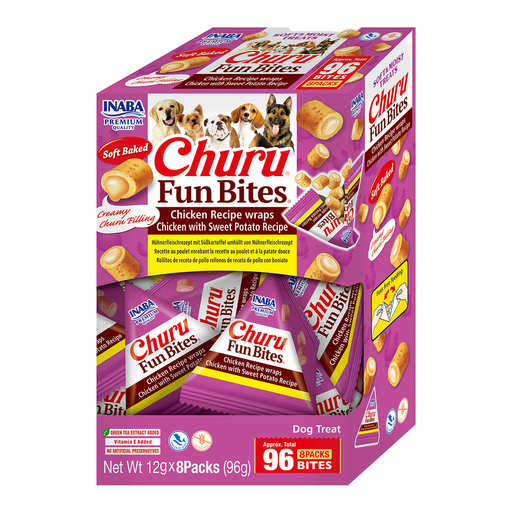
Why we love it: For owners looking for the ultimate healthy and tasty little treat. Its soft texture makes it perfect for all dogs, including seniors or those with sensitive teeth.
Its soft texture is safe for jaws of all ages, eliminating the risk of dental fractures. The recipe, based on farm-raised chicken and sweet potato, gets straight to the point with no unnecessary ingredients.
Its high moisture content (82%) contributes to the dog's daily hydration and makes it particularly digestible. A real bonus for a dog with a sensitive stomach.
Some dogs have very specific needs that require a formulated diet. We have selected a range of products that meet strict criteria and veterinary recommendations.
The golden rule: treats should not make up more than 10% of your dog's daily calorie intake. Of course, this amount depends on their size, age, activity level, and the calories in the treat itself. Always follow the recommendations on the packaging and remember to adjust their kibble portion if you're generous with treats.
"Grain-free" is an excellent option, especially for dogs with a known sensitivity or allergy. For others, it's often a sign of a higher-quality, more digestible recipe that's richer in animal protein. That said, a dog with no specific issues can tolerate treats containing high-quality grains (like oats or rice) just fine, as long as they are given in reasonable amounts.
To preserve their freshness and prevent mould (especially for moist or preservative-free recipes), it's best to store them in a cool, dry place. Once the package is open, reseal it tightly or, even better, transfer the treats to an airtight container. Some recipes, particularly the moister ones, may even need to be refrigerated after opening. Follow the instructions on the packaging.