
Livraison le jour même ou le lendemain

Qualité garantie

Débloquez vos offres de bienvenue: Livraison GRATUITE | Jusqu'à -80 % | 30 jours d'essai gratuits à JoyPlus
Téléchargez l'application
Choosing the right natural dog food can often be a challenge. Between promising packaging and sophisticated marketing, it's hard to separate fact from fiction. As a product expert at Joybuy, my mission is to help you see things more clearly. Here, I'll provide you with objective insights to make the best choice for your companion.
Venturing into the dog food aisle is a bit like navigating a marketing minefield. Here are the two most common traps to avoid:
To avoid falling into the trap, focus on the facts. Here are three essential checkpoints for judging the quality of a dog food.
A good ingredient list must be clear and precise.
This table, often seen as technical, is actually a gold mine. Here are the points to watch for:
The perfect diet doesn't exist in a vacuum; it depends on your pet's age, size, and specific sensitivities.
Rather than an endless list, we've chosen to match dog profiles with products whose formulations meet specific needs, based on the objective criteria discussed above.
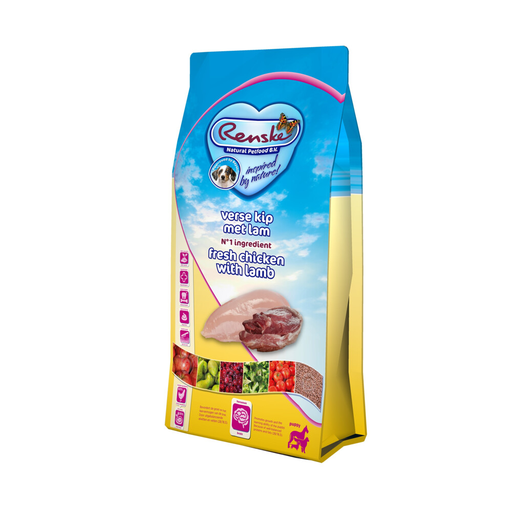
Why it's a good choice: This recipe is specifically designed for the high nutritional needs of puppies. It provides the essential proteins and fats for proper development of the skeleton and muscles.
The ingredient list is crystal clear, with 26% fresh chicken at the top. The formula is gluten-free but includes quality whole grains (brown rice, millet), thus avoiding the "grain-free at all costs" pitfall.
Its high omega-3 content (from krill and flaxseed) supports brain development and coat health. The presence of glucosamine and chondroitin strengthens growing joints.
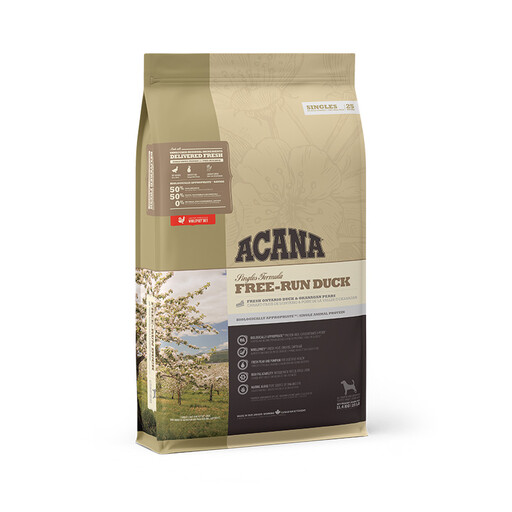
Why it's a good choice: Perfect for dogs with food sensitivities. Using a single source of animal protein (duck) limits the risk of allergic reactions and makes it much easier to identify any potential intolerance.
The "single-protein" promise is kept: the recipe contains 50% duck and no other animal protein. It is formulated without grains, soy, corn, or wheat, which are replaced with digestible vegetables and legumes.
A recipe rich in fibre (pumpkin, pears) to support the digestive tract. The omega-3 and omega-6 fatty acids contribute to healthy skin and a shiny coat.
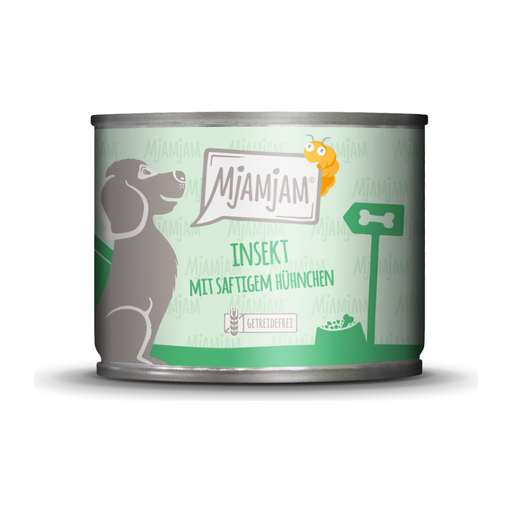
Why it's a good choice: The perfect solution for picky eaters or for an extra hydration boost. Its highly palatable texture and taste, combined with a simple composition, make it an excellent meal for delicate stomachs.
The "natural" claim is justified by a short ingredient list and the complete absence of added sugar, preservatives, or artificial flavours. The meat content is very high and perfectly detailed (36.5% chicken, 32% insects).
A hypoallergenic, grain-free, gluten-free, and lactose-free recipe. It is a complete food, which means it can serve as your dog's main meal.
We have put together a complete selection of products that meet our strict selection criteria and current regulations.
An overly abrupt transition can upset your dog's digestive system. It is therefore crucial to proceed in stages, over 7 to 10 days. Start by mixing 25% of the new food with 75% of the old, then gradually increase the proportion of the new food every two or three days until it is completely replaced.
Not necessarily. While the enthusiasm for "grain-free" is understandable (as dogs are carnivores, some grains like corn or wheat in excess are poorly digested), not all grains should be demonised. Quality whole grains (brown rice, oats), in reasonable quantities, are very well tolerated by most dogs and provide useful fibre and nutrients. The key remains the overall quality of the recipe and the primacy of animal proteins.
The distinction is fundamental. A complete food, as indicated on the packaging, is formulated to cover 100% of your dog's daily nutritional needs. It can therefore be their sole source of nutrition. Conversely, a complementary food (like natural dog treats or some wet foods) is not nutritionally balanced to be a meal on its own. It must be given in addition to a complete food to avoid any risk of deficiency. Always remember to check for this information on the package.