
Livraison le jour même ou le lendemain

Qualité garantie

Débloquez vos offres de bienvenue: Livraison GRATUITE | Jusqu'à -80 % | 30 jours d'essai gratuits à JoyPlus
Téléchargez l'application
Providing a healthy, balanced diet for your companion is every owner's top priority. With the natural dog food market booming, it's easy to get lost among tempting packaging and marketing promises. So, how can you tell the difference between genuinely healthy dog food and a product that only looks the part??
This guide breaks down the essential points to check and helps you avoid the most common traps, so you can make the best choice—one that is truly tailored to your pet's needs.
Choosing the right food can quickly become a headache. Many manufacturers play on words and use vague claims. Here are the three most common traps.
To make the right choice, you first need to know how to decode a label and understand the benefits of each format.
The golden rule is simple: ingredients are always listed in descending order by weight. The first ingredient is therefore the most abundant one.
There's no one-size-fits-all answer, as both formats have their own advantages.
Some dogs have special requirements. A hypoallergenic dog food is usually formulated with a single source of animal protein (known as mono-protein) and alternative carbohydrates to minimise the risk of reactions. Similarly, "light" or weight management formulas are designed with a reduced fat content and higher fibre to promote satiety.
To help you make an informed decision, here is our selection of products whose composition meets our strictest selection criteria.
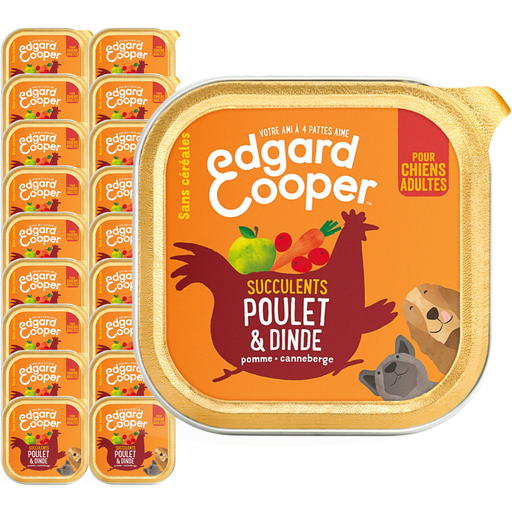
Why it's a great choice: Perfect for the owner who demands complete transparency. The recipe is simple, based on fresh meat, vegetables, and fruit, with no grains or artificial additives. It's a highly palatable wet food that promotes hydration.
This p?té avoids the vague-protein trap by clearly stating it contains 56% fresh chicken and turkey. The ingredients are listed with their percentages, offering total clarity.
Grain-free formula with 82% moisture for optimal hydration. Contains fruits and vegetables like carrots, cranberries, and pumpkin.
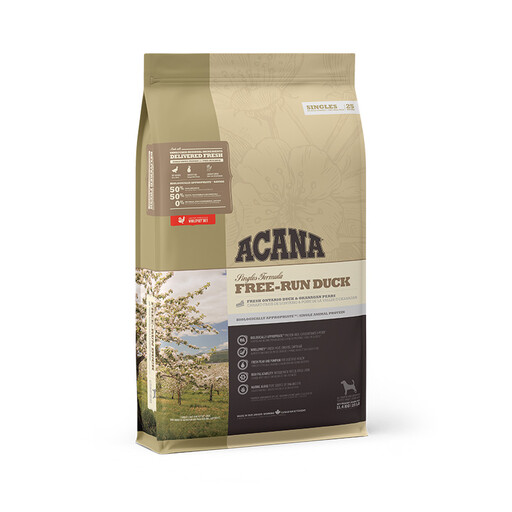
Why it's a great choice: Specially designed for dogs prone to food sensitivities or allergies. Using a single source of animal protein (duck) significantly reduces the risk of triggering a reaction. The formula is also free from grains, soy, corn, and wheat.
This product bypasses the trap of multiple or hidden proteins. By focusing exclusively on duck as the sole animal protein, it offers a clear solution for an elimination diet or for sensitive stomachs.
50% duck for excellent muscle support. Enriched with omega-3 and omega-6 fatty acids for healthy skin and coat.
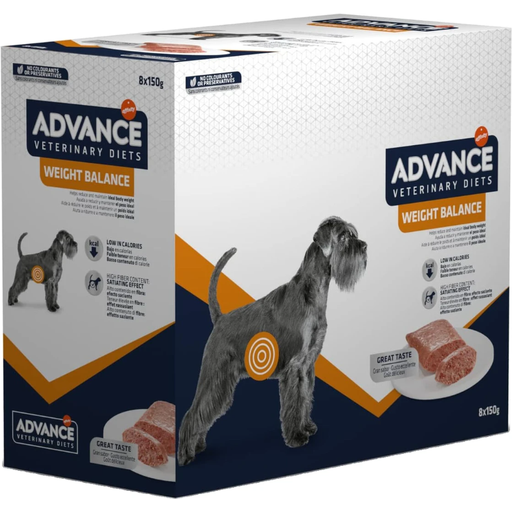
Why it's a great choice: This is a complete dietetic food, specifically formulated for reducing excess weight and for long-term weight management. A veterinarian's advice is recommended before use.
Unlike generic "light" products, this is a precise veterinary formula. It avoids the marketing trap by offering a targeted solution with low energy density and a high fibre content to promote satiety.
High protein content (10.5%) to preserve muscle mass during weight loss. Very low fat content (2.3%).
Discover our full selection of products that meet our quality criteria and current regulations.
To avoid digestive upset, the golden rule is a gradual transition. Over 7 to 10 days, mix the new food with the old, slowly increasing the proportion of the new food. Start with 25% of the new formula and 75% of the old, then gradually increase until you reach 100% of the new food.
Not necessarily. A grain-free diet is crucial for dogs diagnosed with a grain allergy or sensitivity. For other dogs, quality whole grains can be an excellent source of nutrients. The key is to choose a formula where quality animal protein is the foundation, with or without suitable grains.
"Fresh meat" (e.g., fresh chicken) is high in water (around 70%). Its weight is therefore high before cooking. "Meat meal" or "dehydrated meat" (e.g., chicken meal) is meat from which the water has been removed. It is therefore a much more concentrated source of protein. A high-quality product often combines both: fresh meat for palatability and nutrient preservation, and meat meal to ensure a high protein content.