
Livraison le jour même ou le lendemain

Qualité garantie

Débloquez vos offres de bienvenue: Livraison GRATUITE | Jusqu'à -80 % | 30 jours d'essai gratuits à JoyPlus
Téléchargez l'application
Choosing the right kibble for your dog can be a real headache, given the jungle of options and marketing promises. The word "natural" is on every bag, but what does it really mean? With the best of intentions, many owners fall into common traps without actually meeting the real needs of their four-legged companion.
Before you fill the bowl, let's review the most common pitfalls so you can better avoid them:
To avoid making a mistake, focus on objective criteria rather than marketing slogans.
It all starts here. A quality ingredient list is usually short and understandable. The first ingredient is the one present in the largest quantity. The ideal? A clearly identified animal protein source (chicken, beef, salmon...).
Pay attention to the subtleties:
A good adult dog food should offer a balance suited to the dog's lifestyle.
Needs vary: a working dog won't have the same requirements as a lap dog, and kibble for small dogs is formulated differently from that for large breeds.
The choice between dry and wet food depends on your dog's preferences, but also on your daily routine.
To help you see more clearly, here is our selection of products that tick all the boxes for specific needs.
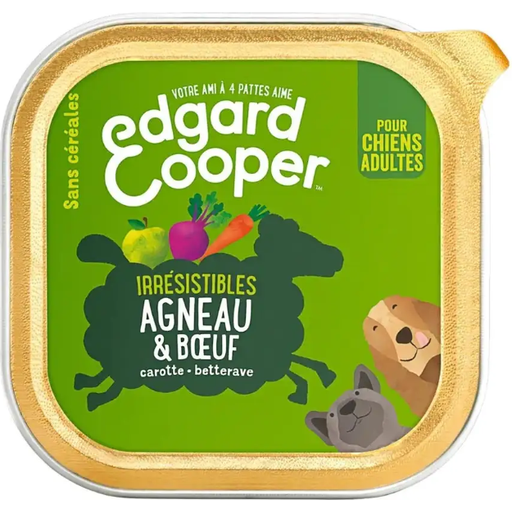
Why we love it: A simple, meat-rich, grain-free recipe, supplemented with clearly identified fruits and vegetables. Perfect for owners who want to know exactly what's in the bowl.
The ingredient list is short and crystal clear (Lamb 30%, Beef 26%...), with no marketing jargon. The protein sources are high-quality and clearly named.
A high meat content (56%) and fresh ingredients, ensuring excellent digestion and maximum palatability.
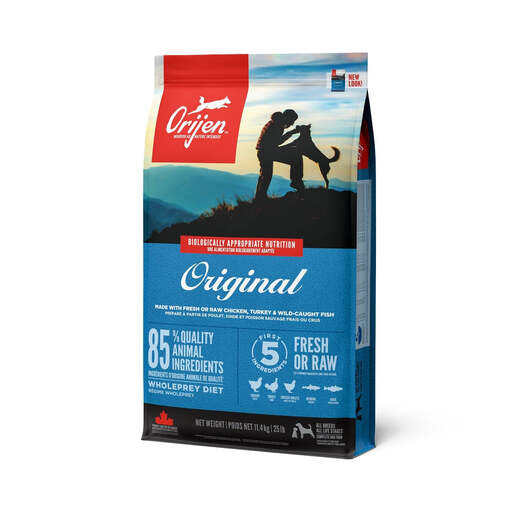
Why we love it: A nutrient-dense formula with a 38% crude protein level from chicken, turkey, fish, and eggs. It's designed for very active dogs with higher energy needs.
The brand goes beyond a simple 'protein-rich' claim with its 'WholePrey' ratio. This incorporates meat, organs, and cartilage to closely mimic the animal's natural diet and avoid long, convoluted ingredient lists.
A massive boost of quality protein from varied sources for optimal muscle support.
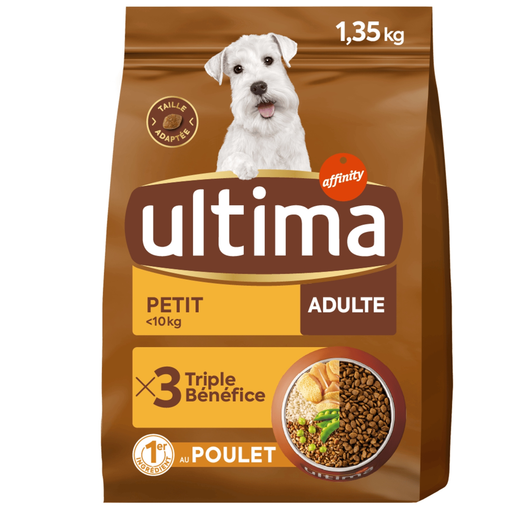
Why we love it: Specially designed for small dogs (under 10 kg), this formula offers kibble for small dogs with a size adapted to their jaw and a composition suited to their fast metabolism.
Rather than a generic solution, the formula targets a specific need. It includes minerals (sodium hexametaphosphate) that help fight tartar, a common problem in small breeds.
A tailor-made formula and kibble size, with a real bonus for dental health.
We have selected a complete range of products that meet our quality criteria, from kibble and p?té to natural treats.
To avoid digestive issues, a smooth transition is essential. Over 7 to 10 days, mix the old and new food, gradually increasing the proportion of the new one. Start with 25% new food, then increase in stages until you reach 100%.
Not necessarily. It's mainly relevant for dogs with a proven intolerance or allergy. For others, high-quality whole grains (oats, brown rice) are an excellent source of fibre and energy. Ultimately, the overall quality of the ingredients is more important than the simple "grain-free" label.
"Fresh chicken" is raw meat, which contains a lot of water (70-80%). Its weight on the label is therefore inflated, but its actual protein contribution after cooking is much lower. "Chicken meal" (or dehydrated chicken protein) is a highly concentrated protein source because the water has been removed. A quality recipe often combines both: fresh for palatability, and meal for nutritional density.