
Livraison le jour même ou le lendemain

Qualité garantie

Débloquez vos offres de bienvenue: Livraison GRATUITE | Jusqu'à -80 % | 30 jours d'essai gratuits à JoyPlus
Téléchargez l'application
Giving your dog a treat is more than just a sign of affection: it's a cornerstone of training. But with overflowing shelves and packaging that screams "natural," how do you know what to choose? All too often, these appealing promises hide disappointing ingredients. This guide gives you the keys to decode labels and choose a natural chicken dog treat that is genuinely healthy and right for your companion.
Marketing is an art, and the world of dog treats is no exception. Before we get to our top picks, let's review the most common traps to help you avoid wasted money and disappointment.
To make the right choice, ignore the marketing slogans and focus on objective, verifiable criteria.
The golden rule is simple: ingredients are listed by weight, from most to least abundant.
This table, which is mandatory on all packaging, is a goldmine of information about the product's nutritional balance.
This is an often-underestimated, yet essential, factor. A dog chew stick is designed to last and support dental hygiene, while a small, soft bite is ideal for quickly rewarding a behaviour without interrupting the exercise.
Rather than an endless list, we've selected products that excel in specific use cases and align with our criteria.
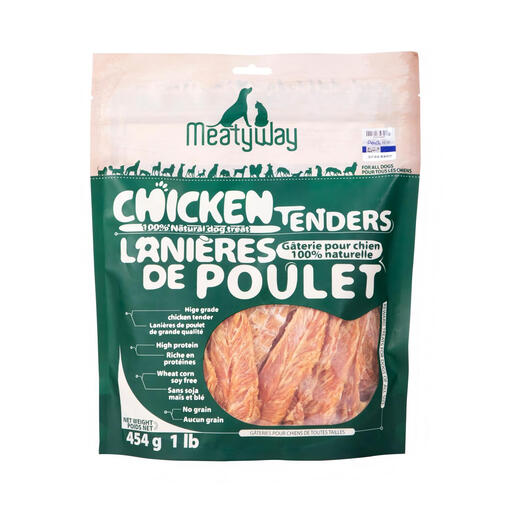
Why we chose it: Perfect for owners who demand absolute transparency. It's a top choice for sensitive dogs, as its formula eliminates common allergens like grains and additives.
The ingredient list is as simple as it gets: just chicken. There's no room for grains, sugars, or hidden by-products, which immediately neutralises the "fake natural" and mystery protein traps.
Ultra-minimalist ingredients: 100% chicken. High in protein: with over 30% crude protein, it's a real energy booster.
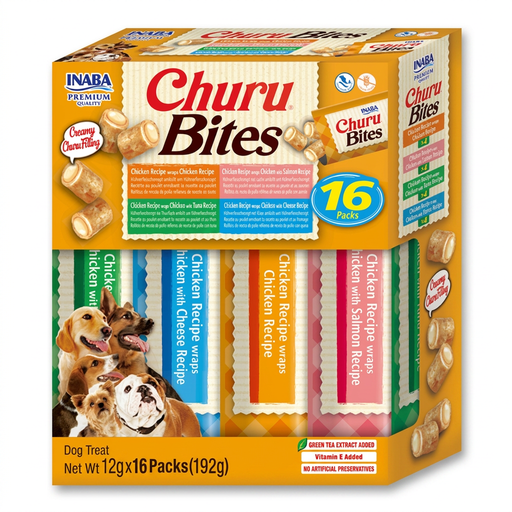
Why we chose it: The perfect tool for positive reinforcement training sessions. Their small size and low calorie count allow for frequent rewards without the risk of overfeeding your dog.
It perfectly solves the problem of using the wrong treat for training. Each bite is small, soft, and contains only 15-18 kcal. The dog eats it in an instant, keeping their focus intact.
Low in calories: ideal for repeated use. Dual texture: a soft-baked outside and a creamy centre make for a powerfully effective combination. Grain-free and preservative-free.
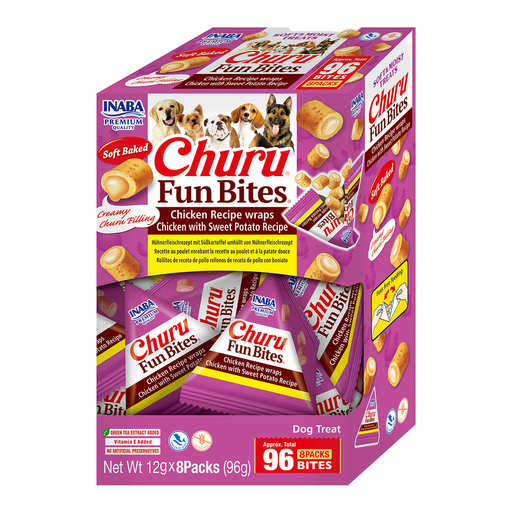
Why we chose it: For owners who want to offer a gourmet treat without compromising on quality. The combination of chicken and sweet potato provides a richer taste experience while remaining perfectly healthy.
This treat proves that indulgence doesn't have to mean sugars or artificial flavours. It relies on naturally tasty ingredients (chicken, sweet potato) to win dogs over, thus avoiding the additive trap.
Very high moisture content (82%): an ultra-tender texture that helps with hydration. Quality ingredients: farm-raised chicken and highly digestible sweet potato. Grain-free.
Explore our full selection of products that meet our strict selection criteria and industry standards.
The golden rule is simple: treats should not make up more than 10% of your dog's daily calorie intake. Always refer to the recommendations on the packaging, which are usually based on the animal's weight. If you use a lot of treats for training, consider slightly reducing their kibble portion to maintain a healthy weight.
For dogs with known allergies or digestive sensitivities to grains, a grain-free dog treat is an excellent option. For most other dogs, the absence of grains is primarily a mark of quality, indicating that the manufacturer has prioritised more nutrient-rich ingredients like meat and vegetables. It's not an absolute necessity for every dog, but it often signals a higher-quality, better-designed recipe.
Natural treats, especially those without artificial preservatives, require a bit more care. Store the package in a cool, dry place away from direct sunlight. Once opened, seal the bag tightly after each use. For high-moisture treats, it is often recommended to refrigerate them and consume them quickly (sometimes within 24 hours), as indicated on the packaging.