
Livraison le jour même ou le lendemain

Qualité garantie

Débloquez vos offres de bienvenue: Livraison GRATUITE | Jusqu'à -80 % | 30 jours d'essai gratuits à JoyPlus
Téléchargez l'application
Natural cat litter can meet several needs: helping to control odours, making cleaning easier, reducing dust or choosing a plant- or mineral-based material. However, the claims shown on packaging are not always enough to help you make the right choice.
From clumping, plant-based, tofu and cassava litter to mineral litter, how each type works can vary considerably. Here are the criteria to consider before buying, along with a selection suited to different types of households in France.
Litter can contain natural materials while still needing to be disposed of with household waste. The term biodegradable does not automatically mean that the product can be flushed down the toilet or added to compost.
Some plant-based products state that they can be composted or flushed away under certain conditions. Others clearly specify that used pellets must not be rinsed away. In France, it is therefore best to check the packaging and local guidance before disposing of litter, particularly to avoid blocking your pipes.
Litter advertised as odour-controlling does not remove the need to clear waste every day. Plant-based materials can trap liquids in compact clumps, while non-clumping mineral litter absorbs moisture without forming a ball.
The size of the tray, where it is placed, the room’s ventilation and the number of cats also play a part. A performance figure highlighted by a brand is still commercial information specific to its product listing, not a guarantee that applies to every household.
Litter described as low-dust can still release particles when you pour from the bag or when your cat scratches. Fine textures often feel similar to sand, but they can also spread more easily around the tray.
For a cat that is sensitive to dust, or for an owner who cleans frequently, pay particular attention to:
Tofu litter is made from plant fibres. It is lightweight and generally designed to form clumps when it comes into contact with urine. Cassava- or tapioca-based options use materials that are rich in starch. Maize may also be included in their composition.
Mineral litters use granules such as quartz or chalk. They often provide consistent absorption, but their weight and disposal method differ from those of plant-based litters. The right choice therefore depends on your priorities: transport, volume, cleaning, texture and waste management.
For clumping litter, check whether the product listing refers to solid clumps that remain compact when removed with a scoop. Crumbly clumps increase the amount of litter thrown away and can leave residue stuck to the bottom of the tray.
A depth of 5 to 7 cm is often recommended for the plant-based options featured here. Mineral litters may require a different depth, depending on the manufacturer’s instructions. After each removal, restore the level so your cat can scratch and cover its waste properly.
A 10-litre bag of litter does not necessarily weigh the same as a 5 kg bag of plant-based litter. Compare the volume, weight, replacement frequency and amount removed each day, rather than relying solely on the price of the pack.
In a multi-cat household, a multi-pack can reduce the need for repeat purchases. However, you will need a dry storage area: moisture can alter the texture and reduce the clumping ability of plant fibres.
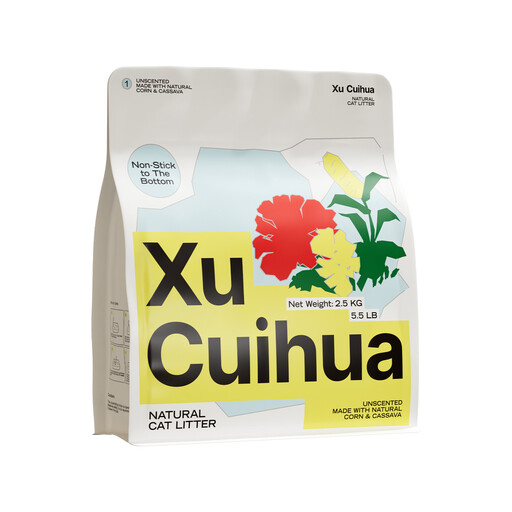
Why this choice suits this profile : its stated cassava and maize-based composition, fragrance-free formula and 2.5 kg size make it a good way to try plant-based litter without too much commitment.
The listing states that used clumps must not be flushed down the toilet. Clear guidance that prevents you from reading too much into the term ‘natural’.
Added-fragrance-free formula, claimed rapid clumping and low dust release when poured, according to the description.
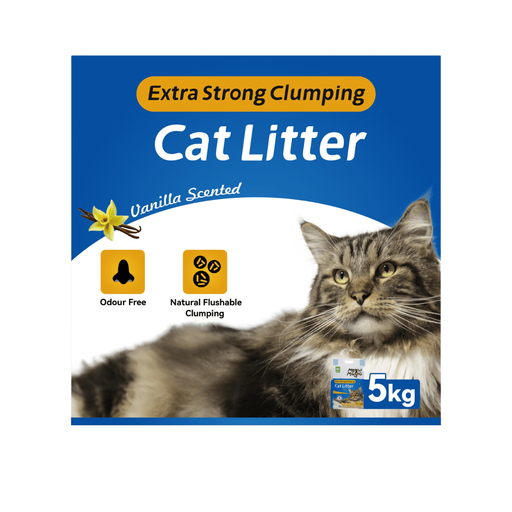
Why this choice suits this profile : this 5 kg bag combines tofu fibres with claimed enhanced clumping, designed for households looking to make everyday maintenance easier.
The listing specifies a depth of 5 to 7 cm, daily removal of clumps and dry storage. Practical instructions rather than a simple general promise.
Plant-based tofu fibres, a formula described as low-dust and compostable, and suitable for both adult cats and kittens, according to the listing.
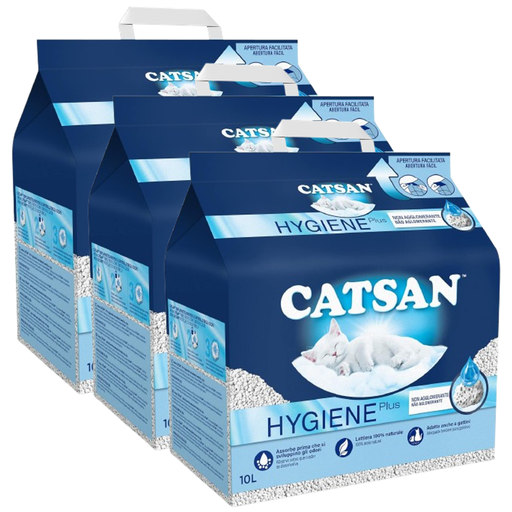
Why this choice suits this profile : this pack of three 10-litre bags is ideal for owners who prefer non-clumping mineral litter and want to space out their restocking trips.
Its non-clumping action is clearly stated, so do not expect to find urine clumps to remove with a scoop.
Mineral granules made from fine chalk and quartz, fragrance-free, with an absorption capacity detailed on the product listing.
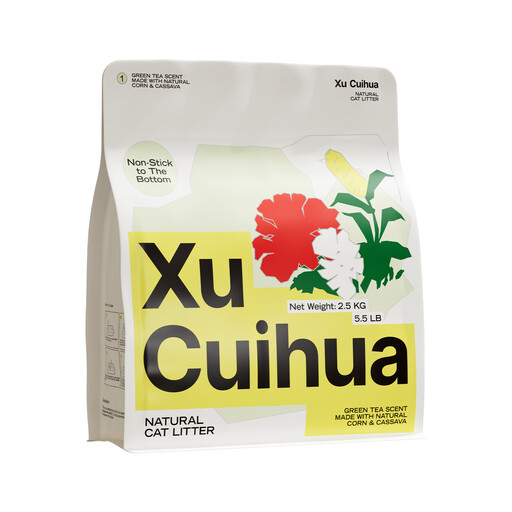
Why this choice suits this profile : its stated cassava and maize base, fine texture and green tea fragrance are aimed at households looking for an alternative to classic mineral litter.
The listing specifies that clumps must not be flushed down the toilet, despite the product’s plant-based origin.
Claimed firm clumping, bicarbonate combined with the green tea fragrance and low dust release when poured, according to the description.
We have put together a complete, real-time-updated list of products that meet these strict selection criteria and European safety regulations.
A sudden change may cause your cat to avoid its tray. For an adult cat, gradually mix the old and new litter over several days. With a kitten or a particularly sensitive animal, monitor its reaction to the texture and avoid strongly scented products if it does not tolerate them well.
Remove faeces and clumps every day, then clean the tray regularly with a gentle product. Dry it thoroughly before adding fresh litter. Also avoid filling the tray right to the brim: this will help limit scattering and waste.
A layer of 5 to 7 cm is generally recommended for the clumping plant-based litters featured here. However, check the product instructions and adjust the depth to suit your cat’s habits. A layer that is too thin can reduce absorption and encourage litter to stick to the bottom of the tray.
It depends on the number of cats, the size of the tray, the amount used and how regularly it is cleaned. With clumping litter, you can mainly remove the soiled areas. Non-clumping mineral litter, on the other hand, needs to be completely replaced when the granules become saturated.
Not always. Some product listings mention this as an option for small quantities, while others clearly prohibit it. Follow the label, the manufacturer’s instructions and local guidance. If in doubt, dispose of the litter with household waste: this is the safest option.