For a solo snack on the go
You want to open one portion and finish it without opening a large box. Compare the weight of each item and the number of items in the pack: a single bar and a multipack of small bars don’t meet the same needs.


For a single chocolate break on National Day, choose an individual bar if you want a portion that’s ready to take with you; a multipack is a better fit if you’re planning several breaks. A block or box lets you choose how much to serve, but you’ll need to portion it out and store what’s left. Whichever you choose, check the weight per item, ingredients, allergens and nutritional information for the specific product.
You want to open one portion and finish it without opening a large box. Compare the weight of each item and the number of items in the pack: a single bar and a multipack of small bars don’t meet the same needs.
You’d like to check the ingredients before choosing. For pre-packed foods, the ingredients list and nutrition declaration provide useful information. According to the DGCCRF, displaying the Nutri-Score is optional.
If you need to avoid an ingredient, check the exact recipe rather than relying on the brand name alone. The DGCCRF states that allergens in pre-packed products must be highlighted in the ingredients list.
For a solo snack, first decide whether you want a portion that’s ready to open or an amount you can divide up, then compare the information for each recipe.
| What matters to you | What to check | Who it’s for |
|---|---|---|
| Ready-to-eat portion | Weight per item and number of items in the pack. | If you’re having just one snack away from home, being able to open a bar without having any left to store is the main priority; around 31% of consumers would prioritise this need for an immediate portion. |
| Nutritional information | Sugars per 100 g and, if shown, per portion; check the size of that portion. | If you’re comparing different recipes, you’ll want to distinguish their sugar content from the amount you plan to eat; around 31% of consumers would make this comparison a priority. |
| Allergens and recipe | Ingredients list and highlighted allergens for the exact product. | Before choosing a flavour or filling, some consumers need to check that it’s suitable for them; around 23% would put the ingredients first. |
| Amount to store | Number of portions, date shown on the packaging and storage instructions. | If you don’t expect to finish a multipack quickly, how much will be left becomes a key consideration; around 15% of consumers would first choose a format that suits how often they eat it. |
The word “bar” doesn’t tell you how much to eat in one sitting: Carrefour France, for example, lists 21 g bars, while Lidl France has listed a 125 g bar.
For a single snack, check the weight of the item and decide whether you want to store some of it for later.
The French levy described by Légifrance applies to drinks and liquid preparations for drinks, not to a solid chocolate bar or box.
To compare chocolates, check the sugar content in their nutrition declarations instead.
According to the DGCCRF, displaying the Nutri-Score is voluntary. Its presence alone doesn’t tell you about allergens or how much you’ll serve.
If it appears on the packaging, use it alongside the ingredients list and nutritional values.
A chocolate block, a filled bar and a recipe with added pieces may all have different ingredients lists, even if they’re from the same brand.
Check the label for the variant you’re buying, particularly if you need to avoid an allergen.
Worth considering if you prefer to choose a chocolate block and break off a portion yourself.
Worth considering for Kinder bars, particularly if you’re planning several breaks.
A retailer to check when comparing bars, multipacks, chocolate blocks and boxes for the quantity you need.
An example of a larger bar to consider if you plan to divide it into portions.
This selection includes bars to consider for one snack, multipacks for several breaks and chocolate-coated biscuit sticks. The weight of each item helps you distinguish them from a box to serve or a chocolate block to divide into portions.
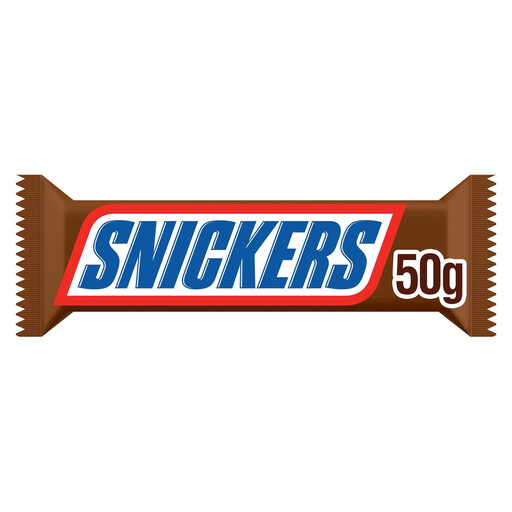 Image unavailable
A 50 g bar to consider if you want to take one treat with you rather than open a box.
If you have an allergy, check the label: this product lists peanuts, milk, soya and egg, and may also contain nuts.
 Image unavailable
This multipack is a good fit if you’re planning several breaks rather than buying just one bar.
It contains 11 bars of 21 g each. If you plan to take one without opening the others, check how they’re wrapped; this product lists milk and soya.
 Image unavailable
Worth considering if you’re looking for a chocolate-coated biscuit stick rather than a plain chocolate bar.
The pack weighs 75 g. Check how many sticks it contains to work out how much to take with you; if you have an allergy, check the information about wheat, milk, soya and nuts.
 Image unavailable
This multipack could be a good choice if you’d like to have one small piece at a time over several breaks.
It contains 9 pieces of 11,6 g each. To compare sugars and saturated fat with another recipe, check the values on the label; also check the information about milk, wheat and soya.
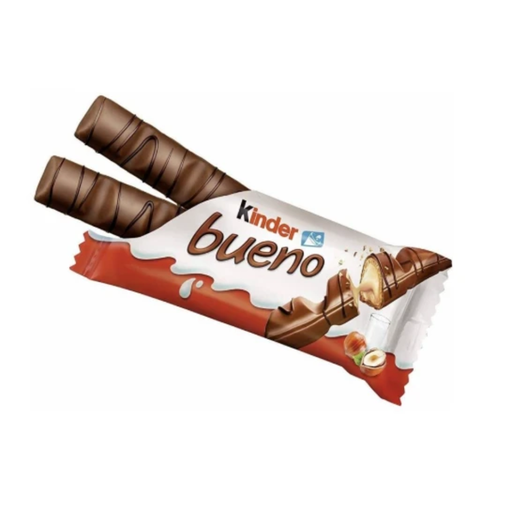 Image unavailable
Worth considering if a 44 g pack is the right amount for your snack.
Check the number of portions and how they’re wrapped before relying on it for a separate portion to take with you. This product lists milk, wheat, hazelnuts and soya, and may also contain almonds.
No, not to a solid chocolate bar. According to Légifrance, the levy in question applies to drinks and liquid preparations for drinks. To compare bars, check the sugar content of each recipe in its nutrition declaration instead.
No. The DGCCRF explains that displaying the Nutri-Score is voluntary. If it appears, read it alongside the ingredients list and nutritional values, and don’t assume on that basis alone that a recipe meets your needs.
Read the ingredients list for the specific product you’re planning to buy: according to the DGCCRF, allergens in pre-packed foods are highlighted there. Check again if you switch to a different recipe or format.
This wording indicates a best-before date. The DGCCRF explains that a product may lose some of its flavour qualities after this date if its packaging is intact; also check its condition and the storage instructions on the pack.