
Livraison le jour même ou le lendemain

Qualité garantie

Débloquez vos offres de bienvenue: Livraison GRATUITE | Jusqu'à -80 % | 30 jours d'essai gratuits à JoyPlus
Téléchargez l'application
In the aisles of supermarkets and Asian grocery stores, colourful nata de coco drinks catch our eye. They promise a dual experience: a refreshing juice with chewy little cubes. Yet, behind the flashy packaging, disappointment often awaits. An overly sweet drink, a disappointing texture, or an artificial taste can quickly ruin the enjoyment.
Our mission? To help you cut through the noise. Follow this guide to avoid the common pitfalls and make your next delicious break a true success.
To make the right choice, there's no secret: you have to learn to decode the label. It only takes a few seconds to spot the right indicators and distinguish a quality drink from a mediocre one.
This is the most reliable and easiest criterion to check. A quality refreshing Asian drink will always clearly display the proportion of its star ingredients.
The ingredients list never lies.
Be careful not to confuse these two types of bits, which offer very different sensations.
To put theory into practice, here is our selection of products that tick all the boxes, for every taste.
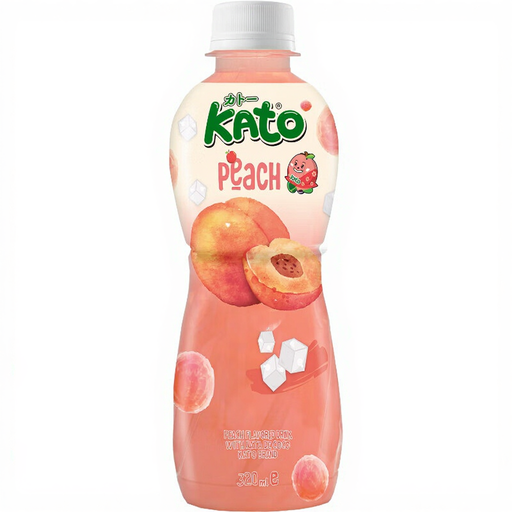
Our take: Ideal for a fun and delicious break. The combination of a very sweet fruit juice and the firm texture of nata de coco makes it the perfect snack.
With 25% peach juice and 15% nata de coco, this drink sidesteps the pitfall of diluted "juice." The flavour and texture are both on point.
The balance between the liquid and the pieces is perfectly executed. The dual sensation is guaranteed with every sip.
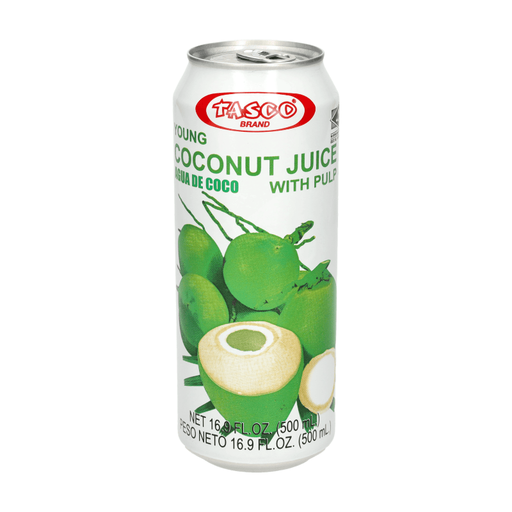
Our take: For those who love the authentic taste of young coconut water, complete with the natural texture of its pulp. This is a thirst-quenching drink above all, less "candy-like" and closer to the real fruit.
The recipe focuses on simplicity: young coconut juice, water, a little sugar, and pulp. Zero artificial flavourings, for a pure and straightforward coconut taste.
The real young coconut pulp provides a tender and natural texture, quite different from the firmness of nata de coco. The experience is more authentic.
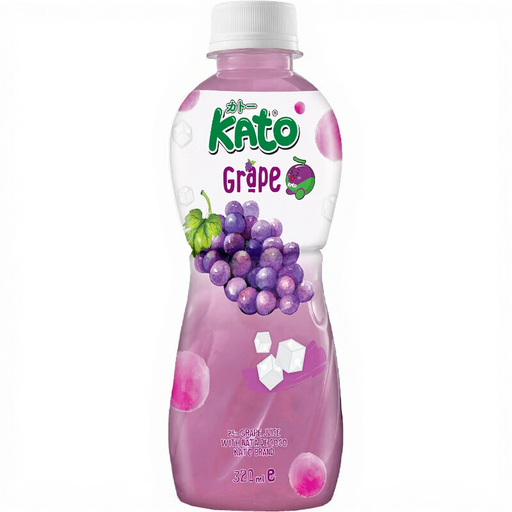
Our take: For those who are here primarily for the unique texture of nata de coco. The KATO brand is a reliable choice in this category, and the pairing with grape offers a familiar yet effective flavour.
They don't skimp on the good stuff here! With 15% nata de coco, it avoids the "empty" drink trap. The chew is generous, from the first sip to the last.
The combination of concentrated grape juice (25%) and a healthy dose of nata de coco makes this the archetype of a great chewable drink.
We have selected a full range of drinks that meet our quality criteria and current regulations.
Nata de coco is a chewy, translucent, jelly-like food product originating from the Philippines. It's produced by the fermentation of coconut water. Its unique texture, both firm and tender, makes it a star ingredient in Asian desserts and drinks. Note that it is not fruit pulp, but its own distinct product.
Once opened, your drink should be kept in the refrigerator and consumed within 24 to 72 hours (refer to the packaging for specific instructions). The cold is essential to preserve the freshness of the juice and the texture of the pieces. Remember to reseal the bottle or cover the can tightly.
The sugar content varies enormously from one brand to another. A 320 ml bottle can contain anywhere from 20 to over 35 grams of sugar, which is equivalent to 4 to 7 sugar cubes. The best practice is to glance at the nutritional information and check the "Carbohydrates of which sugars" line (per 100 ml) to compare.