
Livraison le jour même ou le lendemain

Qualité garantie

Débloquez vos offres de bienvenue: Livraison GRATUITE | Jusqu'à -80 % | 30 jours d'essai gratuits à JoyPlus
Téléchargez l'application
After a running, fitness, yoga or Pilates session, a muscle massage roller can easily become part of your mobility routine. But marketing promises alone are not enough to help you make the right choice. A very firm roller will not necessarily suit everyone, while an electric model may be excessive for occasional use.
Before buying a foam roller or myofascial massage roller, it is worth focusing on three criteria: the structure, the dimensions and how it is used.
A highly textured or particularly firm surface is often presented as ideal for targeting deep tissue. In practice, it can make your first sessions genuinely uncomfortable, especially when used on the thighs, calves or upper back. The pressure applied depends on your body weight, how quickly you move and the area being targeted: the roller’s texture is not everything.
If you are just starting out, an EVA foam surface or a dense but slightly flexible structure will generally be easier to control. Those familiar with myofascial release can then move on to a firmer model.
A short roller is easy to carry, but offers less stability when working on your back or doing floor exercises. A model measuring around 60 cm takes up more space, but may be better suited to full post-workout recovery sessions.
Also remember to check the diameter, stated maximum load and the rigidity of the structure. A roller that deforms too much may lose stability and precision over time.
An electric or automatic massage roller may offer several speeds, an app and hands-free use. These features are useful for intensive users, but they also mean recharging the device, maintaining it differently and generally setting aside a higher budget.
At home, at the gym or when travelling, a manual model is often the simplest solution: no cable, no app and immediate, straightforward use.
The most common rollers are made from EVA, PVC or PE. EVA is valued for its moderate weight and relatively comfortable surface. A PVC core can increase rigidity, while high-density PVC or PE is designed to offer greater resistance to deformation.
The product information should specify the materials used and, where possible, provide details about the core design. For a muscle recovery roller, choose a surface that does not grip the floor excessively and a construction suited to your body weight.
A roller intended for the back should provide a sufficiently stable base. For the legs, a short model will often be easier to manoeuvre, especially if you switch between the calves, hamstrings and quadriceps.
Use the roller on a flat, non-slip surface, making slow and controlled movements. Avoid joints, bones, the spine itself, wounds, bruises and areas affected by acute inflammation. Sharp pain is not a sign of effectiveness: stop the session if you experience unusual or persistent pain.
If you have an injury or medical condition, or are unsure how to use this accessory, ask a healthcare professional for advice. Also check the warnings, recommended minimum age, contact details for the manufacturer or responsible person in the European Union, and the warranty terms.
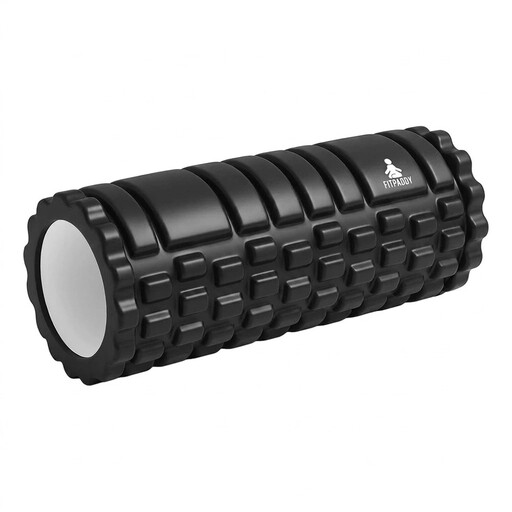
Why this choice suits this profile: This manual EVA roller is ideal for anyone who wants to start a mobility routine at home, at the gym or outdoors, without having to keep an eye on a battery level.
Its simple design means you do not pay for unnecessary electronic features when using it occasionally. Its hollow core also helps keep its net weight to 750 g.
A textured surface, EVA coating, internal PVC structure and dimensions of 33 cm in length by 14 cm in diameter.
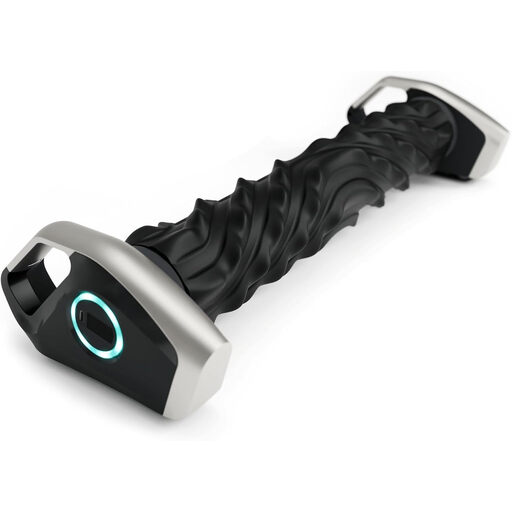
Why this choice suits this profile: Its automatic operation is designed for users who want to incorporate regular recovery sessions after a run, a day spent sitting down or a strength-training workout.
The settings are clearly defined: three speeds, two covers and app control. This allows you to adjust the intensity for each session instead of being limited to a single pressure setting.
Advertised operation below 45 dB, stated battery life of 240 to 480 minutes and a stated capacity of up to 300 lb, or approximately 136 kg.
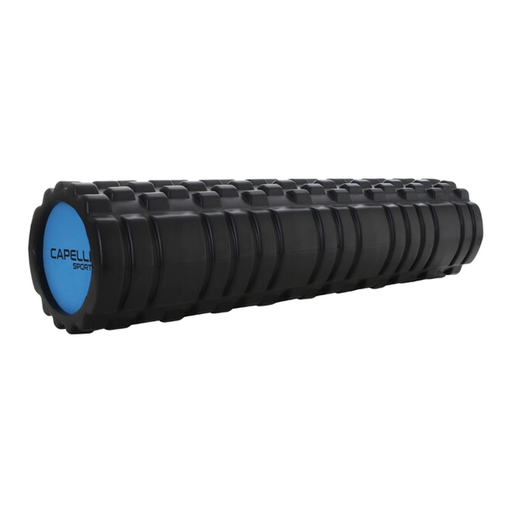
Why this choice suits this profile: At 61 cm long, this roller is suitable for athletes who want to work on their back, thighs and muscle chains across a larger surface.
Its dimensions are stated precisely, so you can anticipate how much space it will take up and avoid choosing a model that is too short for floor exercises.
A 61 × 13 cm format, high-density PVC and PE construction, plus a nylon bag designed for storage and transport.
We have put together a complete, real-time updated list of products that meet these demanding selection criteria and European safety rules.
Start with a short session on a large muscle area, such as your thigh or calf. Place the roller beneath the muscle, then slowly move your body to roll the accessory. Moderate pressure is enough to begin with. Limit the work to one or two minutes per area and avoid sudden movements.
Before exercise, a few controlled passes can complement a mobility routine. After training, the roller can form part of a recovery routine alongside gentle stretching and sufficient hydration. It is not a substitute for a diagnosis or medical care.
One to two minutes per muscle group is a reasonable duration to start with. How often you use it depends on your comfort, your activity and the manufacturer’s recommendations. Stop using it immediately if you experience sharp pain or persistent discomfort.
A deep-tissue massage roller generally has a firmer, textured or contoured surface. It may create a more pronounced feeling of pressure, but is not automatically suitable for every user. Density, diameter and your ability to control the pressure are just as important as the surface texture.
Wipe it with a dry or slightly damp cloth after each session. Avoid harsh cleaning products and do not immerse it in water, particularly if it is an electric model. Allow it to dry completely before storing it in a dry place away from heat and direct sunlight.