The mung bean is a staple of Asian cuisine, but it's easy to get confused. Between whole seeds, split mung beans, and ready-to-use mung bean sprouts (often mistakenly called "soybean sprouts"), it's not always clear which product to choose to perfect your mung bean recipe. Each version has its own secrets and ideal uses.
This guide is here to break down these differences and help you find the perfect mung bean for your culinary needs, whether you're dreaming of a comforting soup, a crunchy stir-fry, or you want to try your hand at sprouting your own mung beans.
Our mission at Joybuy: to give you clear, practical advice to simplify your life in the kitchen.
The 3 Criteria for Choosing the Right Mung Bean
It all depends on how you plan to use them, the time you have, and the texture you're looking for.
1. What's the Recipe? Soup, Dessert, Salad, or Sprouting
This is the starting point: there's a perfect mung bean for every recipe!
- For crunch (salads, stir-fries, spring rolls):Mung bean sprouts are your best bet. You can buy them pre-sprouted in a can for a huge time-saver, or opt for whole mung beans to sprout them yourself.
- For velvety soups and smooth desserts: For a mung bean soup (like the Chinese lǜdòu tāng) or desserts with a very smooth texture, split mung beans (which are yellow) are unbeatable. Without their green skin, they cook faster and easily break down into a purée or cream.
- For simmered dishes and home sprouting: Whole mung beans (green) hold their shape well during cooking and provide a firmer texture. They are perfect for curries, dahls, or stews. This is also the only variety you can use to sprout mung beans at home.
2. A Nutritional Powerhouse: Plant-Based Protein
The mung bean is an excellent source of plant-based protein. Dried beans, whether whole or split, are much more concentrated in protein than canned sprouts, which are full of water. For example, some whole mung beans can contain up to 23g of protein per 100g, making them a top ingredient for vegetarian and vegan diets.
3. Ready-to-Use or Homemade?
- The quick option: Canned goods. Canned mung bean sprouts are ready to use. Just rinse, drain, and add them to your dishes. It's the perfect easy solution for quick meals.
- The authentic version: Dried beans. Whole or split beans require a little preparation (soaking and cooking). However, they offer much greater versatility and are often more budget-friendly, especially if you cook in large quantities. They also have a very long shelf life in your pantry.
Our Recommended Mung Beans
Here are our top picks, designed for every need and craving.
Most Convenient: MOLY Mung Bean Sprouts 400g
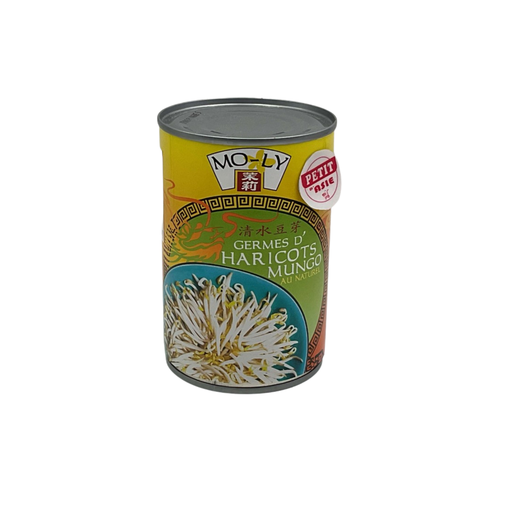
- Key feature: Natural mung bean sprouts, preserved in brine and ready to eat.
- Advantages:
- Ready in a flash: No prep needed, just a quick rinse and they're good to go!
- Guaranteed crunch: The brine preserves their texture and freshness.
- Versatile: Perfect in salads, soups, egg rolls, spring rolls, or stir-fries.
- Easy to store: A pantry essential to always have on hand.
- Who is it for? Ideal for anyone who wants to add crunch and freshness to their dishes in record time, without the hassle of sprouting.
For Creamy Soups and Desserts: Golden Lily Peeled Split Mung Beans 400g

- Key feature: High-quality mung beans, already peeled and split for ultra-fast cooking and a melt-in-your-mouth texture.
- Advantages:
- Quick-cooking: No soaking required; they cook much faster than whole beans.
- Velvety texture: Perfect for making creamy soups, porridges, dessert creams, or bean pastes.
- Easier to digest: Without their skin, they are often better tolerated by sensitive stomachs.
- Natural color: Their beautiful yellow hue is a signature of many Asian desserts.
- Who is it for? Recommended for fans of Asian cuisine who want to prepare desserts, soups, or purées with a creamy texture, like the famous mung bean soup.
Most Versatile (and for Sprouting): Sunlee Whole Mung Bean 400g
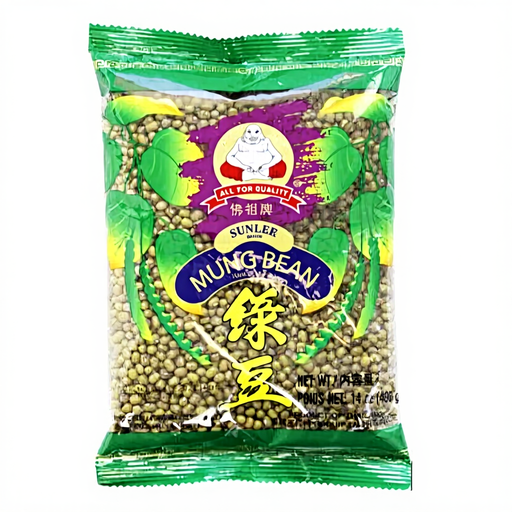
- Key feature: Whole, raw, and unprocessed mung beans for maximum culinary possibilities.
- Advantages:
- Perfect for sprouting: These are THE seeds you need to grow your own fresh sprouts at home.
- Protein Powerhouse: With 23g of protein per 100g, it's a top choice for vegetarian and vegan diets.
- Firm texture: They hold their shape after cooking, which is ideal in mixed salads, dahls, and simmered dishes.
- 100% natural: No artificial colors or preservatives.
- Who is it for? Perfect for cooks who love to control every step, from home sprouting enthusiasts to those looking for an ultra-nutritious ingredient for their vegetarian dishes.
Looking for Other Options?
If the products in this selection don't quite meet your needs or if you simply want to explore other varieties, we invite you to browse our full category.
? Discover our entire range of 400g beans
Frequently Asked Questions (FAQ)
1. How do I sprout mung beans at home? To sprout mung beans, rinse the whole (green) beans well, then let them soak overnight in a large volume of water. The next day, drain them thoroughly. Place them in a glass jar covered with cheesecloth secured by a rubber band, or directly in a sprouter. Keep the container away from direct light. Be sure to rinse and drain them well morning and evening. Your sprouts will be ready in 2 to 4 days!
2. What is the taste difference between whole and split mung beans? Whole mung beans have a more vegetal, almost earthy flavor due to their skin. They also provide a firmer mouthfeel. Split mung beans, on the other hand, have a milder, slightly sweet taste with a much creamier texture once cooked. This is what makes them perfect for sweet preparations or smooth soups.
3. Can you eat dried mung beans without cooking them? Absolutely not! Dried mung beans, whether whole or split, must be cooked before being eaten. Only mung bean sprouts (the germinated seeds) can be eaten raw, for example in a salad, after being thoroughly rinsed.


