
Livraison le jour même ou le lendemain

Qualité garantie

Débloquez vos offres de bienvenue: Livraison GRATUITE | Jusqu'à -80 % | 30 jours d'essai gratuits à JoyPlus
Téléchargez l'application
The mung bean, often confused with the green soybean, is a cornerstone of Asian cuisine. From refreshing Chinese soups to creamy Indian dal, it shines with its versatility. Yet, when it comes to choosing the right package at an Asian supermarket or online, the task can be surprisingly tricky. Between the different forms (whole, split, hulled), quality labels, and promising packaging, it's easy to buy a product that doesn't suit the mung bean recipe you had in mind at all.
As a product expert at Joybuy, I'm here to guide you. Here’s a breakdown of the pitfalls to avoid and the key criteria for making the right choice, every time.
Confusing "whole", "hulled", and "split": This is the most common mistake: choosing the wrong version. A whole mung bean (with its green skin) will never yield the creamy, yellow texture of a dal, which requires hulled and split beans (mung dal). Conversely, trying to sprout hulled beans is doomed to fail. Identifying the right form of bean for your dish is therefore the key to a successful recipe.
The illusion of unverifiable "premium quality": Beware of packaging that displays vague marketing claims like "premium selection" or "superior quality". Without objective criteria, these terms are often meaningless. The true quality of a dry mung bean is best judged by eye: look for plump beans, a uniform olive-green colour, and a low percentage of broken or discoloured beans. A bag containing a lot of debris or dull-looking beans is a bad sign: it's likely an old harvest or a poorly stored product.
Before adding a package to your cart, take a moment to check these three key points. The success of your dishes and the certainty of buying the right product depend on them.
This is the number one criterion, as it dictates its entire use in the kitchen.
For dried beans, the visual appearance is a reliable indicator of freshness and quality.
Opting for organic mung beans is an excellent idea for anyone wishing to avoid pesticide residues. Organic certification also guarantees compliance with strict production standards, which often translates to better overall quality control. This is an especially important criterion for a staple food rich in plant-based protein that is consumed regularly.
To help you find your way, here are a few products that tick all the boxes of our quality criteria, while meeting specific needs.
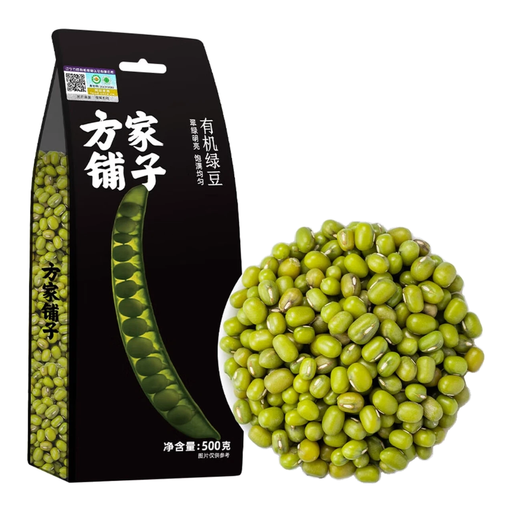
Why it's a great choice: Perfect for fans of healthy, natural eating. These whole beans are ideal for soups, salads, or for sprouting your own organic sprouts at home.
The Organic certification provides an objective guarantee, far more reliable than marketing slogans. The airtight packaging ensures optimal storage and preserves freshness.
Plump, uniformly sized beans. Relatively quick cooking time for whole beans. Highly versatile for healthy recipes.
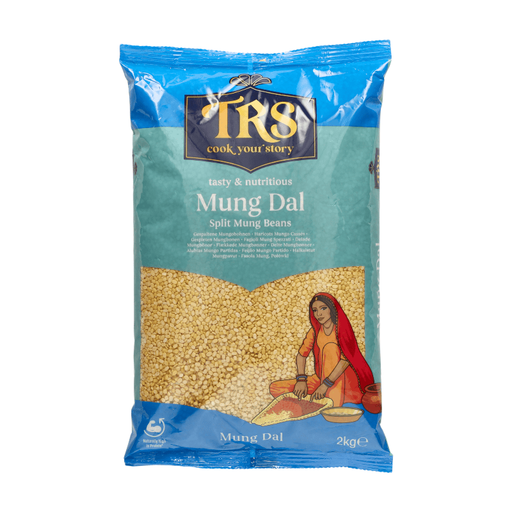
Why it's a great choice: The authentic ingredient for Indian food enthusiasts who want to perfect their dals, khichdis, and soups. The 2 kg format is very economical for frequent use.
The clear "Mung Dal" name (hulled beans) prevents any confusion with whole beans. You can be sure you're buying the right ingredient for a creamy dal.
Melts into a soft, velvety texture after cooking. Very short cooking time. Excellent value for money for heavy users.
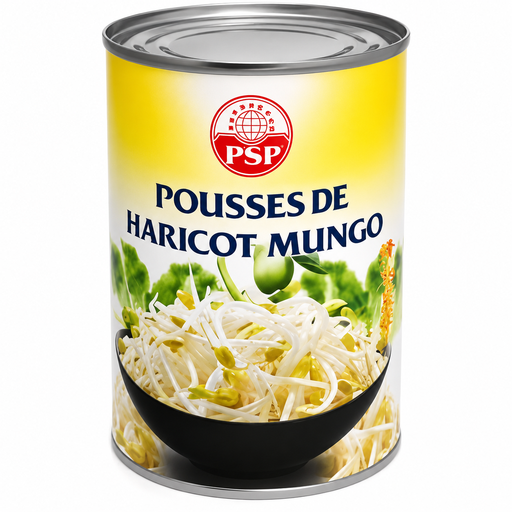
Why it's a great choice: The perfect solution for those short on time who don't want to sacrifice freshness and crunch. Ideal for an impromptu stir-fry, a quick salad, or as a garnish for ph? soup.
No need to embark on the sometimes long and unpredictable germination process. The result here is immediate, consistent, and completely effortless.
Ready to use after draining. Guaranteed crunchy texture and mild flavour. Long shelf life.
We have compiled a complete selection of products that meet our most demanding quality criteria.
For whole mung beans, soaking is not mandatory but is highly recommended. Soaking them for 2 to 4 hours (or overnight) in cold water significantly reduces cooking time and makes them easier to digest. For mung dal (hulled), a simple rinse under clear water or a short 30-minute soak is more than enough.
It couldn't be simpler! Rinse your whole mung beans, then soak them in a large volume of water for 8 to 12 hours. Drain them thoroughly and transfer them to a glass jar (covered with cheesecloth) or a sprouter. Place it away from direct light in a well-ventilated area. Then, simply rinse and drain the seeds 2 to 3 times a day. After 3 to 5 days, you'll have beautiful, crunchy sprouts!
Although both are legumes, they are not the same plant at all. The mung bean is small, round, olive green, and has a mild, almost sweet flavour. It's a star of Asian cuisines. The green lentil (like the Puy lentil, a staple in Western cuisine) is flatter, with a darker, marbled green colour, and its taste is earthier and more peppery. Their cooking times and culinary uses are therefore completely different.