
Livraison le jour même ou le lendemain

Qualité garantie

Débloquez vos offres de bienvenue: Livraison GRATUITE | Jusqu'à -80 % | 30 jours d'essai gratuits à JoyPlus
Téléchargez l'application
Mung bean vermicelli, also known as glass noodles or soy vermicelli, are an essential ingredient in many Asian cuisines. Their unique texture and ability to absorb flavours make them a perfect partner for soups, salads, and stir-fried dishes. But with an overwhelming selection available, it can be hard to navigate the options: composition, format, origin... how do you make the right choice?
As a product expert for Joybuy, my mission is to guide you. This guide offers our expert advice for choosing your vermicelli and presents a selection of products that stand out for their quality and popularity among food lovers.
Before you head to the kitchen with a mung bean vermicelli recipe, a few simple criteria will help you find the ideal product.
The term "soy vermicelli" can sometimes be misleading. Purists and connoisseurs swear by vermicelli made from 100% mung bean starch. These transparent soy noodles offer a unique texture that is both elastic and tender, holding its shape perfectly when cooked, even in broths.
You can also find vermicelli made from a blend of mung bean starch and other starches, such as pea or corn. Often more budget-friendly, they are perfect for everyday use, even if their texture is slightly different. It's all a matter of taste and the level of authenticity you're aiming for.
Mung bean vermicelli comes in different formats:
Also, consider the packaging. 500g packs are perfect for family use, while the more economical 1kg formats will appeal to large families or restaurant owners.
For those with an intolerance or following a gluten-free diet, these gluten-free vermicelli are an excellent alternative to wheat pasta. Vermicelli made from mung bean, pea, or sweet potato starch are naturally gluten-free. However, in cases of severe intolerance or celiac disease, always check the label to rule out any risk of cross-contamination.
Here is our selection of products, chosen for their quality and versatility.
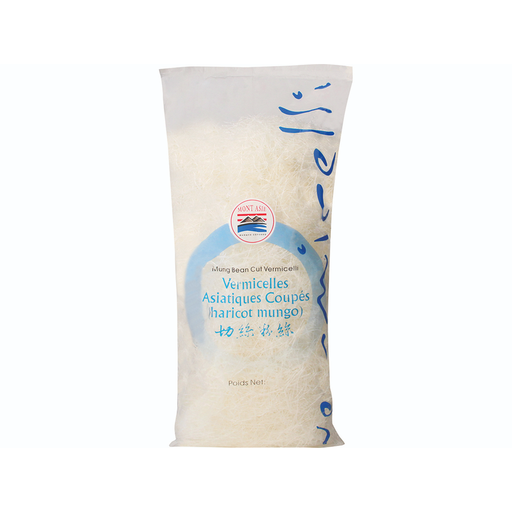
Why this product stands out: This product checks two essential boxes: an economical format and unbeatable convenience. Its blend of starches (pea, corn, and 10% mung bean) gives it a pleasant texture that is both smooth and firm. Already cut, these vermicelli are ready to use and can be incorporated into your soups, salads, or stir-fries in an instant.
Advantages:
Who is it for? For families, avid fans of Asian cuisine, and restaurateurs looking for a product that is both practical and economical.
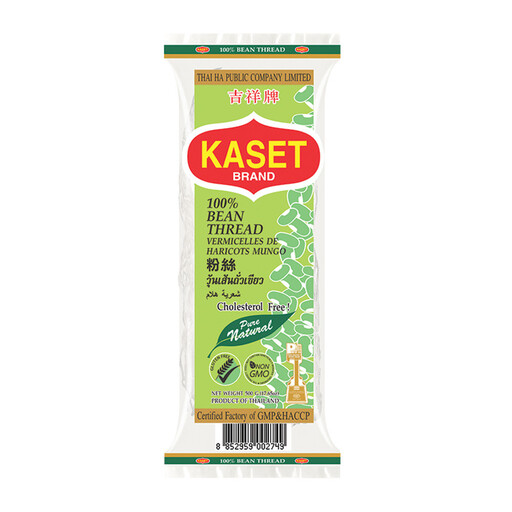
Why it stands out: Kaset is a brand renowned for the quality of its products. These vermicelli, made from premium mung bean starch, deliver that characteristically elastic and silky texture. It's the perfect choice for anyone seeking an authentic and versatile product.
Advantages:
Who is it for? For cooks, both amateur and professional, who don't compromise on ingredient quality and are looking for an authentic texture for their hot pots, woks, and salads.
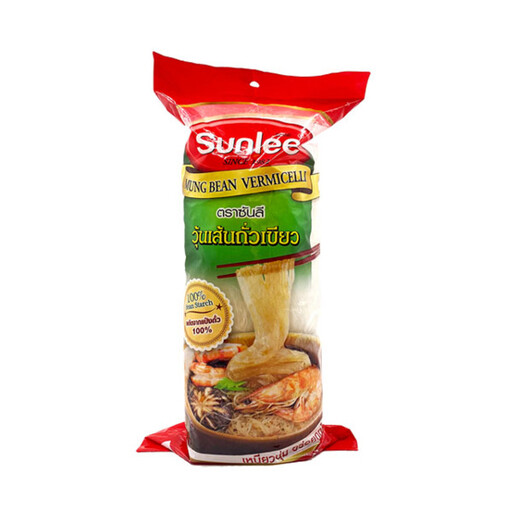
Why it stands out: The purist's choice. Made with 100% mung bean starch, these vermicelli are the epitome of the glass noodle. Their texture is remarkably transparent, fine, and elastic. This is the premium ingredient for dishes where the vermicelli is the star, like Chinese hot pot or the Korean salad Japchae.
Advantages:
Who is it for? For connoisseurs and Asian cuisine enthusiasts who demand the very best in terms of authenticity and texture.
Our selection is just a taste. The world of Asian noodles is vast! To discover other brands, formats, or types of vermicelli, feel free to explore our full department.
Discover all mung bean vermicelli
It's all in the base ingredient. Mung bean vermicelli are made from mung bean starch, which gives them their translucent appearance and elastic texture once cooked. In contrast, rice vermicelli, made from rice flour, remain white and opaque. Their texture is softer but less elastic.
Nothing could be simpler or faster. The classic method: soak them for 5 to 7 minutes in a large volume of hot (but not boiling) water until they soften and become translucent. Then, simply drain them well before using. For a soup, you can even add them directly to the broth a few minutes before serving.
Yes, if they are made solely from mung bean starch and water, they are naturally gluten-free. This makes them an excellent alternative for people with celiac disease or gluten sensitivity. However, always remember to check the label to confirm the exact composition, especially for products that blend several types of starches.