
Livraison le jour même ou le lendemain

Qualité garantie

Débloquez vos offres de bienvenue: Livraison GRATUITE | Jusqu'à -80 % | 30 jours d'essai gratuits à JoyPlus
Téléchargez l'application
Choosing multivitamins and minerals may seem simple… until you start comparing dosages, formats and the claims displayed on the packaging. A multivitamin supplement may suit an active person, a woman paying close attention to her iron intake or an adult over 50. But what works for one person is not necessarily right for another.
Before placing your order, there are three common pitfalls to watch out for.
A long list of vitamins and minerals does not guarantee that the product meets your needs. Start by checking the dosages per serving, the percentages of nutrient reference values (NRVs) and how often it should be taken.
Some formulas contain very high doses of vitamins B, E or C. This may be useful in certain cases, but a high concentration is not necessarily needed every day. Also check the recommended serving: taking three capsules a day is not the same routine as taking a single tablet.
The term ‘vegan multivitamins’ is not enough to confirm that a product matches all your preferences. Check whether it contains lactose, gluten, soya, caffeine, added sugars or sweeteners.
Anyone with allergies should consult the full ingredients list and the declared allergens. A vitamin drink may also contain carbohydrates and sugars, even when it is presented as a lighter option.
A bottle containing 400 tablets may prove economical, but only if you are comfortable taking it every day. Conversely, a liquid supplement or ready-to-drink bottle may be more suitable for people who travel, work outdoors or dislike swallowing tablets.
The right choice is therefore the one that genuinely fits into your routine: tablet, capsule, liquid dose or vitamin-enriched drink.
Start by identifying the nutrients actually included. A general formula may combine vitamins A, C, D, E and K, a B-vitamin complex, iron, zinc, magnesium, calcium, selenium and iodine. However, requirements vary according to age, sex, diet and the recommendations of a healthcare professional.
In multivitamins for women, iron and folic acid are often prioritised. Multivitamins for men and products intended for adults over 50 may focus on different balances of vitamin D, vitamin B12, magnesium and iron. These descriptions do not replace medical advice, particularly if you are taking medication or have a diagnosed deficiency.
A vegan formula should specify the origin of the relevant ingredients. The presence of lichen-derived vitamin D3, a plant-based capsule shell or the absence of animal-derived ingredients can make all the difference.
To choose a gluten-free supplement, look for an explicit statement and check warnings such as ‘may contain’. Certification or detailed manufacturer information is more reliable than a simple marketing claim.
Compare the number of servings with the total price. A bottle containing 365 or 400 tablets may last for a long time when taking one per day, while a 30-tablet format makes it easier to adjust your routine.
Liquid products often need to be refrigerated after opening. Drinks generally need to be consumed quickly once opened. Also check the storage instructions and the best-before date shown on the packaging.
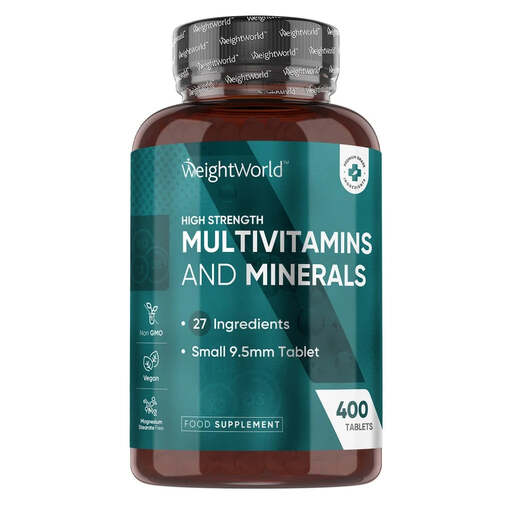
Why this choice suits this profile: The recommended dose of one tablet a day and a bottle containing 400 tablets make it easy to calculate the cost per serving while establishing a sustainable routine.
The composition and dosages are detailed for each tablet, rather than being presented as a simple general list of nutrients.
27 vitamins and minerals listed, 9.5 mm tablets, with a formula presented as vegan and gluten-free.
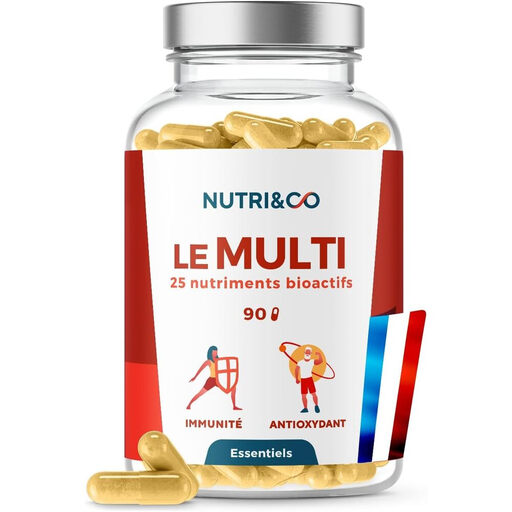
Why this choice suits this profile: This formula is aimed at consumers who want to look beyond the label and find out more about the forms of vitamins, cofactors and ingredient traceability.
The product information states a serving of three capsules, as well as the absence of iron and copper, making it easier to compare transparently with other formulas.
25 nutrients listed, vegan and gluten-free formula, vitamins D3 and E, zinc, magnesium and vitamin K2.
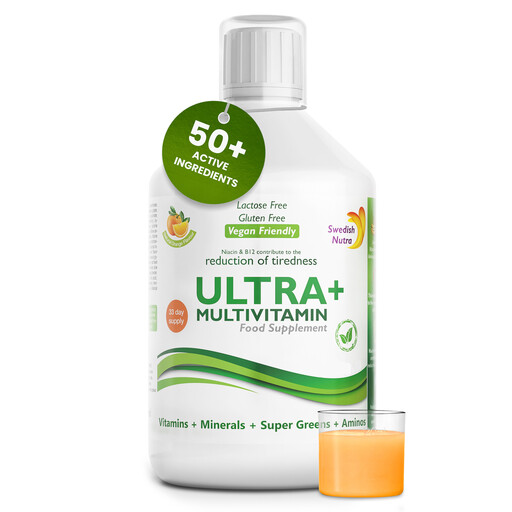
Why this choice suits this profile: With its 15 ml liquid dose, this supplement may suit adults who avoid tablets and want to incorporate their daily dose easily into their morning routine.
The dose, approximate duration of use for the bottle and storage conditions after opening are clearly specified. However, the caffeine content should be taken into account.
Vegan format, gluten- and lactose-free, orange flavour, 500 mg of vitamin C and 48 mg of vitamin E per dose according to the product information.
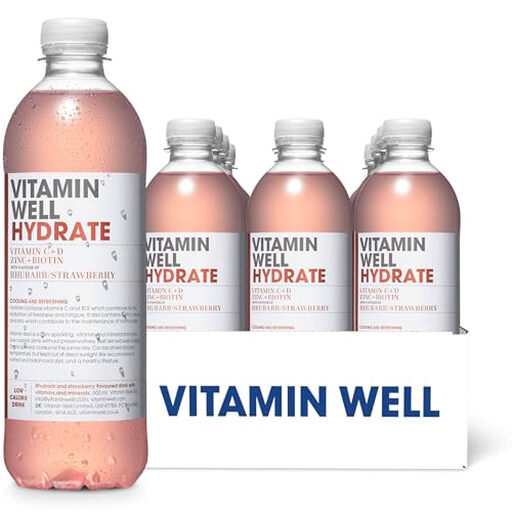
Why this choice suits this profile: The individual bottles slip easily into a bag and can be taken to the office, on the go or after physical activity.
The nutrition information states 16 kcal and 3.9 g of sugars per 100 ml: this data helps you estimate your total intake rather than relying solely on the term ‘vitamin drink’.
Pack of 12 × 500 ml bottles, vitamins C, E and B12, biotin, zinc and refrigeration after opening.
We have brought together a comprehensive, real-time selection of products that meet these demanding criteria and European safety requirements.
Yes, provided you follow the dose stated on the packaging. Avoid combining several products containing the same nutrients without checking your total intake. If you are pregnant, have a chronic condition or are taking medication, ask a healthcare professional for advice.
Tablets are suitable for simple routines and larger pack sizes. Capsules may be preferable for certain specific formulas. Liquid makes taking supplements easier for people who dislike swallowing tablets, but it requires you to measure the dose accurately and follow the storage instructions after opening.
Calculate the price per day, not just the price of the bottle. Divide the price by the number of servings: 400 tablets taken at one per day cannot be compared directly with 90 capsules requiring three daily doses, or with a pack of individual drinks.