
Livraison le jour même ou le lendemain

Qualité garantie

Débloquez vos offres de bienvenue: Livraison GRATUITE | Jusqu'à -80 % | 30 jours d'essai gratuits à JoyPlus
Téléchargez l'application
Choosing a multivitamin food supplement might seem straightforward: a few vitamins, a promise of renewed energy and an easy-to-take format. Yet the formulas are far from equal. A long list of ingredients doesn't necessarily mean the product meets your needs, while a supplement that's pleasant to take can also contain a significant amount of sugar.
Before you place an order, focus on the intake per dose, the format, the usage precautions and the actual duration of use. Here are the criteria to examine when comparing multivitamins and minerals available in the UK, without being swayed by marketing claims alone.
A list of 20 or 30 nutrients can give the impression of complete coverage. However, it doesn't guarantee that each intake matches your diet, your age or your situation. First, compare the quantities stated for a daily dose, as well as the percentage of NRVs (Nutrient Reference Values) used across the European Union.
Formulas designed for women, men or people aged 50 and over may adjust the dosages of vitamin D, iron, calcium, magnesium or vitamin B12. These differences should be clearly shown in the nutritional table, not just in the product name.
Multivitamin gummies are easy to chew and can suit those who don't like swallowing tablets. However, their production often relies on sugar or glucose syrup. If you take them every day, check the amount present in each serving.
Also stick to the recommended dose. Their fruity taste might tempt you to take more, but exceeding the stated portion doesn't necessarily improve your nutritional intake.
Liquid multivitamins can simplify taking for adults who struggle to swallow capsules. However, their texture alone doesn't prove they are better absorbed. Examine the composition, the recommended dose — 15 ml or another measure —, any added sugar or caffeine, and the storage conditions after opening.
Don't stop at the values stated "per tablet" or "per gummy". Some products require two gummies, three capsules or one scoop per day. For a multivitamin food supplement, check in particular:
A formula containing iron isn't automatically suitable for everyone. Vitamin K may also warrant medical advice if you are on certain medication.
The number of servings helps you estimate the daily cost. A box of 120 gummies taken at two per day covers 60 days. Conversely, a bottle of 90 capsules taken at three per day represents only 30 days of use.
Tablets, capsules, gummies or liquid: the right choice depends mainly on your ability to stick with it. A format that's easy to incorporate into breakfast or lunch will often be more practical than a complicated formula that ends up forgotten at the back of a cupboard.
If you're looking for vegan multivitamins or gluten-free options, check the exact claims on the packaging and the ingredients list. The presence of gelatine, soya, lactose or other declared allergens can vary from one product to another.
Food supplements are not a substitute for a varied and balanced diet. Pregnant or breastfeeding women, people on medication, those with a thyroid condition and children should seek advice from a healthcare professional before use. For younger users, a minimum age and adult supervision are essential.
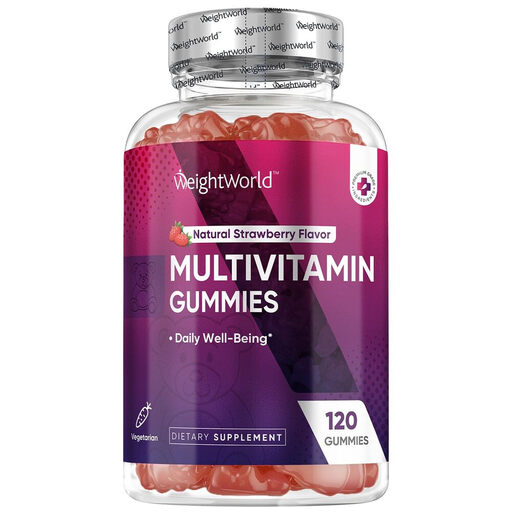
Why this choice suits this profile: At two gummies per day, this formula provides 13 vitamins and minerals, including vitamins C, D3, B6 and B12, as well as zinc and iodine. The chewable format makes it easy to incorporate the supplement into a daily routine.
The dose and NRV percentages are detailed for each serving. However, be mindful of the sugar content and do not exceed two gummies per day.
120 gummies, a pectin-based formula and 13 nutrients per daily dose.
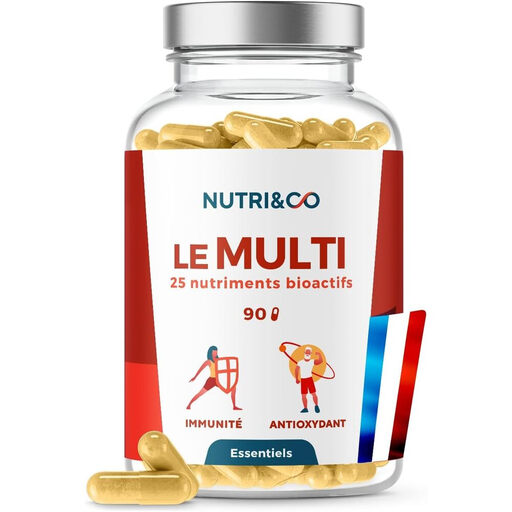
Why this choice suits this profile: Vegan and gluten-free, this formula provides 25 nutrients, including vitamins C, D3, E and K2, as well as zinc and magnesium. The recommended dose is three capsules per day.
The absence of iron and copper is clearly stated. A useful detail to avoid duplication with another supplement, but one that should prompt you to check your personal needs.
90 capsules, plant-based ingredients and a dosage designed for three capsules per day.
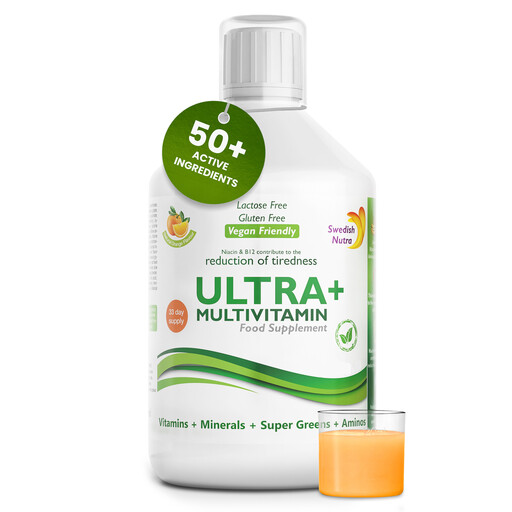
Why this choice suits this profile: With its 15 ml dose, this liquid format can suit vegan adults who prefer to avoid tablets. The formula contains vitamins C, D3, B and K2, as well as zinc and selenium.
The dose is precisely stated, along with an important warning: each serving contains 63 mg of caffeine. This product is therefore not suitable for children, adolescents, or pregnant or breastfeeding women.
500 ml bottle, vegan formula, gluten-free and lactose-free, to be stored in the fridge after opening.
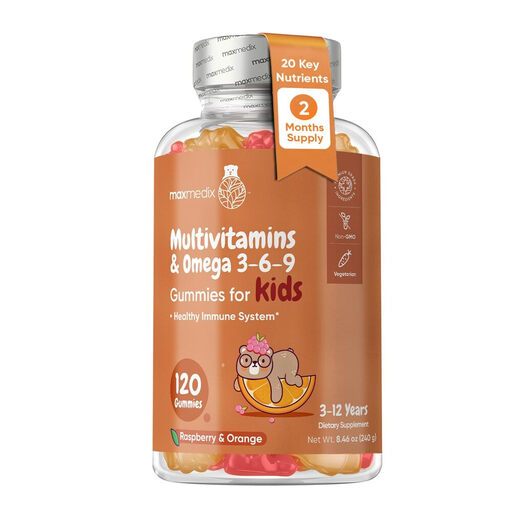
Why this choice suits this profile: One gummy per day is intended for children aged 4 and over, under adult supervision. Made with pectin, the formula is stated to be gelatine-free and suitable for a vegan diet.
The minimum age, the one-gummy dose and the choking risk are clearly stated. The product must be kept out of reach of children.
120 gummies, with vitamins A, C, D3, E, B6 and B12, as well as zinc and iodine per serving.
We've put together a comprehensive, real-time updated selection of products that meet these demanding criteria and European safety regulations.
It depends on the formula, your diet and your personal situation. Follow the dose and duration stated on the packaging. For prolonged use — particularly with iron, vitamin A, vitamin D or iodine — seek advice from a pharmacist or doctor.
No. They can supplement your intake in certain situations, but they do not replace fruit and vegetables, protein sources or a varied diet. Phrases like vitamins for immunity or vitamins for fatigue should be interpreted in light of authorised nutrition claims. They are in no way a promise of treatment.
Choose the one you can take consistently. Tablets and capsules often avoid the sugar found in gummies, while the latter are easier to chew. Liquid can suit people who don't like swallowing tablets, but check the dose to measure, the sugar and caffeine content, and the storage conditions after opening.