
Livraison le jour même ou le lendemain

Qualité garantie

Débloquez vos offres de bienvenue: Livraison GRATUITE | Jusqu'à -80 % | 30 jours d'essai gratuits à JoyPlus
Téléchargez l'application
Choosing multivitamins is not simply a matter of counting the number of nutrients shown on the packaging. From tablets, gummies and liquid formulas to food supplements designed for men, women or people over 50, the differences can be significant.
Some common pitfalls crop up when buying:
Start by checking the recommended serving, rather than the total number of tablets or gummies in the bottle. Check the quantities of vitamins and minerals provided per serving, as well as the percentage of NRV, meaning the Nutrient Reference Values used in the European Union.
A daily formula may contain vitamins A, C, D, E and K, several B vitamins, as well as zinc, magnesium, calcium, iodine or selenium. However, the right choice depends on your eating habits. A formula enriched with iron, for example, is designed to meet different needs from a product that contains none.
Statements indicating a contribution to reducing tiredness or supporting the normal function of the immune system should be understood as authorised nutrition claims, provided that the product reaches the required regulatory levels. They are not a medical promise.
Tablets suit people looking for a simple routine, generally involving one unit per day. Multivitamin gummies are often more pleasant to chew, but they frequently contain glucose syrup or sugar. You must also stick to the recommended number, as their flavour may tempt you to exceed the suggested dose.
Liquid multivitamins may suit adults who find tablets difficult to swallow. Check the daily measure, storage conditions after opening and whether the product contains sugar, sweeteners or caffeine. A supposedly “faster” absorption rate should not automatically be considered an advantage without precise, comparable evidence.
A formula for adults is not automatically suitable for children. For children’s vitamins, check the minimum age, the dosage per gummy and whether they need to be taken under adult supervision. The maxmedix product featured in this selection is indicated for children aged 4 and over, at a rate of one gummy per day, and it must not be swallowed whole.
If you follow a vegetarian or vegan diet, look for clear information about gelatine, ingredients of animal origin and allergens. Some formulas also state that they are gluten-free or lactose-free. This is a practical factor that can help narrow down your selection, but it does not remove the need to read the full ingredients list.
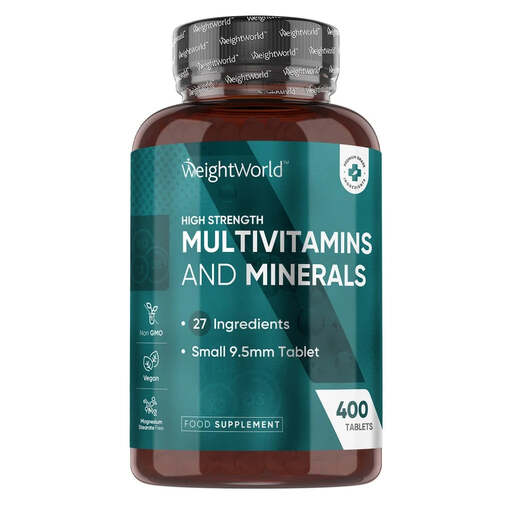
Why this choice suits this profile : The stated serving of one tablet per day and a bottle containing 400 units suit anyone looking to establish a regular routine without having to reorder too often.
The ingredients and values per tablet are clearly detailed. This allows you to compare the actual dose provided, rather than focusing solely on the number of nutrients advertised.
400 tablets, formula indicated as vegan, gluten-free and lactose-free, with a daily serving limited to one unit.
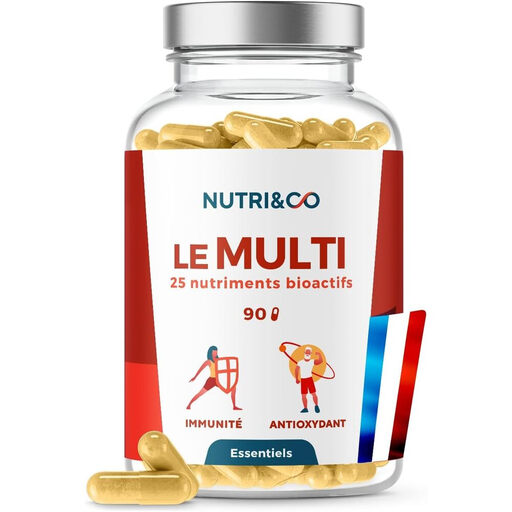
Why this choice suits this profile : Consumers who want to know the form of the nutrients used and where the product is made will find a detailed formula here, designed for adults.
The product information specifies a serving of three capsules and confirms that it contains no iron or copper. This helps you avoid assuming that a universal formula will suit everyone.
25 nutrients advertised, vitamins D3 and K2, zinc and magnesium, plus a vegan formula made by a French company.
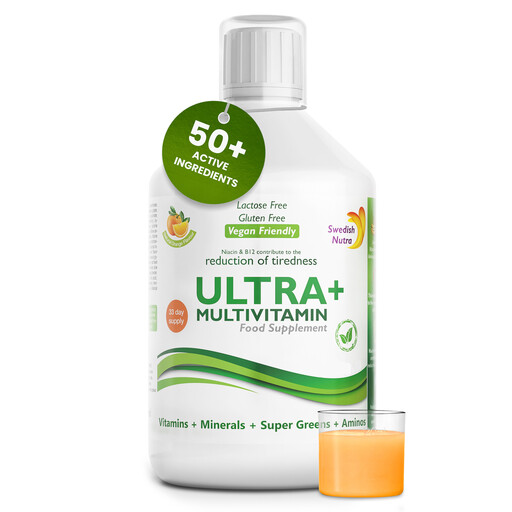
Why this choice suits this profile : The liquid format may suit vegan adults or those who prefer to avoid tablets, with a measured 15 ml serving.
The product information clearly states that each serving contains 63 mg of caffeine and specifies the refrigeration requirements after opening.
500 ml, providing approximately 33 servings, with a gluten-free and lactose-free vegan formula and a serving size suited to people who do not enjoy tablets.
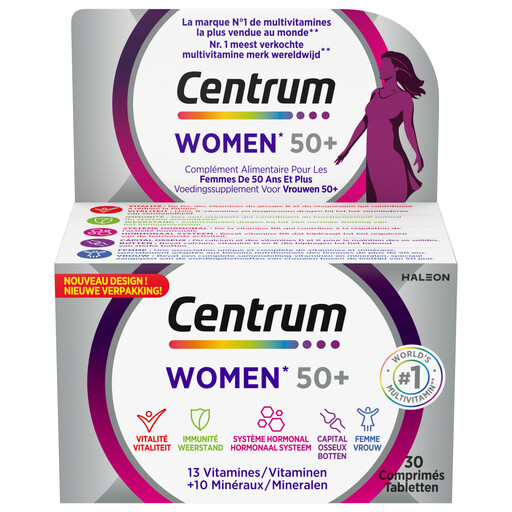
Why this choice suits this profile : This formula is specifically aimed at women aged 50 and over, with particular attention paid to vitamins D and B12, calcium and vitamin K.
The target age and quantities per tablet are clearly stated, helping you avoid choosing a general formula that does not match your profile.
One tablet per day, 15 µg of vitamin D, 340 mg of calcium and 7.5 µg of vitamin B12 per serving, according to the product information.
We have put together a complete, real-time updated list of products that meet these strict selection criteria and European safety regulations.
Multivitamins for men may focus on a general formula without adding numerous targeted ingredients. The Centrum Men product, for example, provides 13 vitamins and 10 minerals, with a stated serving of one tablet per day.
Multivitamins for women may contain more iron than some formulas intended for men. This does not necessarily mean that every woman needs additional iron. Compare the composition with your diet and ask a healthcare professional for advice if you are unsure.
For multivitamins for people aged 50 and over, check the levels of vitamins D and B12, calcium and vitamin K in particular. If you are taking medication, ask about possible interactions, especially with vitamin K or iodine.
For children aged 4 and over, intake should always be supervised by an adult. Gummies must be kept out of their reach and should never replace a varied diet.
The duration depends on the formula, the dose and your personal circumstances. Follow the dose stated on the packaging and avoid combining several supplements containing the same vitamins or minerals without seeking advice first. A bottle of 400 tablets allows for prolonged use, while a 30-tablet format makes it easier to try a product for the first time.
The format alone is not enough to determine a product’s nutritional value. Compare the quantities per serving, ingredients, sugar content and storage conditions. Gummies can make taking a supplement more enjoyable, but they should be chewed as instructed and must not be eaten like sweets.
Certain B vitamins, magnesium or iron can contribute to the normal functioning of energy metabolism or to the reduction of tiredness when the regulatory conditions are met. This does not guarantee that everyone will feel more energetic. Sleep, diet and physical activity remain the foundations of good daily energy.