
Livraison le jour même ou le lendemain

Qualité garantie

Débloquez vos offres de bienvenue: Livraison GRATUITE | Jusqu'à -80 % | 30 jours d'essai gratuits à JoyPlus
Téléchargez l'application
A multi-surface cleaner can make cleaning your home, office or hotel considerably easier. But behind the ‘universal’ label, not all products are created equal. No-rinse spray, scouring cream, deodorising powder or concentrated degreaser: each has its preferred surfaces and its own usage requirements.
So before filling your cupboard, don’t focus solely on the fragrance or promises printed on the label. The ingredients, format and usage precautions matter just as much.
The words ‘all surfaces’ do not mean that a product can be used blindly on any material. Marble, screens, painted surfaces, varnished wood and certain plastics may react differently to an acidic, alkaline or abrasive formula.
Start by reading the manufacturer’s recommendations and test the product on an inconspicuous area. To clean a screen or electronic device, always spray the product onto the cloth — never directly onto the device — and unplug it beforehand.
A small spray is convenient for everyday touch-ups, but it can quickly become expensive if you clean several rooms every day. Conversely, a 5-litre container requires enough storage space and careful dosing.
Compare the volume, the stated number of doses and whether the product can be diluted. A professional or concentrated format may be more cost-effective for a large family, office or cleaning team, provided you follow the instructions carefully.
A lemon, eucalyptus or pine fragrance makes cleaning more pleasant, but on its own it says nothing about how effective the product is against grease. Similarly, claims such as ‘natural’, ‘eco-friendly’ or ‘no-rinse’ should be checked against the label, ingredients and any relevant certifications.
An eco-friendly cleaner may come in recyclable packaging or carry an environmental label. Another product may simply highlight an ingredient of natural origin. These two claims are not necessarily equivalent.
In the kitchen, check that the product can tackle grease and food residue. A multi-purpose degreaser can be used neat on stubborn stains, but food-contact surfaces must be rinsed whenever the label specifies this.
In the bathroom, choose a formula designed for soap marks, mineral deposits and tiled surfaces. For furniture, mirrors and screens, it is better to choose a product that minimises streaks and contains no abrasives.
Cleaning products sold in France must display the safety information required by the European CLP Regulation where applicable: hazard pictograms, hazard statements and precautionary statements. The European regulation on detergents, particularly Regulation (EC) No 648/2004, also governs certain information shown on the relevant products.
Keep products out of children’s reach, avoid contact with the eyes and wear gloves whenever recommended by the manufacturer. Never mix different household products, particularly a chlorine-based product with a limescale remover.
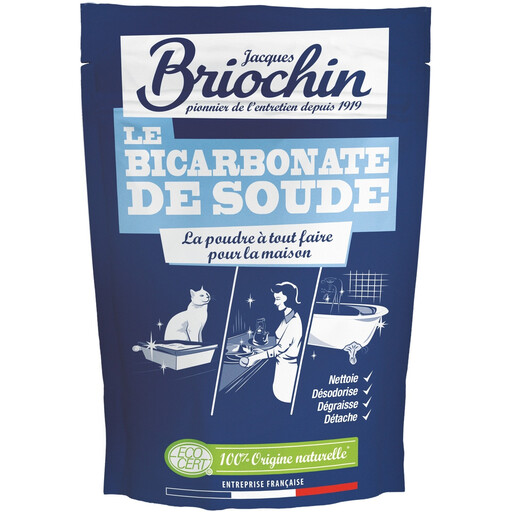
Why this choice suits this profile : The powder format lets you prepare a paste or solution according to your needs, while also working as a surface deodoriser.
Its versatility means you do not need to buy a separate cleaner, degreaser and deodoriser.
A 450 g powder, advertised gentle abrasive action and suitability for both cleaning and odour neutralisation.
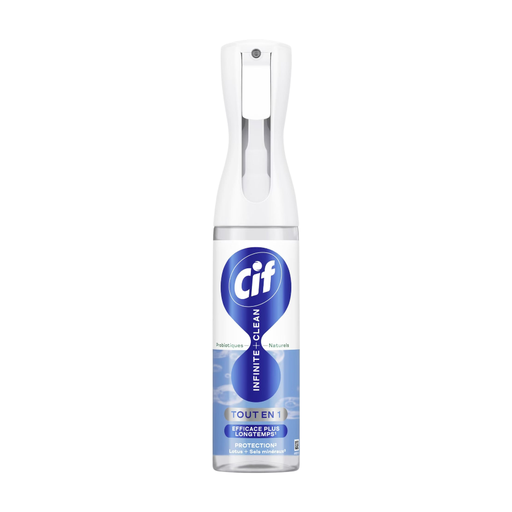
Why this choice suits this profile : This spray offers a fine mist, a lotus fragrance and no-rinse use on compatible surfaces.
The instructions recommend testing delicate surfaces and avoiding saturation of fabrics, reducing the risk of incorrect application.
A 280 ml format, manufacturer-advertised probiotic technology and suitability for use on several surfaces after wiping.
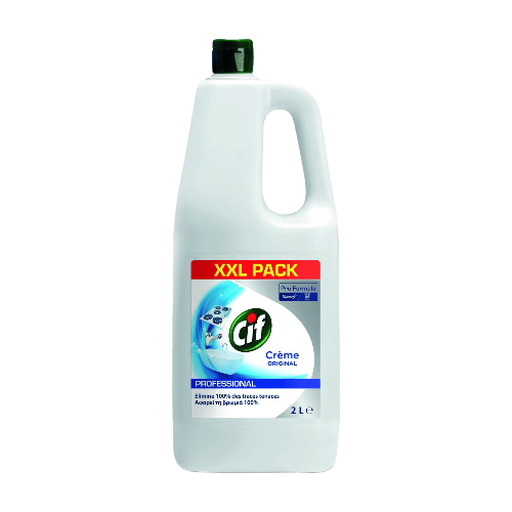
Why this choice suits this profile : Its 2-litre container meets the needs of frequent cleaning in a demanding household, office or professional environment.
The professional volume avoids the need for multiple small containers, while the rinsing instruction clearly explains how to use it.
A 2-litre cream to apply to a cloth or damp sponge, with easy rinsing advertised and a formula presented as non-scratch.
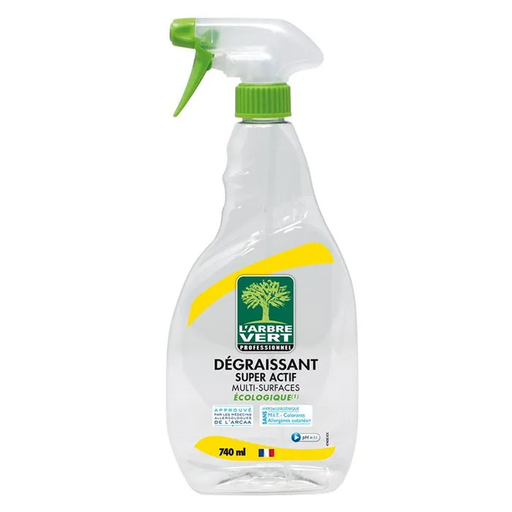
Why this choice suits this profile : It is aimed at people looking for a degreaser for washable surfaces, with environmental information clearly highlighted.
The product information mentions the EU Ecolabel, the absence of dyes and phosphonates, as well as recyclable packaging — all details to check on the packaging.
A 740 ml volume, the option to use it neat on heavy soiling and surfactants advertised as biodegradable in accordance with the regulation on detergents.
We have put together a complete, real-time updated list of products that fully meet these strict selection criteria and European safety regulations.
Start by removing dust and dry residue. Then apply the recommended amount: using more will not necessarily make cleaning faster and may even leave a film on the surface.
In both the kitchen and bathroom, observe the stated contact time. Rinse food-contact surfaces whenever the label specifies this. On a delicate material, use a soft cloth and avoid abrasive sponges, even if the all-surface cleaner is presented as non-scratch.
Close a container of concentrate after every use and store it away from heat. In a professional setting, label diluted solutions and keep the safety data sheets available to the relevant staff.
Not necessarily. First consult the screen manufacturer’s instructions. If the product is compatible, apply it to a microfibre cloth — never directly onto the device — then wipe gently. A no-rinse spray may help minimise marks, but it does not replace the precautions required for each piece of equipment.
For occasional use, a 280 to 750 ml spray keeps storage requirements to a minimum. If you clean several rooms regularly, a 1 to 5-litre concentrate or a 2-litre cream may reduce the number of purchases. Compare the price per dose, the amount required and whether rinsing is necessary.
No. A versatile product may remove some mineral marks, but it is not necessarily designed to tackle thick limescale. Check the compatible materials and choose a product specifically indicated for descaling if that is your main requirement.