
Livraison le jour même ou le lendemain

Qualité garantie

Débloquez vos offres de bienvenue: Livraison GRATUITE | Jusqu'à -80 % | 30 jours d'essai gratuits à JoyPlus
Téléchargez l'application
A multi-purpose cleaner can make household cleaning much easier, but not every product meets the same needs. A formula designed for floors may not be suitable for a hob, while a surface disinfectant must be left for a specific contact time to be used in accordance with its instructions.
The right choice mainly depends on the level of dirt, the materials to be cleaned and how often the product will be used. Here are the key criteria to consider, so you can avoid unsuitable purchases and choose a cleaning product that genuinely fits your everyday routine.
A multi-surface cleaner removes visible dirt, but that does not automatically mean it disinfects. A claim such as ‘antibacterial’ or ‘hygiene’ should not be confused with a biocidal claim, which comes with specific standards and conditions of use.
For disinfection, check in particular:
A kitchen degreaser can remove baked-on grease without necessarily being suitable for floors or delicate surfaces.
Bicarbonate of soda, black soap and household vinegar are valued for their versatility. However, a naturally derived formula is not a substitute for checking the usage precautions. Vinegar can, for example, damage certain natural stones, while an abrasive powder may scratch a glossy surface.
An eco-friendly household product should therefore be assessed according to its ingredients, packaging, dosage and intended use, rather than on the basis of a single marketing promise.
A large-format professional cleaner can reduce the cost per use, but it also takes up more space and may need to be diluted. In a flat or for occasional use, a 750 or 800 ml spray bottle will often be more practical. Conversely, a large family, association or public organisation may benefit from a 5-litre container.
Before using a floor cleaner or a product intended for the kitchen, identify the materials involved: tiles, stainless steel, glass, varnished wood, natural stone, screens or painted surfaces. Claims such as ‘washable surfaces’ and ‘hard surfaces’ remain general; the label may specify which materials the product is not recommended for.
On a delicate surface, always apply a small amount to an inconspicuous area first. For a screen, spray the product onto the cloth, never directly onto the device. Surfaces that come into contact with food may need to be rinsed with drinking water.
A spray bottle is suitable for localised stains and helps limit the amount used. Gel stays on vertical or greasy dirt for longer. A cleaning cream is applied with a damp sponge and can tackle stubborn deposits. Powders, meanwhile, are mixed with water to form a solution or paste.
Also check:
Surfactants help loosen dirt. Fragrances can make the product more pleasant to use, but certain perfuming substances may cause a reaction in sensitive people. Bleach and chlorine-based agents require particular care.
Never mix a product containing bleach with vinegar, an acidic product, ammonia or another cleaner. Dangerous gases could form. Wear gloves where recommended on the label, ventilate the room and keep products out of the reach of children and animals.
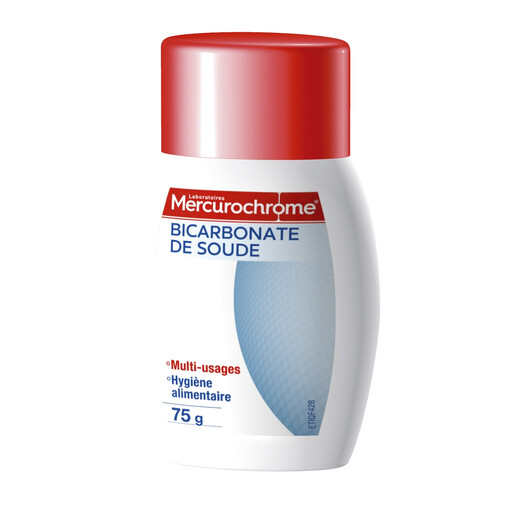
Why this choice suits this profile : Its small pack size is ideal for discovering bicarbonate of soda for cleaning, deodorising and certain food uses specified on the packaging.
It does not claim to replace every product category: its uses are straightforward, with a dilution or paste to prepare depending on the task.
Bicarbonate powder, 75 g format and manufacture stated as being in France on the product page.
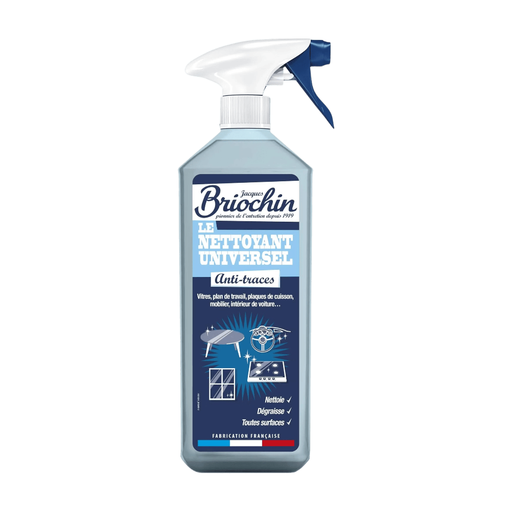
Why this choice suits this profile : This spray is designed for people who want to clean furniture, windows, mirrors, worktops and varnished surfaces with one ready-to-use product.
The product page details the precautions to take on screens and the need to rinse food-contact surfaces, so its versatility remains within clear limits.
750 ml spray format, formula without artificial colouring and anti-streak action.

Why this choice suits this profile : The 5-litre container is suitable for a very busy household, a professional premises or an organisation that regularly cleans large surfaces.
The product page clearly distinguishes cleaning from disinfection and requires you to follow the dilution and contact time stated on the label.
Bleach-free formula, 5 L volume and compliance stated for EN 13697, EN 1650 and EN 14476 standards according to the product page.
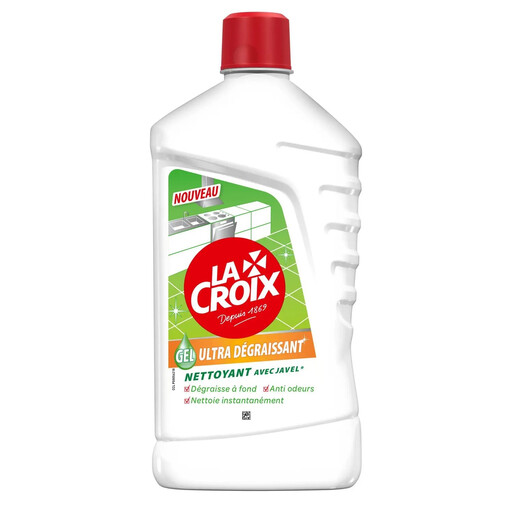
Why this choice suits this profile : Its gel texture is designed to tackle stubborn grease on cookers, oven racks, barbecues and cooker hoods.
The presence of bleach is clearly stated: this product must not be presented as a simple everyday cleaner or mixed with other products.
Clinging gel, 1 L volume and mandatory rinsing on surfaces that come into contact with food.
We have put together a complete, real-time updated selection of products that meet these demanding criteria and European safety rules.
A concentrated product should be dosed according to the label instructions: using more does not guarantee better cleaning and may leave residue. For everyday cleaning, start with the recommended dilution and only increase the dose if the level of dirt requires it.
Keep products in their original packaging, close caps carefully and store chlorine-based products away from acidic products. A clean cloth and regularly refreshed water often improve the result just as much as changing the formula.
Not necessarily. A multi-surface product may be suitable for several washable materials, but screens, untreated wood, natural stone and surfaces that come into contact with food require special precautions. Check the label and test the product on an inconspicuous area.
The former mainly removes dirt. The latter contains an active substance intended to provide a specific biocidal action, with a contact time and conditions of use that must be followed. Disinfection is only necessary when the situation calls for it.
It can be if you regularly clean large surfaces or if the product is diluted. For moderate use, compare the price per litre, the storage space required and the shelf life stated on the packaging before making your decision.