
Livraison le jour même ou le lendemain

Qualité garantie

Débloquez vos offres de bienvenue: Livraison GRATUITE | Jusqu'à -80 % | 30 jours d'essai gratuits à JoyPlus
Téléchargez l'application
A multi-purpose cleaner can make it much easier to look after your kitchen, bathroom, floors and washable surfaces. However, a product marketed as versatile is not necessarily suitable for every material or cleaning task. A formula that is highly effective against grease may leave marks on glass, while a disinfectant cleaner often requires a specific contact time.
Before you reach the checkout, it is therefore worth looking beyond the claims on the packaging and checking three essential points: surface compatibility, instructions for use and the format that genuinely suits your cleaning routine.
A household cleaner can remove dirt perfectly well without disinfecting. Conversely, a disinfectant cleaner must be used exactly as stated on its label, particularly with regard to dilution and contact time.
Claims such as “antibacterial” or “kills up to 99.9%” are not a guarantee for every surface or situation. If you are looking for disinfecting action, check the permitted uses and the standards shown on the packaging, such as EN 13697, EN 1650 or EN 14476, where applicable.
Marble, natural stone, untreated wood, screens and certain varnished surfaces may not tolerate acidic, abrasive or overly concentrated products. Even with a cleaning spray marketed as multi-purpose, always test it on an inconspicuous area first, especially when dealing with a delicate material.
The presence of household vinegar, solvents, fragrance or mildly abrasive agents is not necessarily a drawback: it all depends on the compatibility between the formula and the surface being cleaned.
A small ready-to-use bottle is very convenient for everyday touch-ups, but it can become expensive when cleaning large areas. Conversely, a 5 L container takes up space and may require safe decanting. For a business premises, a large home or frequent cleaning, compare the volume, concentration and amount used for each cleaning session.
Start by deciding what you mainly want to clean:
A product advertised for washable surfaces is not automatically suitable for screens, unfinished wood or limestone.
The spray format is particularly practical for worktops, handles, sinks and small surfaces. It reduces handling, but its volume is generally limited. A concentrated or large-format container will be more cost-effective for floors, communal areas and intensive use, provided you follow the stated dilution instructions carefully.
Powders such as bicarbonate of soda are useful for preparing a paste or solution. However, they may require rinsing if specified by the manufacturer. In all cases, test the product first on an inconspicuous area.
Always read the label before using a product. Wear gloves in the event of prolonged contact, ventilate the room and keep products out of the reach of children. Never mix a product containing bleach with household vinegar, an acidic limescale remover or another cleaner.
For surfaces that come into contact with food, check whether rinsing with drinking water is required. Never decant a product into a food container: its original packaging and label must remain easy to identify.
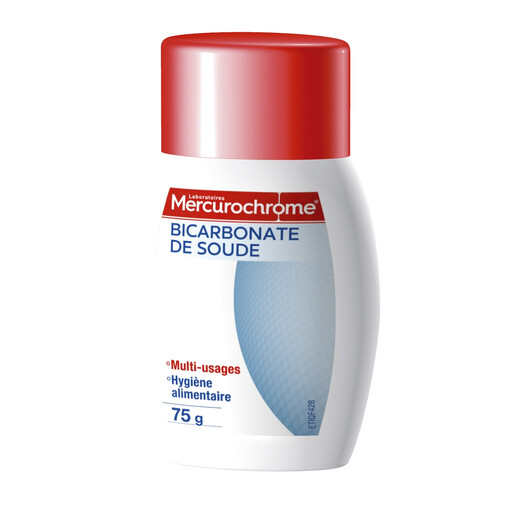
Why this choice suits this type of user : this small format is a convenient way to try bicarbonate of soda for cleaning, deodorising and certain food-related uses without investing in a large pack.
The product information details the different uses and recommends testing it on a small hidden area before starting to clean.
A versatile 75 g powder, made in France, for preparing a paste or solution.
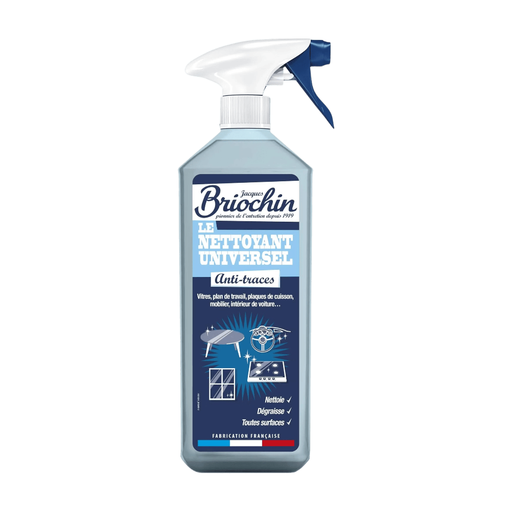
Why this choice suits this type of user : its ready-to-use format and stated suitability for glass, mirrors, furniture and certain delicate surfaces meet the expectations of anyone who wants an immaculate home.
The instructions recommend spraying the product onto a cloth when using it on a screen, and rinsing surfaces that come into contact with food.
A 750 ml spray, a formula advertised as free from artificial colourants and streak-free cleaning without rinsing for the intended uses.

Why this choice suits this type of user : with its 5 L container, this product is suitable for households that clean frequently as well as professional environments looking for a reserve-size format.
The product information distinguishes between cleaning and disinfection, mentions European standards and refers you to the label for dilution and contact time.
A bleach-free formula, lemon fragrance, a 5 L volume and stated suitability for floors and surfaces, subject to following the label instructions.
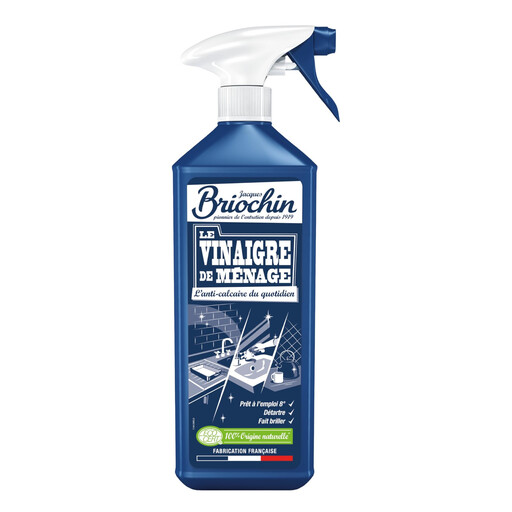
Why this choice suits this type of user : this household vinegar spray is designed for everyday kitchen and bathroom tasks, including limescale marks on surfaces that are compatible with an acidic formula.
The product information recommends testing it on an inconspicuous area and advises caution with delicate surfaces, particularly certain natural stones.
A ready-to-use 750 ml spray, stated effectiveness against limescale and manufacture in France.
We have compiled a complete, real-time selection of products that meet these demanding criteria as well as European safety regulations.
Yes, provided the label allows it. For floors, follow the recommended dilution and avoid soaking sensitive flooring. On windows and mirrors, choose a streak-free formula and spray it onto the cloth when advised by the manufacturer.
Household vinegar is mainly used to dissolve certain mineral deposits and make compatible surfaces shine. It should not be considered a universal disinfectant. A disinfectant cleaner contains specific active substances and must be used in accordance with its label, and should never be mixed with bleach.
For a few surfaces and daily use, a 750 ml spray is generally the most convenient option. For floors, large rooms or professional use, a 5 L container can reduce how often you need to shop. However, compare the price per litre, required dilution and storage conditions before making your decision.