Parents serving several lunches in a hurry
If everyone eats together, a 1 L carton can be divided between several bowls. If you only want to open one or two portions, a multipack of small cartons is better suited to the job.


For school-holiday lunches, choose the pack size according to how many portions you’ll be serving at once. Small cartons let you open portions separately, while a 1 L carton is suitable when several people are eating at the same time and you’ll use the leftovers in line with the storage instructions. Dehydrated sachets need hot water; neither sachets nor cartons are metal tins. If you specifically need tins for your stock cupboard, check the product listing carefully.
If everyone eats together, a 1 L carton can be divided between several bowls. If you only want to open one or two portions, a multipack of small cartons is better suited to the job.
Dehydrated sachets offer a different way to organise mealtimes. They’re made as needed, but require hot water and aren’t ready-to-pour liquid soups.
Your choice also depends on the ingredients in the exact product and how much you’ll use after opening. A vegetable soup can contain allergens, while an opened large pack needs to be stored according to the instructions on its packaging.
First decide how many portions you’ll serve at each lunch. Then distinguish between soups that are ready to heat, soups that need preparing and actual metal tins.
| What to consider | What to check | Who this matters to |
|---|---|---|
| Portions and serving | Compare the volume of each unit and the stated number of portions. Check whether the soup needs heating or making up with water. | When several lunches are coming up, I want to open only the amount I need without making extra soup. Around 36% of consumers would prioritise portions that are quick to serve. |
| Storage cupboard and leftovers | Read the storage instructions, including what to do after opening; for a metal tin, check its condition too. | If I open a large pack, I need to be able to use the leftovers within the stated timeframe. Managing stock this way would be a priority for around 27% of consumers. |
| What’s in the multipack | Check the number of units, their volume and their packaging: carton, sachet, bowl or metal tin. | When stocking the cupboard, I want to know whether the multipack contains portions that can be opened separately, rather than assuming that “tinned” means a metal tin. Around 27% of consumers would put this choice of packaging first. |
| Recipe and label | Check the ingredients, allergens and any possible traces, along with the nutritional information for the exact recipe. | Before serving a new recipe, I need to check what’s in it rather than rely on the word “vegetable” in the name. For around 10% of consumers, checking this would be the main priority. |
A shelf label doesn’t necessarily tell you what the packaging is made of. Liquid soup in a carton and dehydrated soup in a sachet are prepared differently, and neither meets a requirement for metal tins.
Before you order, check the exact packaging and preparation instructions on the listing for the product you’ve chosen.
Auchan lists the 1 L Liebig 10 Vegetables soup as serving four. Once opened, the instructions say to refrigerate it and use it within 48 hours.
Choose this size if you’ll serve several portions together or can use the leftovers within the timeframe given for the product you buy.
Otherwise, some of the opened soup could go to waste.
Ingredients vary between soups. The Carrefour Classic’ 8 Vegetables soup contains celery, butter and milk, among other ingredients, while the Royco chicken, vermicelli and carrot dehydrated soup lists wheat, barley, celery and milk proteins, among others.
Read the label for each recipe and variant, including any warnings about possible traces. The DGCCRF advises that allergens must be highlighted in the ingredients list.
According to the DGCCRF, dents, rust or a bulging tin can be signs of deterioration.
Set aside any tin showing these signs, and don’t eat its contents if you have any doubts.
Its liquid soups let you compare 1 L cartons with smaller sizes, depending on how many portions you need to serve.
Dehydrated soup sachets are an option when you want to make portions as needed.
The range includes liquid soups in small cartons, which are useful when you want to open portions separately.
The retailer provides a detailed listing for the 1 L Liebig 10 Vegetables soup, among other products.
The retailer has a category for soups and broths from its own brands.
The retailer’s catalogues let you check its offers during their stated validity period.
E.Leclerc Drive offers collection or delivery options to help you organise your shopping.
These products include bowls to heat up, miso soup to prepare and small cartons for lunches served on different occasions. If you specifically need a multipack of metal tins, don’t mistake these types of packaging for the one you’re looking for.
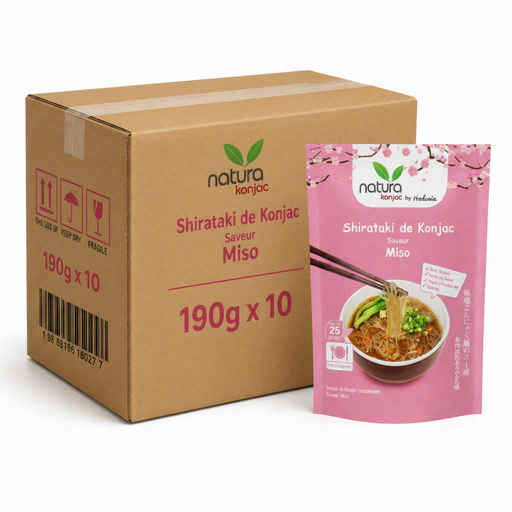 Image unavailable
This multipack could suit several lunches if you have a microwave to heat the soups.
It contains ten 190 g bowls, not metal tins. The product listing mentions soya. If this ingredient is important to your choice, check the recipe label before buying.
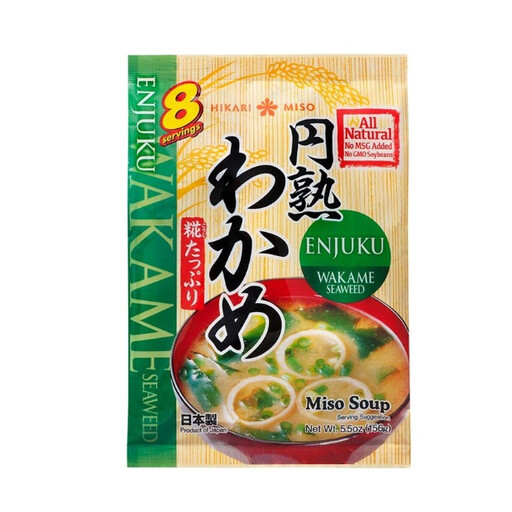 Image unavailable
This soup is suited to lunches where you can make up a portion with hot water.
The product is stated to make eight portions, but it doesn’t say whether each one is individually wrapped. Check if you want to open them separately. This isn’t a metal tin. Also check the label for soya, fish and gluten, which are mentioned in the listing.
 Image unavailable
The two cartons may suit you if you want to open portions on different days, rather than opening one large carton all at once.
The multipack contains two 30 cl cartons, not metal tins. Check the packaging for heating and storage instructions after opening. The product listing mentions celery, milk and possible traces of other allergens.
No. A carton and a metal tin are two different types of packaging. If metal packaging is essential for your stock cupboard, check that it’s specified for the exact product rather than relying on its placement in a “tinned goods” aisle.
Follow the instructions for the product you’ve bought. For the 1 L Liebig 10 Vegetables soup listed by Auchan, the instructions say to refrigerate it and use it within 48 hours of opening.
Read the ingredients list, check which allergens are highlighted and look for any warnings about traces on the exact variant. A vegetable soup’s name alone doesn’t rule out milk or celery; ingredients vary from one product to another.
First identify the type of date and follow the storage instructions on the packaging. The DGCCRF distinguishes between a use-by date and a best-before date. Check the condition of the tin too: according to the DGCCRF, bulging, rust or dents can indicate deterioration. If you spot any of these signs, discard the product.