
Livraison le jour même ou le lendemain

Qualité garantie

Débloquez vos offres de bienvenue: Livraison GRATUITE | Jusqu'à -80 % | 30 jours d'essai gratuits à JoyPlus
Téléchargez l'application
A multifunctional folding bench can serve as an extra seat, a storage chest or a support for home exercises. This versatility is especially handy in a small home, but it can also make choosing the right one more complicated. A model designed for storing throws won't necessarily suit a session with dumbbells, while an adjustable weight bench could prove too bulky for a hallway or bedroom.
Before comparing prices, take a moment to steer clear of three common pitfalls.
A stated maximum load doesn't guarantee the product is suitable for every purpose. For an ottoman storage chest, this is usually a static load: the weight is distributed and the bench remains stationary. On a folding weight bench, the limit may combine the user's weight plus that of the equipment.
So check:
A space-saving bench can look compact on a product page. Yet the space it takes up when unfolded, the seat width and the area needed around the bench are often overlooked. In a flat, measure both the storage space and the access route to the room where the product will be used.
A folding storage bench that is 110 cm long will have a very different visual impact from a 76 cm model. Meanwhile, an adjustable weight bench needs enough room to move your arms, set up dumbbells and adjust the backrest angle.
A linen-look fabric, a black finish or a reclining backrest aren't enough to judge a product. Also look at the frame, hinges, locking pins, feet and the clarity of the assembly instructions. For a folding extra seat, stability on a level floor is paramount. For fitness, every adjustment must be locked before you start an exercise.
For domestic use as a seat or storage space, MDF panels can provide a rigid base, provided you respect the stated load and never sit down without properly fitting the lid. Dense foam improves comfort, but it will never replace a stable structure.
For training, go for a steel or steel alloy frame with sufficiently wide feet and non-slip end caps. Regularly check the screws, pivot points and adjustment mechanisms. Wheels make the bench easier to move, but they must not compromise stability during exercises.
The capacity in litres allows you to compare chests, but the shape of the internal space matters just as much. A volume of 131 L can hold blankets, books or toys. A shallower or shorter compartment will be better suited to storing everyday small accessories.
For a bench with an adjustable backrest, examine the dimensions both unfolded and folded. These measurements need to be compared with your height, the exercises you do and the actual space available in the room.
A fitness bench intended for home use should offer adjustments that are simple to operate, without excessive play. Flat, incline and decline positions allow you to vary your exercises, but safety depends above all on the effective locking of each position.
Before each session:
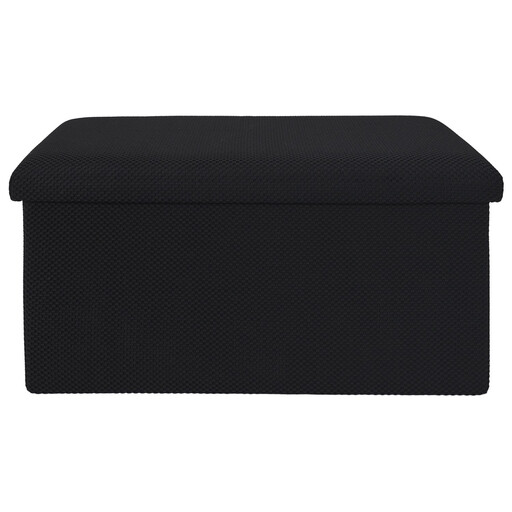
Why this choice suits this profile: With dimensions of 76 × 38 × 38 cm, it fits easily into a small living room, hallway or bedroom. It can be used as a seat, footrest or storage chest.
The maximum load of 110 kg and the warning against standing on it clearly define the usage limits.
MDF structure, polyester upholstery, polyurethane foam padding and folds flat.
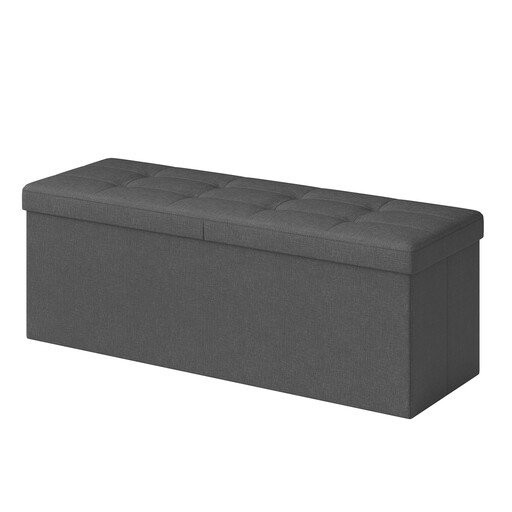
Why this choice suits this profile: This folding storage bench combines a grey linen-look finish, a padded seat and an internal volume suited to the living room, hallway or foot of the bed.
The product page specifies that the chest must be fully covered with the lid before sitting down and that you should avoid storing overly bulky items inside.
Dimensions of 38 × 110 × 38 cm, stated capacity of 131 L and maximum static load of 300 kg.
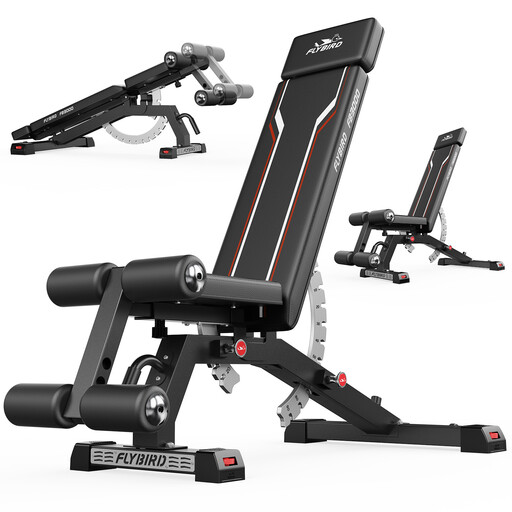
Why this choice suits this profile: Its quick adjustments and folding design suit varied workouts in a home gym.
The manufacturer states that the pins and adjustments must be locked before loading the bench and checked regularly.
Flat, incline and decline positions, steel frame and stated load of 544 kg.
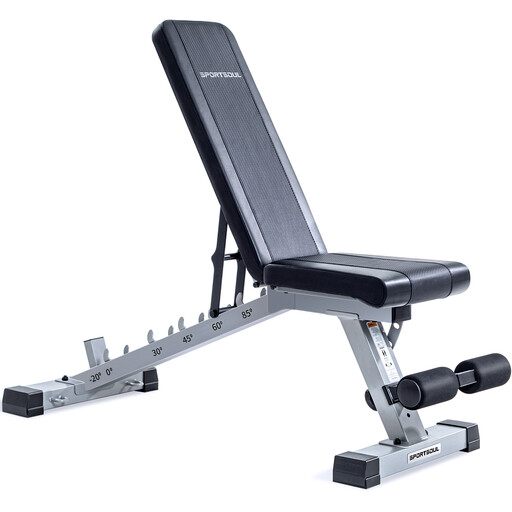
Why this choice suits this profile: This bench is aimed at those who want to vary their exercises while being able to move their equipment easily thanks to the built-in wheels.
The product page reminds you that the 277 kg limit includes the user and weights, and that each locking mechanism must be checked.
Multiple adjustments, flat or inclined backrest, steel alloy frame and breathable faux leather upholstery.
We've put together a comprehensive, real-time updated selection of products that meet these demanding criteria and European safety regulations.
Unfold it on a level surface, check that all feet are resting firmly on the floor, then engage each lock or pin. For a storage model, fit the lid properly before sitting down. On an adjustable weight bench, check the backrest, seat and pivot points before placing any loads.
It all depends on how often you use it, the load it supports, storage conditions and maintenance. Avoid moisture, abrasive products and overloading. Clean the upholstery with a soft cloth and regularly check the screws, hinges, welds and adjustment mechanisms. Any cracked, deformed or unstable component means the bench should be taken out of service.
Yes, provided you measure its footprint both open and folded before buying. An ottoman chest can stay in a living area and be folded away when not in use. A folding weight bench, however, needs a clear area for movement, as well as a dry place to store it between sessions.