
Livraison le jour même ou le lendemain

Qualité garantie

Débloquez vos offres de bienvenue: Livraison GRATUITE | Jusqu'à -80 % | 30 jours d'essai gratuits à JoyPlus
Téléchargez l'application
A multifunction cooking appliance can replace several pieces of equipment, free up space and simplify meal preparation. But the versatility advertised on the packaging doesn't guarantee that the model will suit your kitchen, the size of your household or your cooking habits. Whether you're looking at an air fryer, a multifunction cooking robot, an electric multicooker or an electric hot pot, the criteria for choosing can change completely.
Here are the points to consider to avoid disappointing purchases and find the appliance that truly matches your needs.
A 5 or 7 litre pot doesn't necessarily mean you can fill it to the brim. To prevent overflow and ensure even cooking, certain foods must stay below the maximum recommended level. So check the usable capacity, the shape of the pot and the number of portions you typically prepare.
For a single person or a couple, a compact 1 to 2 litre appliance can be more than enough. A family should look towards a larger capacity, with a 5 litre pot or a dual-compartment air fryer.
An appliance marketed as "multifunction" can pack in lots of programmes that are very similar to each other. Before you choose, ask yourself whether you'll really use the steam, simmer, rice cooking, reheating, baking or dehydrating modes.
A multifunction cooking robot covers many needs, but it takes up more space and requires more thorough cleaning. Conversely, a rice cooker or an electric hot pot is more specialised, but also simpler to use day to day.
The dimensions, weight and clearance around the appliance matter a lot in a British kitchen, especially when it has to sit under wall units. An air fryer needs to be able to vent heat properly. Similarly, an appliance with a lid or a steam outlet requires enough space above it.
A non-stick coating, removable parts and dishwasher compatibility can reduce the time spent on maintenance. However, they don't mean you can ignore the instruction manual's advice to use non-metal utensils.
Choose the capacity based on the number of people you're serving, not the number of programmes on display:
Two independent zones let you set the temperature and time separately. This setup is especially handy for cooking, for example, vegetables and a protein source that need different cooking times.
Power affects how quickly the appliance heats up, but a very powerful model can also use more electricity if it runs for a long time. To compare two models, look at their power, their heating modes and whether they have a programmable timer.
A keep-warm function can be useful for rice, soups and stewed dishes. However, don't mistake it for long-term food storage: follow the instructions in the manual and stick to the usual food safety rules.
Before you buy, check that the instruction manual is available in English, read the steam safety instructions and make sure the voltage is compatible with your home's electrical supply. For an appliance sold in the European Union, look for conformity information, the identity of the manufacturer or the EU-based responsible party, and the required warnings.
The main points to check are:
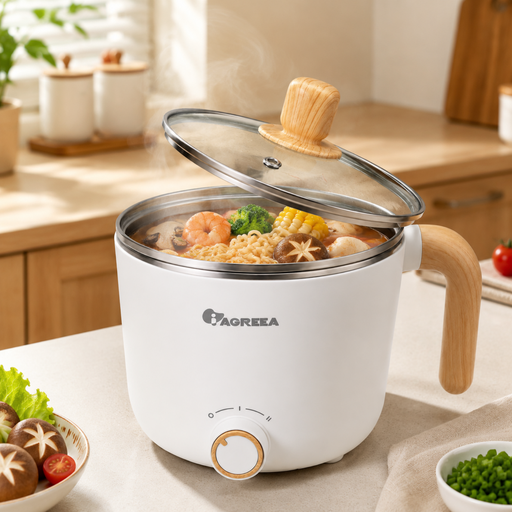
Why this choice suits this profile: Its one-litre size is ideal for students, single people and small kitchens. It offers two power levels, 300 W and 600 W, for preparing soups, pasta, rice or small dishes.
Its small capacity limits the space it takes up and stops you paying for unnecessary programmes when you're only cooking small amounts.
Stainless steel inner pot, glass lid and compact size that's easy to store.
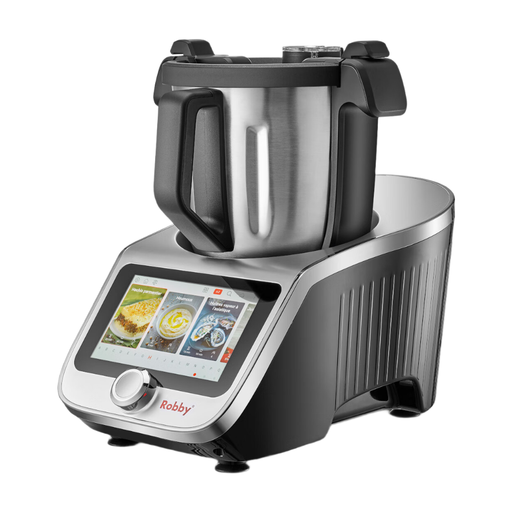
Why this choice suits this profile: This multifunction cooking robot is aimed at households that want to centralise preparation, cooking, weighing and guided recipes in a single appliance.
The total capacity of 4.5 litres, a usable bowl of 3 litres and a detailed description of the accessories help you better understand the actual usable volume.
7-inch touchscreen, built-in scales, 725 pre-loaded recipes, automatic programmes and dishwasher-compatible accessories according to the product sheet.
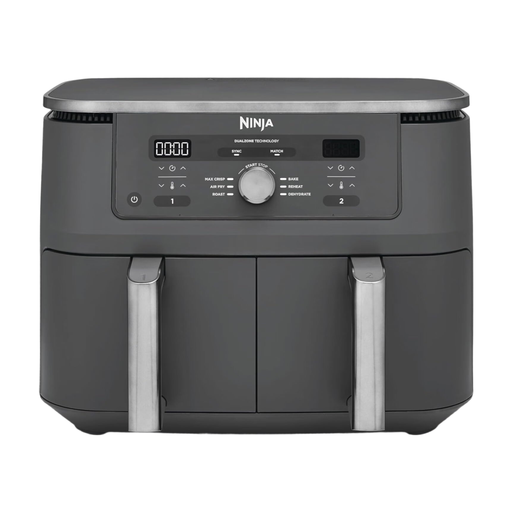
Why this choice suits this profile: This dual-compartment air fryer is ideal for families and users who regularly cook two foods with different settings.
The two independent drawers let you set different times and temperatures separately, without overloading a single cooking zone.
9.5 litre volume, six advertised functions, separate digital controls and dishwasher-safe baskets according to the product sheet.

Why this choice suits this profile: This electric hot pot is ideal for family meals, soups, stewed dishes and hot pot evenings, without needing an extra hob.
Its four advertised uses and adjustable power stop you choosing an appliance limited to boiling only.
5 litre pot, non-stick coating, glass lid, detachable cord and advertised dry-boil protection.
We've put together a comprehensive, real-time selection of products that meet these demanding criteria and European safety regulations.
A 1 to 2 litre appliance, a compact rice cooker or a small electric hot pot will take up less worktop space. Also remember to measure the height needed when the lid is open, as well as the clearance required for steam to escape.
The consumption depends on the power, the duration and how often you use it. A 1,000 W appliance used for 30 minutes theoretically uses 0.5 kWh. Compare this estimate with your electricity tariff and choose programmes suited to the amount you're actually cooking.
It depends on how often you use it, how well you maintain it, whether you stick to the fill levels and the condition of the coating. Avoid metal utensils with non-stick pots, never submerge the electric base in water, and replace any damaged accessories when the manual recommends it.