Hosts planning a family toast
You’re looking for a drink to share, with fizz, identifiable fruit in the ingredients and an alcohol content that suits your guests. The product’s position on the shelf isn’t enough to confirm the last point.


For a bubbly toast at your Christmas drinks party, choose a drink that clearly states its fizz and alcohol content. The sparkling juices listed by Carrefour France and Auchan France are mainly apple-based, sometimes combined with grape. If a wider variety of fruit matters more, multifruit juice may suit you, but it won’t replace a sparkling drink for the toast. Either way, check the product name, ingredients and nutritional information on the bottle you choose.
You’re looking for a drink to share, with fizz, identifiable fruit in the ingredients and an alcohol content that suits your guests. The product’s position on the shelf isn’t enough to confirm the last point.
You prefer a blend of several fruits, even if the drink isn’t sparkling. The product name and ingredients list help you tell juice from nectar or another fruit drink.
You compare the ingredients and sugars per 100 ml rather than relying on pictures of fruit or a claim on the front of the pack.
For your Christmas drinks party, first decide whether fizz is essential for the toast. If it is, distinguish sparkling juice from a cocktail or another fizzy fruit drink. If it isn’t, compare multifruit juices by their ingredients and pack size.
Choose this if: you want fizz in a drink made primarily with juice, such as the apple or apple-and-grape sparkling drinks described by Auchan France and Carrefour France.
Bear in mind: these examples don’t offer the variety of fruit you’ll find in a multifruit juice.
Choose this if: an apéritif style and fizz matter more to you than the product being labelled “fruit juice”.
Bear in mind: ingredients and alcohol content vary. Carrefour France lists a product shown as 0.5% in its alcohol-free apéritif section. Check the bottle if you need a 0.0% drink.
Choose this if: a blend of fruits is your priority. Carrefour France, for example, describes a juice made with juice and purées from 12 fruits.
Bear in mind: still juice won’t give you the fizz you’re looking for in a toast.
| What to consider | What to check | Who it matters to |
|---|---|---|
| Fizz and alcohol content | Look for “sparkling” or “carbonated”, then check the stated alcohol content if you need 0.0%. | For a toast with all my guests, I want fizz without assuming the alcohol content from the shelf section. Around 40% of consumers prioritise having a sparkling drink for the toast. |
| Variety of fruit | Check which fruits are listed in the ingredients and the exact product name. | I’d rather have several fruits in my glass, even if that means going without fizz. Around 30% of consumers prioritise a multifruit flavour. |
| Ingredients and sugars | Check the ingredients list and the amount of sugars per 100 ml in the nutritional information. | Before choosing, I want to tell the sugars in the drink apart from a “no added sugar” claim. Ingredients and sugars come first for around 20% of consumers. |
| Pack size and storage | Check how much you’ll be serving and what to do after opening. | If there’s a chance the bottle will be left unfinished, I’d rather choose a size that suits the occasion. For nearly 10% of consumers, this is the top priority. |
The multifruit juices described by Carrefour France and Auchan France aren’t presented as carbonated. The sparkling juices listed by these retailers are mainly apple-based.
If you want both several fruits and fizz, check that the same bottle offers both.
Carrefour France lists Martini Vibrante apéritif in this category, showing an alcohol content of 0.5%.
If your guests need a 0.0% drink, check the alcohol content on the product itself.
A fruit drink can contain naturally occurring sugars, even if it says “no added sugar”.
Check the “of which sugars” line per 100 ml and the product name before comparing two bottles.
A large bottle may be ideal for sharing, but storage after opening matters if you won’t serve it all.
Choose a size to suit the number of glasses you’re planning, and follow the storage instructions on the packaging.
75 cl bottles of sparkling fruit juice, for a table where fizz matters more than a wide mix of fruit.
A 75 cl sparkling apple drink for anyone looking for a fruity bottle to share.
A range that, according to Carrefour France, includes 75 cl carbonated apple and apple-and-peach drinks.
A multifruit juice for when a blend of fruits matters more than a sparkling toast.
A multifruit juice, also available in a 25 cl single-serve carton.
These products cover two different choices for your drinks party: sparkling drinks with fruit flavours, and multifruit juices for when fizz isn’t a priority. A sparkling fruit drink isn’t necessarily a multifruit juice. Also check the label if you need a 0.0% alcohol content.
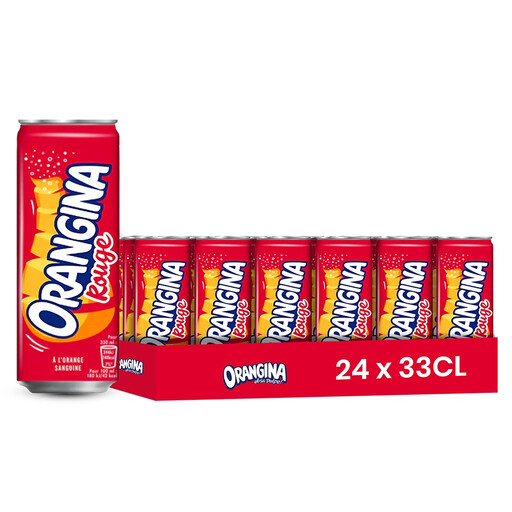 Image unavailable
For serving in cans, with fizz and orange and red berry flavours.
A sparkling drink, not a multifruit juice; pack of 24 × 330 ml cans.
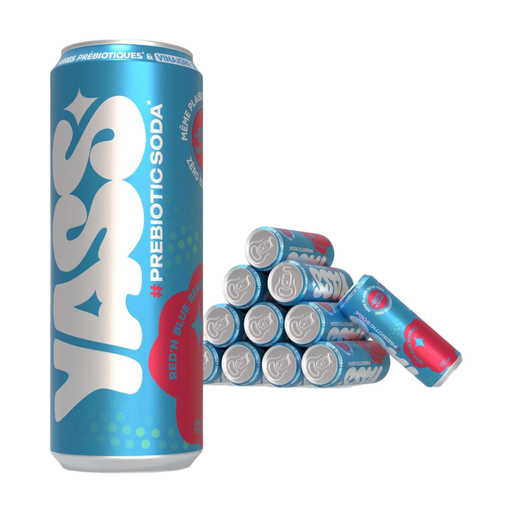 Image unavailable
For guests who prefer a fizzy drink in individual portions.
A berry-flavoured drink, not a multifruit juice; pack of 12 × 330 ml cans.
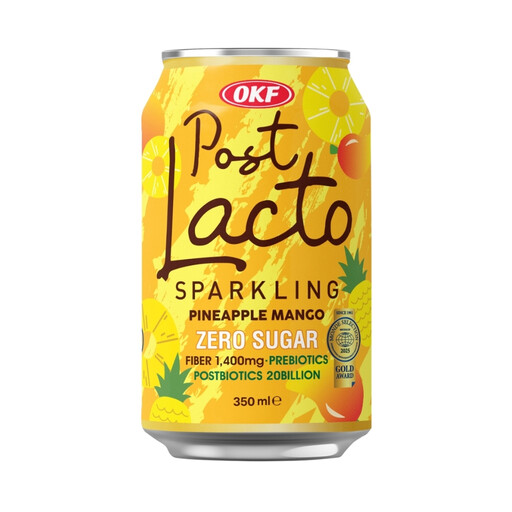 Image unavailable
A single-serve sparkling drink with pineapple and mango flavours.
A 350 ml sparkling drink, rather than a multifruit juice; check the ingredients if sweeteners are a factor in your choice.
 Image unavailable
For choosing a multifruit juice to share instead of a fizzy drink.
1 L bottle; this juice isn’t sparkling. The “no added sugar” claim doesn’t mean you can skip checking the sugars in the nutritional information.
 Image unavailable
For serving a juice made with several fruits when fizz isn’t the main consideration.
1.5 L bottle; this juice isn’t sparkling. Compare the pack size and nutritional information with the other drinks you’re considering.
No. A drink’s place on the shelf doesn’t replace the alcohol content stated on the bottle. Carrefour France, for example, lists Martini Vibrante apéritif in this category with an alcohol content of 0.5%. If you need a 0.0% drink, check the product details on the one you choose.
Start by reading the product name, then check the ingredients list. The DGCCRF notes that juice and nectar names are subject to specific definitions. Pictures of fruit on the packaging aren’t enough to identify the type of drink.
No. Sugars naturally present in fruit may still be in the drink. To compare two products, check the amount of sugars per 100 ml in their nutritional information.
Follow the storage instructions and use-by period after opening stated for that bottle. If you’re only expecting to serve a few glasses, bear these instructions in mind when choosing the pack size.