Students keeping an eye on added sugars
You want to check that no sugars have been added, without mistaking this for a drink with no sugars at all.


For lunch at university, first check the drink’s description and ingredients to see if they meet your needs, then choose a size that’s easy to carry or suitable for several meals. “No added sugars” does not mean “sugar-free”. Manger Bouger recommends choosing water and whole fruit, and limiting fruit juice to a maximum of one glass a day.
You want to check that no sugars have been added, without mistaking this for a drink with no sugars at all.
You carry lunch in your bag and would rather not take a large, opened bottle from class to class.
You’re looking for a carton or bottle to share or use across several lunches, provided you can store it properly once opened.
For lunch at university, first check what kind of drink it is, then look at the sugar content on the label and choose a pack size that suits how much you’ll actually use.
| What to check | Look for | Who is it for? |
|---|---|---|
| Sugar claims | Read the product description and ingredients, and check the “of which sugars” figure per 100 mL. “No added sugars” does not mean sugar-free. | I want to avoid added sugar but still know what my drink actually contains. Around 31% of consumers are said to make this distinction their priority. |
| A portion to take with you | Check the net volume and whether the container can be resealed. | Between classes, I’d rather take a single portion than carry a large bottle. Around 25% of consumers are said to prioritise this convenience. |
| The place of juice at lunch | Make sure you have water too. Manger Bouger recommends choosing whole fruit and limiting juice to a maximum of one glass a day. | I don’t want juice to become my main drink or replace a piece of whole fruit. Around 25% of consumers are said to prioritise this. |
| A size for several meals | Work out how many portions you’ll need and check the storage instructions for after opening. | If I’m sharing a bottle or using it across several lunches, I need to be able to use all of it. This is said to be the main need for around 19% of consumers. |
Juice can contain sugars that occur naturally in fruit, even when no sugar has been added.
Compare the “of which sugars” figure per 100 mL, and don’t rely on the word “diet” alone.
Manger Bouger advises limiting all fruit juices, including those with no added sugars, and choosing water and whole fruit instead.
Take water with you to drink throughout the day. If you do have juice, keep to the guideline of no more than one glass a day.
A bottle intended for several servings is less convenient to carry than a small pack, and you’ll need to follow the storage instructions after opening.
Before choosing one, think about whether you can share it or store it in the way indicated on the packaging.
This claim alone doesn’t tell you how much sugar the drink contains or what role it should play at lunch.
Also read the product description, ingredients and nutritional information, and check the volume.
These range examples can help you identify product descriptions and pack sizes. Always compare specific products rather than assuming their features from the brand name alone.
Carrefour’s range includes multifruit and multivitamin juices.
The range includes multifruit and multivitamin products, including individual packs and bottles for sharing.
Auchan’s range includes a 1 L multifruit and vegetable product.
Lidl France lists a product described as “Pure multifruit juice”.
These multifruit drinks include juices, a nectar and a fruit drink, in containers ranging from 750 mL to 1.5 L. For lunch at university, compare their product descriptions and plan how you’ll use and store the size you choose.
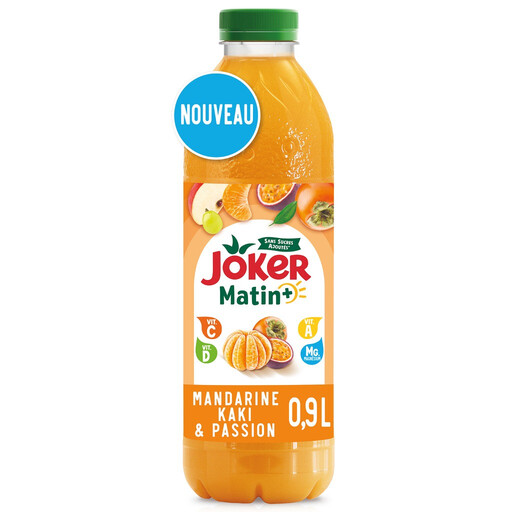 Image unavailable
The 900 mL container is a good option if you’re planning several portions rather than a single drink to take with you.
Before choosing this recipe, check the product description, the “of which sugars” figure and the storage instructions for after opening on the packaging.
 Image unavailable
This 1 L size is better suited to several servings than to carrying a single portion with you between classes.
“No added sugars” doesn’t mean sugar-free: check the amount per 100 mL and the storage instructions for after opening.
 Image unavailable
The 1.5 L container is worth considering if you plan to share the juice or use it across several meals.
To assess the recipe, check the ingredients, the sugar content per 100 mL and the storage instructions for after opening.
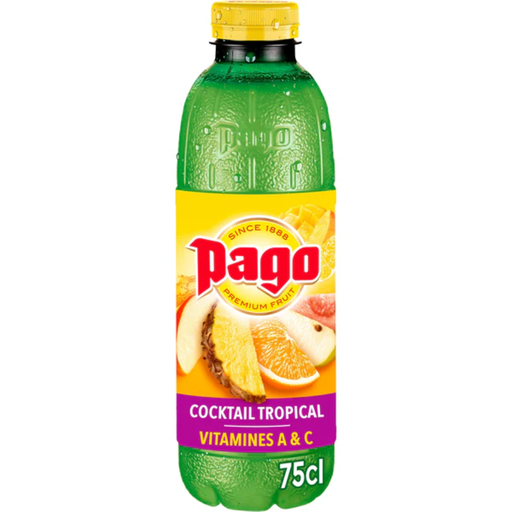 Image unavailable
If you’re considering this 750 mL container for several portions, first check that its exact product description matches what you’re looking for: the title calls it a fruit drink.
The title notes that the product is close to its best-before date; check the date on the product before buying.
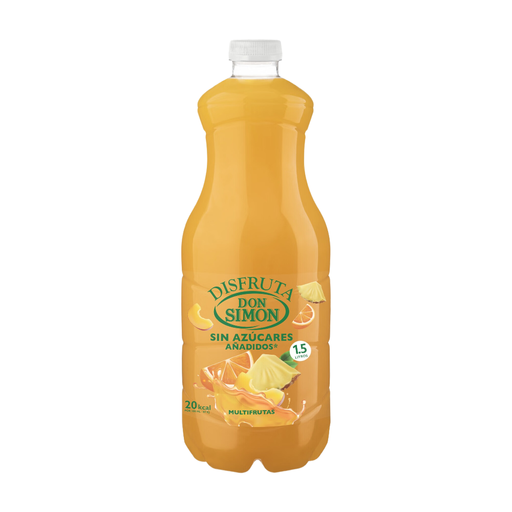 Image unavailable
Choose this 1.5 L PET bottle if you’re looking for a nectar to use across several portions, rather than a multifruit juice.
“No added sugars” doesn’t mean sugar-free. Also check the ingredients list if the presence of a sweetener matters to you.
No. Sugars naturally present in fruit can remain in the juice. Check the “of which sugars” figure in the nutritional information to compare drinks on an equal basis.
No, these are different product descriptions. Check the wording on the packaging and read the ingredients before comparing two products that both use the word “multifruit”.
Manger Bouger recommends limiting all fruit juices to a maximum of one glass a day, and choosing water and whole fruit instead. If you have juice at lunch, remember to include any other juice you drink during the day.
No. It doesn’t replace checking the product description, ingredients and nutritional information. Compare the sugar content per 100 mL in particular, and choose a size that suits how much you’ll drink.