Consumers comparing stated sugar levels
When choosing a drink to have with lunch, you look at the sugars and energy per 100 ml rather than relying on the claim on the front of the pack. The amount you actually drink matters too.


If your priority is the amount of sugar you consume at lunch, compare the ‘of which sugars’ figure per 100 ml, then consider how much you plan to drink: ‘no added sugar’ does not mean ‘sugar-free’. If your main aim is to avoid added sugar, check this claim and the ingredients list, and make sure you distinguish juice from nectar. Product listings from E.Leclerc and Auchan show that these choices can have different sugar contents.
When choosing a drink to have with lunch, you look at the sugars and energy per 100 ml rather than relying on the claim on the front of the pack. The amount you actually drink matters too.
You’re happy for the fruit to provide its naturally occurring sugars, but want to check that no sugar has been added. Read the product description, ingredients list and ‘of which sugars’ figure.
If you’re considering a nectar, compare its stated fruit content, whether it contains sweeteners and its sugars per 100 ml. This helps you judge the recipe according to what matters to you, without treating it as juice.
First decide whether you want to compare stated sugar levels or avoid added sugar. Then check the type of drink and the format that suits your lunch.
Worth considering: if you want to stick with a multifruit juice while comparing its stated sugar content. E.Leclerc’s listing for Jafaden reduced-sugar juice shows 7.4 g of sugars per 100 ml.
Bear in mind: this product description is no substitute for checking the nutritional information and choosing how much to drink.
Worth considering: if avoiding added sugar matters more to you than finding the lowest sugar figure.
Bear in mind: naturally occurring sugars still count towards the total: Auchan’s listing for Joker Le Fruit shows 10 g of sugars per 100 ml.
Worth considering: if its recipe, particularly its fruit content and ingredients, meets your needs.
Bear in mind: nectar is not juice; some recipes contain water or a sweetener. E.Leclerc’s listings for Jafaden and Eco+ nectars illustrate the differences.
| Criterion | What to check | Who is it for? |
|---|---|---|
| Stated sugar content | Compare the sugars and energy per 100 ml, then take into account how much you’ll drink. | For my lunch, I want to know the stated amount of sugar rather than rely on a claim on the front of the pack. Around 50% of consumers are said to put stated sugar content at the top of their list of criteria. |
| Added sugar and sweeteners | Check whether it’s described as juice or nectar, read the ingredients list and check the ‘of which sugars’ figure, even if it says ‘no added sugar’. | I prefer a recipe with no added sugar and also want to know whether it contains a sweetener. Around 30% of consumers are said to have this priority. |
| Quick shopping | Check the format and the information on the product you’re putting in your basket. | When I’m shopping for a quick lunch, I want to find a format that suits me without choosing based only on the front of the pack. Around 20% of consumers are said to prioritise convenience above all. |
This claim refers to added sugar, not all the sugars in the drink. Auchan’s listing for Joker Le Fruit with no added sugar, for example, shows 10 g of sugars per 100 ml.
Compare the ‘of which sugars’ figure per 100 ml and consider how much you plan to drink.
The nectars listed by E.Leclerc have different fruit contents, and one also declares a sweetener. You can’t tell what’s in them from the word ‘multifruit’ alone.
Check the product description, stated fruit content, ingredients and sugars per 100 ml.
Carrefour Classic’s product listing describes the product as having ‘no added sugar’, but also includes another statement saying that sugar has been added. This contradiction means you can’t rely on either statement without checking further.
Before buying, check the label on the pack being offered and ask the retailer or manufacturer for clarification if the contradiction remains.
The Le Fruit no-added-sugar option is an example of a juice whose claim about added sugar should be considered alongside its nutritional values.
E.Leclerc’s listings include a reduced-sugar multifruit juice and a no-added-sugar multifruit nectar: two different product descriptions to keep distinct.
The multifruit nectar listed by E.Leclerc gives you the chance to consider a recipe containing a sweetener.
The multifruit nectar listing states that it contains at least 75% fruit, but its information about added sugars is contradictory.
Carrefour’s listing describes Tropicana Essentiels multivitamin as a no-added-sugar juice in a 1 L carton.
These Joybuy options include nectars and juices made from several fruits. For a quick lunch, first distinguish between their categories and formats, then compare the ingredients and nutritional values of the product you choose.
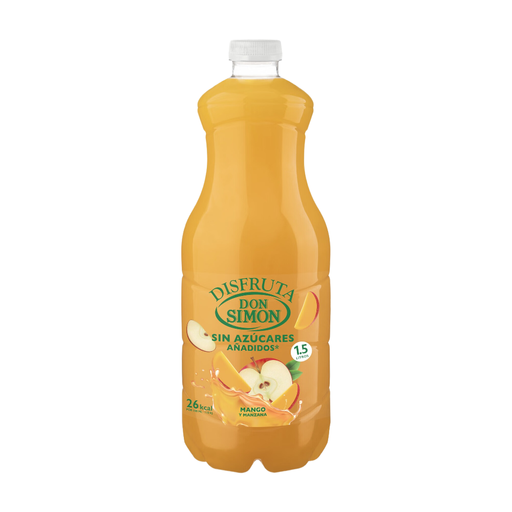 Image unavailable
Worth considering if you’re looking for a nectar combining mango and apple; check the ingredients list if you want to avoid sweeteners.
The 1.5 L PET bottle is worth bearing in mind if you only want to take one serving with you for lunch.
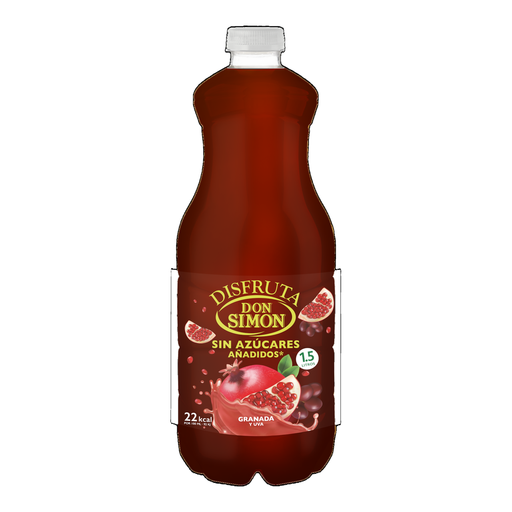 Image unavailable
Compare it with other nectars rather than multifruit juices; check the recipe and sugars per 100 ml according to what matters to you.
The PET bottle holds 1.5 L: choose how much to drink separately from the bottle size.
 Image unavailable
This nectar may suit you if you’re looking for a multifruit drink described as having no added sugar; check the ingredients too if you avoid sweeteners.
The PET bottle holds 1.5 L. To compare its ingredients with other nectars, look for the fruit content on the pack.
 Image unavailable
Worth considering if you prefer multifruit juice to nectar and are looking for a product described as having no added sugar. Still, compare the sugars per 100 ml.
With a 1.5 L bottle, remember to distinguish the amount you take or serve from the amount the bottle contains.
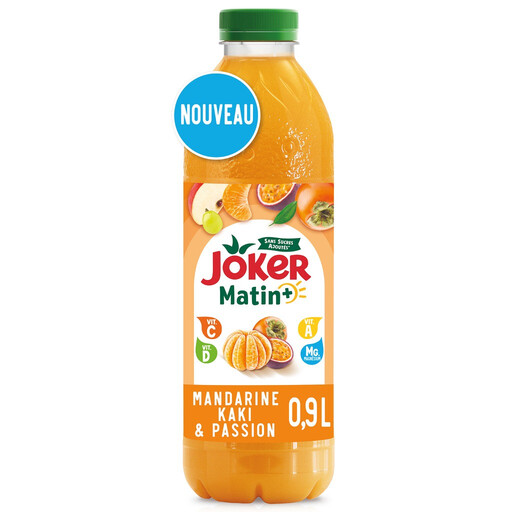 Image unavailable
Compare it with other juices if you’re looking for this fruit blend. Don’t assume its sugar content from the name: check the figure per 100 ml.
The 900 ml container is not the same as an individual serving for lunch.
No: juice with no added sugar can still contain the sugars that occur naturally in fruit. Auchan’s listing for Joker Le Fruit states that it has 10 g of sugars per 100 ml; when choosing, check the ‘of which sugars’ figure for the specific product.
Start with the product description: juice and nectar are different categories of drink. Then compare the ingredients, stated fruit content and sugars per 100 ml. E.Leclerc’s listings for Jafaden reduced-sugar juice and Jafaden and Eco+ nectars show why a claim on the front of the pack isn’t enough on its own.
Manger Bouger recommends limiting all fruit juices, whatever the type, to no more than one glass a day wherever possible, and choosing a whole piece of fruit instead. If you choose juice to have with lunch, think about how much you pour rather than just the size of the bottle.
Follow the instructions on the pack you buy. As one product-specific example, Joybuy’s listing for Joker Jus Multifruits Engagé 1 L says to refrigerate after opening and consume within 5 days; this guidance does not automatically apply to other juices.