People who want to keep an eye on cooking less
If your meals mainly involve cooking rice, vegetables or slow-cooked dishes, a programmable multicooker could be all you need, without adding chopping or mixing functions you won’t use.


If you want to start cooking with minimal supervision, a multicooker is a good choice if you mainly prepare rice, slow-cooked dishes or recipes suited to its programmes. A cooking food processor offers more versatility if you also want to chop, mix or knead in the same appliance, provided you have room for it and are happy to clean its accessories. If you already have a suitable cooking appliance, a food processor can help with preparation, but it won’t cook the meal for you.
If your meals mainly involve cooking rice, vegetables or slow-cooked dishes, a programmable multicooker could be all you need, without adding chopping or mixing functions you won’t use.
If your recipes regularly involve chopping, whisking, kneading or mixing before or during cooking, compare a cooking food processor’s accessories with the space they’ll take up and the cleaning they’ll require.
If your current appliance handles the cooking you need and it’s only the preparation that takes up your time, a food processor without a cooking function could complement it. According to Que Choisir, this can be a good option if you already own a slow cooker, for example; on its own, it won’t replace a programmable cooker.
Start with the tasks you want the appliance to handle, then check the quantities it can cook, the space you have available and how its programmes work.
| Priority | What to check | What you need |
|---|---|---|
| Programmable cooking | Look for the cooking modes that suit your recipes and check what each programme actually controls. Don’t confuse programmable cooking with a delayed start. | I want to start cooking without staying by the hob, while choosing the programme that suits the dish. |
| Food preparation built in | Check whether the appliance can chop, mix, whisk or knead, and which accessories it uses. A food processor without a cooking function needs another appliance to cook the food. | For soups, sauces or doughs that also need mechanical preparation, I’d rather compare cooking food processors. If I already have a cooking appliance, a food processor may be enough for this step. |
| Cooking capacity | Check the usable capacity and filling limits for different recipes, particularly when pressure cooking. Don’t estimate portions from the stated capacity alone. | I need enough room in the cooking pot for the meals I usually make, not just a capacity figure on the product page. |
| Space and cleaning | Measure the space available, including room for the lid and for using the appliance. Check which parts need washing, whether they’re dishwasher-safe and how to store the accessories. | An appliance I use often needs to fit in my kitchen and be easy to clean as part of my routine. |
| Functions you’ll use | Compare the accessories included with the recipes you actually make. If you’re interested in connected recipes, check the access requirements before choosing a model. | If I mainly cook rice or slow-cooked dishes, I don’t need preparation functions I won’t use. For a more specialised cooking task, I could also look at a dedicated cooker. |
| Delayed start | Check that the model has this function and that the ingredients can be left waiting in the conditions specified. Perishable food must be kept chilled. | I want to schedule a meal in advance without leaving meat, fish or other perishable ingredients out of the fridge. |
The filling limit also depends on the recipe. Que Choisir gives the example of a Cookeo pot with a stated capacity of 6 L, in which you can cook a maximum of only 4 L.
Check the instructions and filling marks for the dishes you prepare, especially liquid recipes and those cooked under pressure.
Its preparation functions are only useful if your recipes actually involve chopping, mixing, whisking or kneading.
Think about the meals you usually make. If they mainly need programmable cooking, start by comparing multicooker modes with those recipes.
A delayed start doesn’t keep ingredients chilled. Anses recommends keeping meat, fish and prepared dishes in the coldest part of the fridge.
Don’t leave these foods in the cooking pot at room temperature; only use the delayed-start function when the storage conditions are suitable.
The bowl, lid and accessories can take up space even when the appliance isn’t in use. Que Choisir advises checking the size and maintenance requirements of cooking food processors.
Measure the space you have and check the box contents and cleaning instructions for each part of the model you’re considering.
The Cookeo range focuses on programmable cooking, while Companion combines food preparation and cooking.
The Cook Expert Original is a cooking food processor for recipes that combine cooking with food preparation.
The Thermomix TM7 focuses on food preparation and cooking modes, as well as guided recipes displayed on screen.
These models are suited to programmable cooking or preparing rice. If you’re looking for a food processor that also chops or mixes ingredients, compare the functions and accessories of cooking food processors separately.
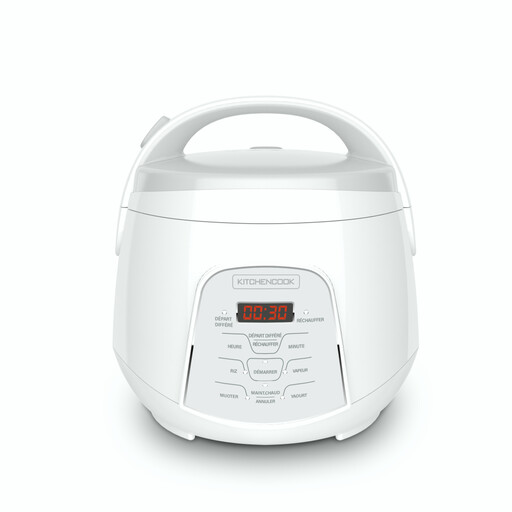 Image unavailable
Worth considering if you’re looking for an appliance for straightforward cooking. Check that its programmes suit the dishes you make and that the usable capacity meets your needs.
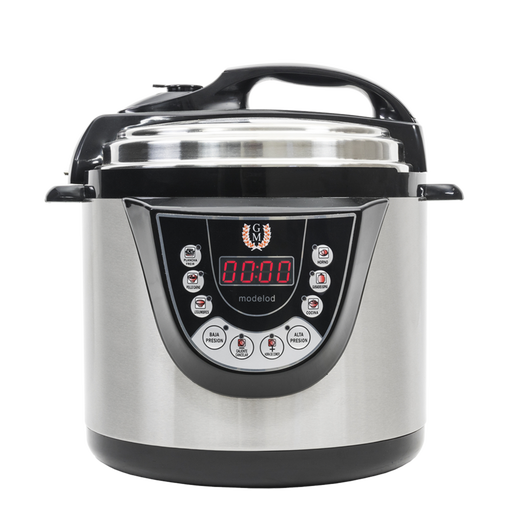 Image unavailable
For a range of programmable cooking options, its product description lists nine menus, two pressure settings, a 24-hour timer, plus air-frying and voice-control functions. Check the usable capacity for your recipes and the language of the instructions.
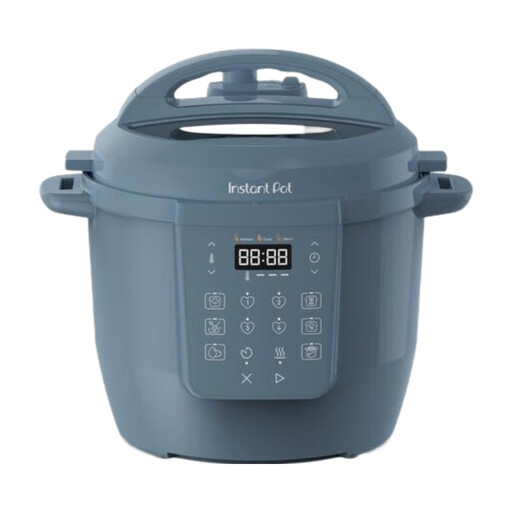 Image unavailable
This 5.7 L multicooker is worth comparing for everyday cooking. If you want to schedule a meal for later, check specifically whether it has a delayed-start function; a cooking programme doesn’t necessarily include one.
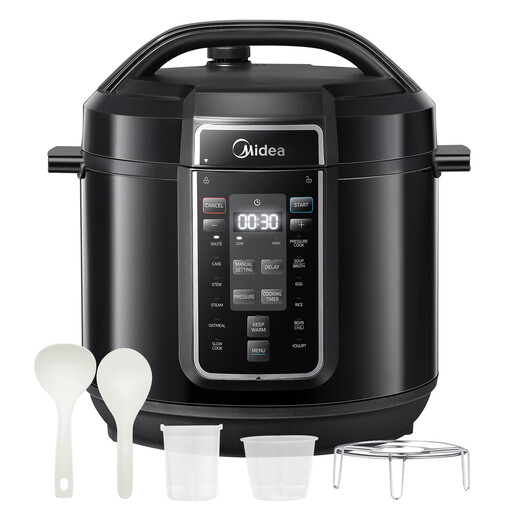 Image unavailable
Its preset menus may appeal to households looking to programme different cooking methods. Check the stated capacity and how much you can actually cook before choosing it: the capacity information for this model is inconsistent.
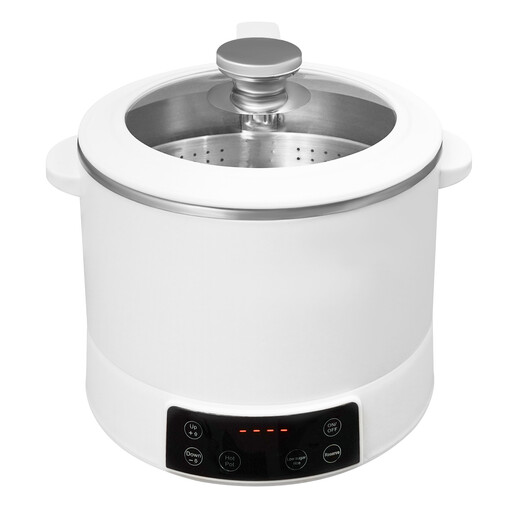 Image unavailable
This specialist cooker is designed for scheduled rice preparation rather than recipes that involve chopping or mixing. Its product description lists a capacity for 1 to 3 people, a 220 V power supply and 1,500 W of power. Check the usable capacity, plug supplied and instructions before buying.
Not for recipes that regularly involve chopping, whisking, kneading or mixing in the appliance. A multicooker focuses on programmable cooking; compare cooking food processor accessories if you also want to automate these tasks.
Choose based on the amount you’re actually allowed to cook for your recipes, not just the stated capacity in litres. Que Choisir gives the example of a 6 L Cookeo pot with a maximum cooking capacity of 4 L; check the limits for the model and dishes you have in mind.
Don’t leave perishable food in the cooking pot out of the fridge. Anses recommends keeping meat, fish and prepared dishes in the coldest part of the fridge, so check that the ingredients and waiting conditions will keep them safely stored.
They can make it easier to wash the parts in question, but that doesn’t tell you everything about cleaning the appliance. Check the bowl, lid, seals and each accessory separately, as well as how many parts need to be taken apart and stored.
For a new, second-hand or refurbished appliance sold by a professional in France, the statutory guarantee of conformity is compulsory, according to the ministry responsible for the economy. It covers issues of conformity; ask the seller what steps to take for the problem you’re experiencing, and don’t confuse this guarantee with an optional commercial warranty.