
Livraison le jour même ou le lendemain

Qualité garantie

Débloquez vos offres de bienvenue: Livraison GRATUITE | Jusqu'à -80 % | 30 jours d'essai gratuits à JoyPlus
Téléchargez l'application
Between nappy changes, trips out and quick washes, baby wipes are a handy addition to your changing bag. But not all wipes are suitable for the same situations. A formula made mostly of water may suit sensitive skin, while disinfectant wipes are designed for surfaces only. To make the right choice, check the ingredients, pack size and intended use rather than relying on marketing claims alone.
The term water-based baby wipes can describe a formula made mostly of water, but it may also contain ingredients needed to preserve the product or give it the right texture. Take the time to check the full ingredient list, including for any fragrance, alcohol or cleansing agents.
A shorter formula may appeal to parents who want to limit unnecessary ingredients. However, a shorter ingredient list doesn’t mean you can stop checking how your child’s skin reacts.
The term hypoallergenic baby wipes generally means that, according to the manufacturer, the formula has been designed to reduce the risk of an allergic reaction. It doesn’t guarantee that every child will tolerate it in the same way. If you notice redness, discomfort or irritation, stop using the wipes and seek advice from a healthcare professional if necessary.
Also pay attention to the difference between alcohol-free, fragrance-free and preservative-free: these terms don’t mean the same thing.
Disinfectant wipes contain substances designed for washable surfaces. They must not be used for nappy changes, or on a baby’s face, hands or body. Similarly, adult incontinence wipes may be larger and more durable, but that doesn’t mean they’re formulated for a baby’s specific needs.
For nappy changes and everyday washing, look for clear guidance such as face, body and bottom, as well as a statement that the wipes are suitable from birth if this is appropriate for your child’s age. Baby wipes without alcohol may be preferable if you want to limit certain drying factors, while fragrance-free wipes offer a more pared-back formula.
Products labelled for sensitive skin should be used according to the instructions. Wipes that are moist and strong enough can also help reduce repeated rubbing.
Biodegradable wipes or wipes made from plant-based fibres may suit those looking to reduce plastic use. However, check the exact material: plastic-free, cellulose fibre, viscose and plant-based fibre don’t automatically mean that a product can be flushed down the toilet.
Most wipes should go in the bin. Even if the packaging says “flushable”, follow the manufacturer’s instructions carefully and never flush several wipes at once.
Compare the price per wipe rather than the price per pack. A pack of 240, like some Pampers options, may suit everyday use at home. A small pack of 10 wipes, on the other hand, slips easily into a handbag, car or changing bag.
To stop them drying out, choose a pack with a lid or a resealable flap that closes securely. Remember to check it’s properly closed after each use.
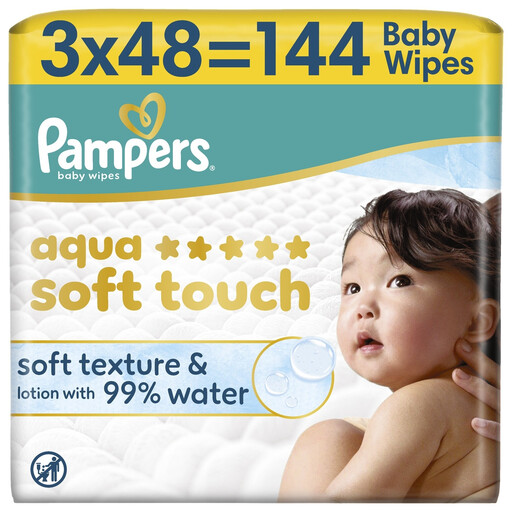
Why this is a good fit: The three-pack suits families who want to stock up at home while keeping a separate pack handy for when they’re out and about.
The product listing says the lotion is 99 % water, with no alcohol or fragrance. Still, check the ingredients and how your child’s skin tolerates the wipes.
144 wipes, a texture described as soft, and a formula with no alcohol or fragrance, according to the product information.
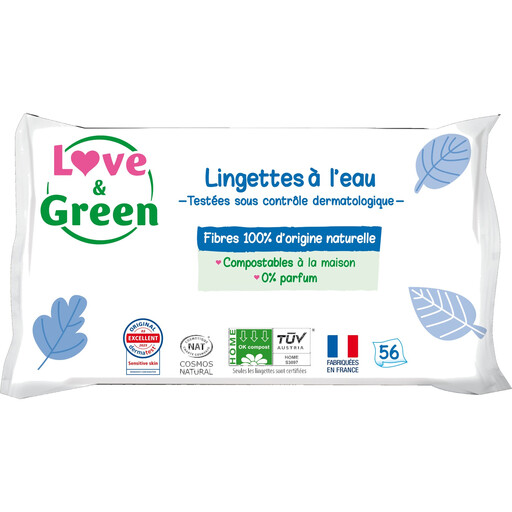
Why this is a good fit: This option is for parents who pay particular attention to the ingredients, the fibres used and whether the packaging can be recycled.
The product listing describes a fragrance-free formula made with 98 % ingredients of natural origin, along with FSC-certified plastic-free fibres. We still recommend checking the label.
56 wipes, fibres of natural origin, stated COSMOS NATURAL certification and packaging described as recyclable.
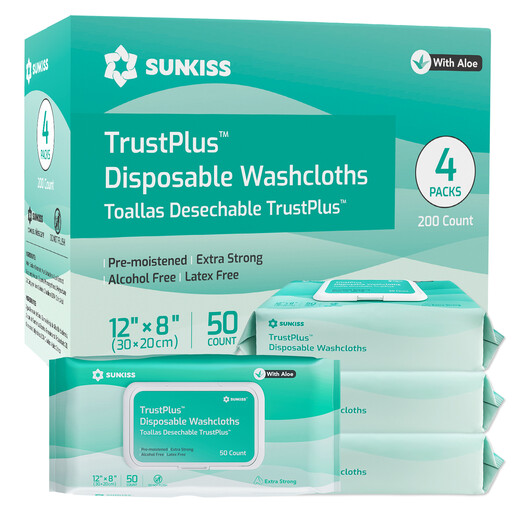
Why this is a good fit: Carers and relatives of adults who need support may find larger cleansing wipes useful for a no-rinse wash.
These wipes are a different format from baby wipes: they’re designed for washing an adult’s body and shouldn’t be mistaken for a product intended for changing a baby.
200 wipes in four packs, stated dimensions of 20 × 30 cm, a fragrance-free and alcohol-free formula, and a resealable lid.
We’ve put together a comprehensive, regularly updated selection of products that meet these demanding criteria as well as European safety standards.
Yes, they can be handy when you’re out and about or if water isn’t readily available. At home, water and a clean cloth are also a simple and effective option. Whichever method you choose, clean gently without rubbing too hard and follow the instructions on the packaging.
It depends on the product. Some manufacturers specify how long the wipes can be used after opening; for example, three months for one Love & Green product. Close the flap or lid securely after each use, store the pack in a dry place and keep it away from direct heat.
Not always. A wipe may be described as biodegradable but still need to go in the bin. The term biodegradable relates to the material and the conditions in which it breaks down, while suitability for flushing depends on other criteria. If you’re unsure, don’t flush it.