
Livraison le jour même ou le lendemain

Qualité garantie

Débloquez vos offres de bienvenue: Livraison GRATUITE | Jusqu'à -80 % | 30 jours d'essai gratuits à JoyPlus
Téléchargez l'application
A versatile tool can save you from buying several separate accessories, but multi‑function doesn’t always mean practical or durable. Whether you’re looking at a car emergency hammer, a multi‑function painter’s tool, a meat tenderiser or a cordless drill‑driver, the criteria for choosing are completely different.
Before you fill your basket, watch out for three common pitfalls:
For DIY, renovation or professional‑use tools, start by looking at the material of the blade, body or head. 420 stainless steel is used in some painter’s tools for its corrosion resistance and easy maintenance. 304 stainless steel, on the other hand, is well suited to kitchen accessories that need frequent cleaning.
For a set of pry bars or a wrecking bar, the quality of the treated steel, the anti‑corrosion protection and the presence of a striking cap matter more than the number of accessories supplied. Also check whether the tool is designed for heavy‑duty use or only for occasional small jobs.
A wooden handle can feel comfortable in the hand, while a non‑slip coating improves grip, especially when wearing gloves. For a hammer drill or a cordless drill‑driver, pay particular attention to:
A tool with high torque isn’t automatically the best choice for every job. When assembling furniture, precise torque adjustment can be more useful than maximum power. For drilling into hard materials, check that it has a hammer‑action mode and that it’s compatible with the drill bits you’ll be using.
A seatbelt cutter must stay within easy reach, not disappear to the bottom of the glovebox. A kitchen mallet should be washed and then dried according to the manufacturer’s recommendations. As for the multi‑function painter’s tool, it needs to be cleaned after working with filler, joint compound or plaster to stop residues from hardening.
For car safety accessories, also check the type of glass they’re designed for. The product sheets for the smosun hammers shown below state that they are for use on tempered glass side windows only, not on windscreens or other laminated glass. It’s a distinction worth knowing before you fix the tool in your vehicle.
The products below meet very different needs. Compare their features with your actual use, rather than just their appearance.
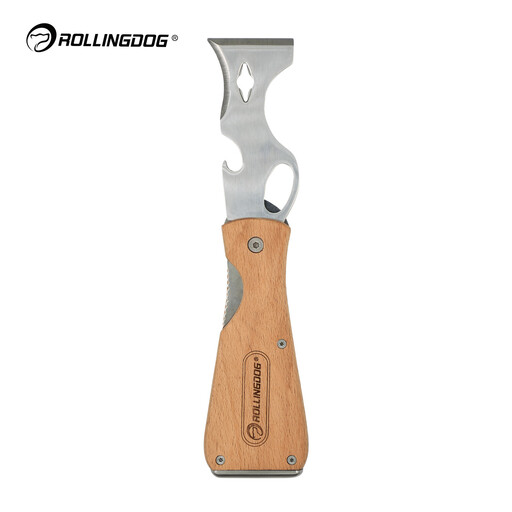
Why this choice suits this profile: For small wall repairs, this tool brings together several practical functions in a folding format that’s easy to carry.
The product sheet mentions a 420 stainless steel blade and a folding mechanism that must be secured before use. Two things to check when comparing multi‑function tools that can sometimes be imprecise.
Scraper, filling knife, nail puller, bottle opener, hammer end and belt clip. The handle is made from beech wood.
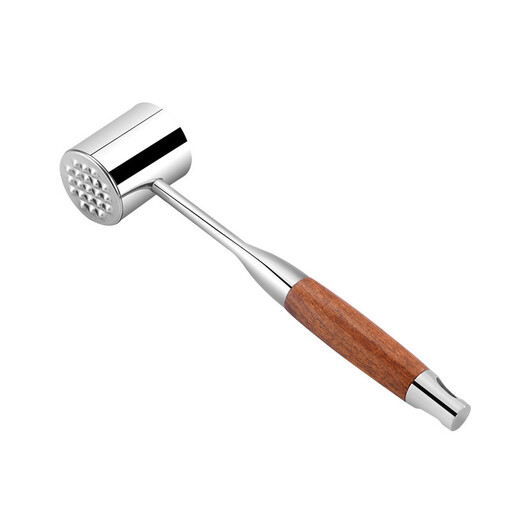
Why this choice suits this profile: Cooks looking for a durable, specialised accessory will appreciate its double‑sided head, designed for preparing different cuts of meat.
This product doesn’t claim to replace several kitchen utensils: its two surfaces each have a specific function, for flattening or tenderising food.
304 stainless steel head, wooden handle, flat face and textured face. Hand washing is recommended; this model is not dishwasher safe.
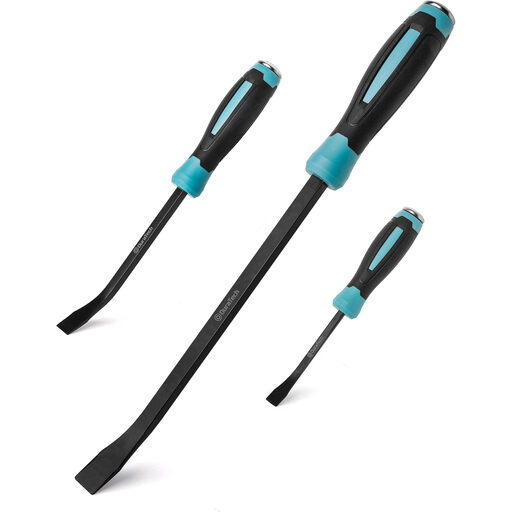
Why this choice suits this profile: Renovation work that requires different levels of leverage benefits from three lengths, suitable for both tight spaces and heavier loads.
The three sizes mean you don’t have to use a wrecking bar that’s too long in awkward spots. The striking caps are designed to take the hits.
Heat‑treated steel, black anti‑corrosion finish, angled tips and lengths of 20, 30 and 45 cm.
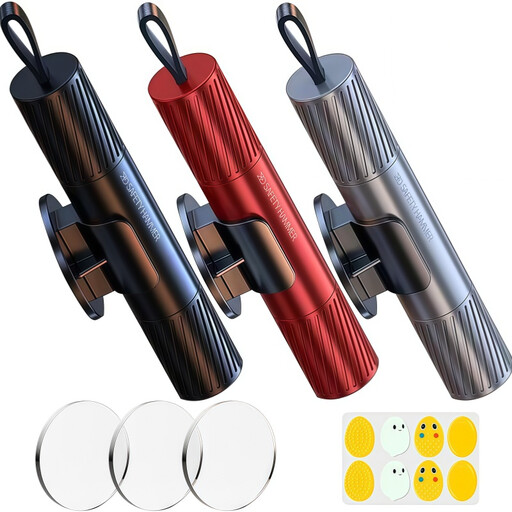
Why this choice suits this profile: This compact design can stay inside the cabin and combines a car emergency hammer with a seatbelt cutter.
The product sheet clearly states that the tip is intended only for tempered glass side windows. So there’s no assumption that it will work on a laminated windscreen.
Two functions, non‑slip handle, concealed cutting blade and stated size of approximately 9 cm. Fix it somewhere that’s easy to reach.
We’ve put together a comprehensive, real‑time selection of products that meet these demanding criteria as well as European safety regulations.
No. It’s mainly handy for one‑off jobs and small repairs. For regular use, a dedicated filling knife, a specific pair of pliers or a cordless drill‑driver will often give you better control and greater endurance.
It should be fixed inside the cabin, within reach of the driver or passengers, without being hidden or blocked by other objects. Before you buy, check the fixing system and the type of glass it’s designed for. A seatbelt cutter that no one can get to quickly loses much of its value.
Clean the accessory after each use, dry it immediately and follow the manufacturer’s recommendations. With a wooden handle, avoid prolonged soaking and keep an eye out for cracks. For renovation tools, remove any filler residue before it hardens, then store them in a dry place.