
Livraison le jour même ou le lendemain

Qualité garantie

Débloquez vos offres de bienvenue: Livraison GRATUITE | Jusqu'à -80 % | 30 jours d'essai gratuits à JoyPlus
Téléchargez l'application
A multi-purpose strong glue can come to the rescue when reattaching a broken item, securing a skirting board or joining two materials. However, not every formula is designed to withstand the same conditions. Instant glue is suitable for small, precise repairs, while construction adhesive is designed to hold larger elements in place. Epoxy glue, meanwhile, can fill a gap while strengthening the bond.
The trap is to rely solely on the word “strong” displayed on the packaging. It says little, if anything, about compatible materials, resistance to moisture or how long you need to wait before using the item again.
Some glues grab within seconds but only reach their maximum strength after several hours. An instant glue may therefore hold a component in place without being able to support a significant load. With epoxy glue or construction adhesive, it is best to follow the manufacturer’s stated curing time carefully before putting the bond under any strain.
Glue designed for plastic is not necessarily compatible with every type of plastic. Polyethylene (PE), polypropylene (PP) and PTFE are among the most difficult materials to bond. Some products also exclude flexible PVC, ABS, copper and acrylic glass.
Before buying, check the type and condition of the surface, along with the list of incompatible materials. This precaution prevents you from wasting repair glue on a material that cannot be bonded properly.
Waterproof or water-resistant glue may be suitable for use in a bathroom, kitchen or occasionally outdoors. That does not necessarily mean it will withstand permanent immersion. Actual resistance also depends on surface preparation, drying time and changes in temperature.
Surfaces should generally be clean, dry, degreased and dust-free. Porous wood, smooth metal, glass and plastic do not react in the same way. When bonding metal, thorough degreasing can improve adhesion. With wood glue, the pieces should fit together correctly and not be excessively damp.
Two-component products, such as certain epoxy resins, can also fill uneven areas and small gaps. However, they require a perfectly homogeneous mixture before application.
Look for three separate pieces of information on the packaging or technical datasheet :
Instant glue is mainly intended for small objects and quick bonds. Cartridge construction adhesive may provide an initial hold but can require up to 24 hours to reach its full strength.
For outdoor use, check resistance to moisture, UV rays and temperature fluctuations. Water-resistant glue may be suitable for decorative items, skirting boards or panels. To fill a defect or repair a rigid component, epoxy putty will generally be more suitable.
The packaging format is also important. A tube containing a few grams is enough for an occasional job. A 450 g cartridge or a 6 kg tub is intended for more substantial work and will generally require a suitable gun or application tool.
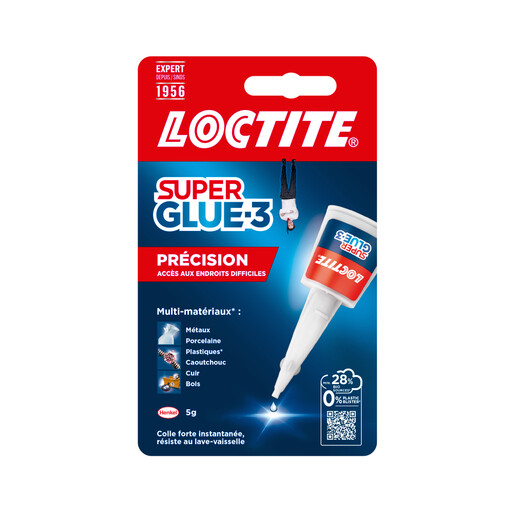
Why this choice suits this profile : its long nozzle lets you apply a small amount precisely to everyday objects, frames, ceramics or small components.
The drop-by-drop application limits excess glue and avoids choosing an oversized cartridge for an occasional repair.
Clear liquid formula, compatible with several materials and stated to be water-resistant once cured. Excludes PE, PP and PTFE.
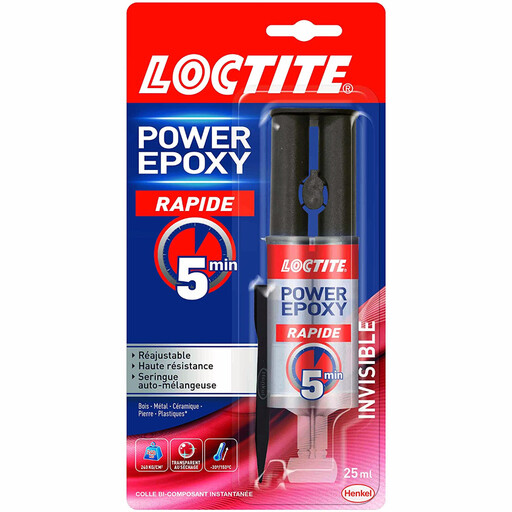
Why this choice suits this profile : this clear epoxy glue is suitable for bonds that require a neat finish, excellent gap-filling capability and outstanding versatility.
The self-mixing syringe helps prevent incorrect ratios, while the non-shrink formula avoids changes in volume during curing.
Stated 5-minute set time, clear finish, gap-filling capability and resistance to water, oil and common solvents once cured.
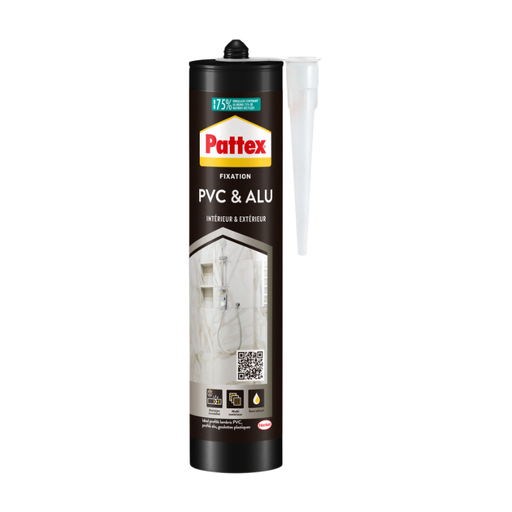
Why this choice suits this profile : its cartridge format is suitable for renovation, maintenance and repeated fixing jobs, both indoors and outdoors.
The product information details its compatibility limits, particularly with PE and PTFE, and specifies the temperature range as well as its resistance to moisture.
Flexible Flextec formula, stated to be compatible with PVC, aluminium, tiles, metal and plastic, with a specified resistance range of -30 °C to +90 °C.
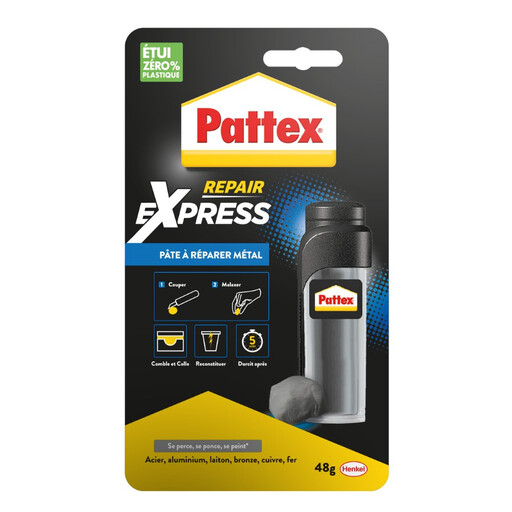
Why this choice suits this profile : its malleable texture is ideal for filling cracks, holes and uneven areas in metal components.
It is not just for bonding two flat surfaces : once cured, it can be shaped, sanded, painted and drilled.
Stated resistance to water, including immersion, and temperatures ranging from -30 °C to +120 °C. Excludes PE, PP and PTFE.
We have brought together a complete, real-time-updated selection of products that meet these demanding criteria, while complying with European safety regulations.
For a small repair involving ceramic, metal, wood or certain plastics, liquid or gel instant glue is generally the most practical solution. If the area is narrow, choose a precision nozzle. Always check which materials are excluded before application.
Waterproof construction adhesive may be suitable for skirting boards, panels, decorative items or bonds exposed to moisture. For a repair that needs to fill a gap or provide greater strength, epoxy glue advertised as water-resistant will often be more suitable. However, allow the product to cure fully before exposing it to water.
Shelf life varies according to the formula, packaging and storage conditions. Close the tube or cartridge carefully, store the product in a cool, dry place, then follow the date and instructions shown on the packaging. Once opened, instant glue can thicken much faster than a cartridge intended for several jobs.