
Livraison le jour même ou le lendemain

Qualité garantie

Débloquez vos offres de bienvenue: Livraison GRATUITE | Jusqu'à -80 % | 30 jours d'essai gratuits à JoyPlus
Téléchargez l'application
A multi-purpose spray can feel like the one bottle that does it all. In practice, a product designed for fabrics won’t necessarily suit your skin, kitchen surfaces or hair. The right choice depends on the formula, the surface and how it’s dispensed.
Before you place an order, three common mistakes keep cropping up:
The first question is simple: where does the product need to go?
Spraying an unsuitable surface can leave a stain, cause irritation or damage the material. When in doubt, test it on an inconspicuous area first.
Read the ingredients list and safety pictograms before you order. Biocidal products, such as certain mosquito repellents and disinfectant sprays, must be used strictly according to their label. For a product marketed as a repellent, check in particular:
The Marie Rose spray, for example, states a formula with 20% IR3535 and use from 3 years of age, with the number of applications varying by age. Always verify this information on the packaging you receive.
On the beauty side, the presence of fragrance, alcohol or allergens is also worth a look. Reactive skin types are better off choosing a short ingredients list and doing a patch test before first use.
A small 30–100 ml bottle slips easily into a bag or suitcase, but it empties quickly with daily use. At home, a 185–700 ml format is often more practical, as long as you store it somewhere safe.
The spray pattern matters too:
The cost per use is often more revealing than the price of the bottle. With the Love&Green eco-friendly cleaning refill, a 75 ml sachet is mixed with 675 ml of water to make 750 ml of product, according to the instructions provided. The bottle can then be reused several times, as long as you follow the dosage precisely.
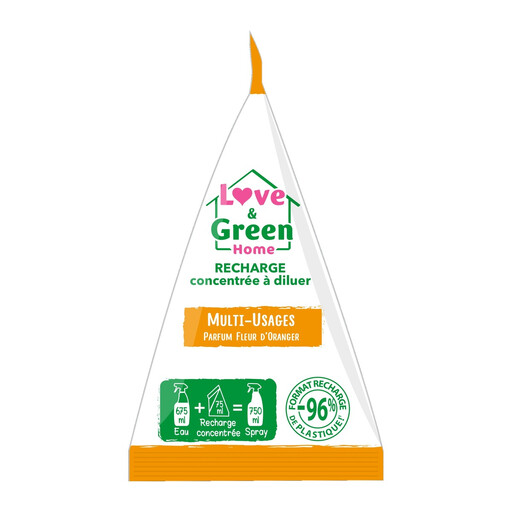
Why this suits this profile: The refill format is ideal for households that want to clean everyday surfaces without stockpiling ready-to-use bottles. The concentrate makes two 750 ml sprays with water.
The dilution ratios are clearly stated, which reduces the risk of under-dosing or mixing it incorrectly.
Two 75 ml refills, orange blossom fragrance, a formula stated as 99% naturally derived ingredients and Ecocert certification mentioned on the product page.
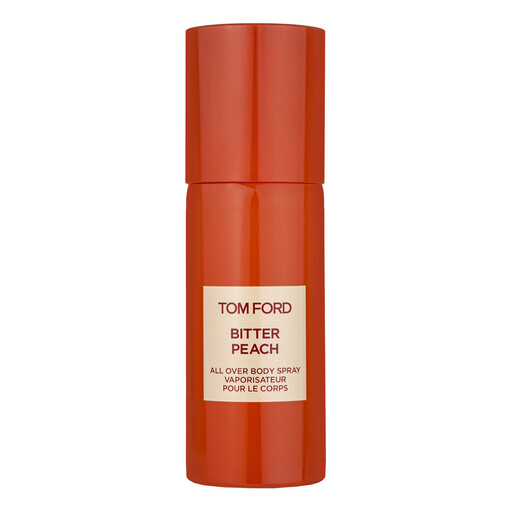
Why this suits this profile: This body spray is for those who want a quick, fragrant touch, with multi-angle coverage and the option to layer it with the matching eau de parfum.
Its intended use on the body is clearly stated – just avoid spraying it on clothing or near the eyes.
150 ml format, apply to the neck, arms, legs and chest, with 360° spray technology.
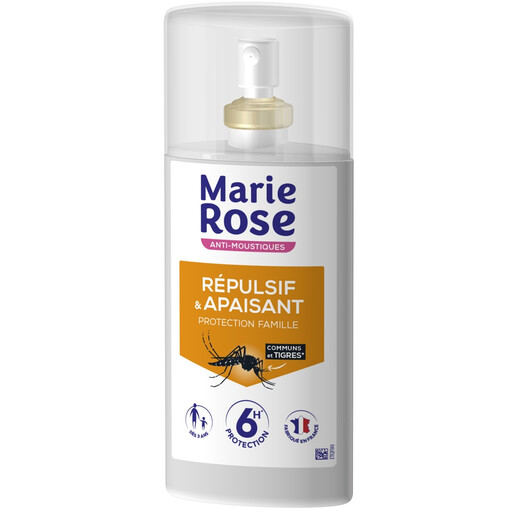
Why this suits this profile: Its travel-friendly size and detailed instructions come in handy during summer holidays, trips or outdoor activities – as long as you follow the biocidal label instructions.
The minimum age, number of applications and how to use it with sunscreen are all specified in the instructions provided.
100 ml, 20% IR3535 according to the product page, contains allantoin and menthol, apply only to exposed skin.
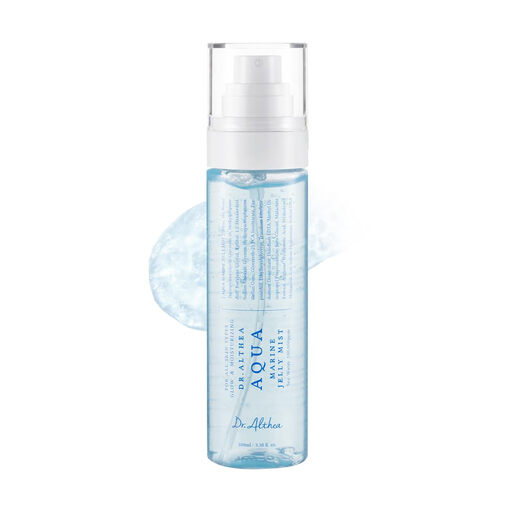
Why this suits this profile: This hydrating face mist fits into both a daily routine and a touch-up over makeup, especially when you’re on the move.
Its use on the face is completely different from a fabric or household spray – if you have sensitive skin, test it on a small area first.
100 ml, gel texture that transforms into a mist, hyaluronic acid, beta-glucan and can be used over makeup according to the product page.
We’ve put together a full selection, updated in real time, of products that meet these criteria and European safety standards.
For laundry and tricky-to-wash fabrics, the Febreze Fabric Refresher Air Escape 500 ml is marketed as a freshener for sofas, curtains, carpets, clothes and towels. Spray sparingly and allow to dry as directed.
To scent a room, a deodorising spray like AIR WICK Pure or Febreze Aero Fresh Linen is briefly diffused in a ventilated space. With pressurised aerosols, keep away from delicate surfaces and any naked flame.
Finally, a self-tanning mist, makeup setting spray or hairspray each serve a specific purpose. None of them replace sunscreen, a dermatological treatment or a household cleaner.
The shelf life depends on the formula and packaging. Check the expiry date or the period after opening stated on the packaging. Store the product away from heat, sunlight and frost, and regularly check that the nozzle isn’t clogged with residue.
Not necessarily. Some products are formulated for fabrics, while others are intended only for the air. Check the intended use on the packaging and test on an inconspicuous area before applying more widely.
It can reduce the cost per bottle and the amount of packaging, but you need to factor in the price of the refill, how many dilutions you can get from it and the initial purchase of the reusable bottle. Always stick to the stated dosage rather than altering the concentration.