
Livraison le jour même ou le lendemain

Qualité garantie

Débloquez vos offres de bienvenue: Livraison GRATUITE | Jusqu'à -80 % | 30 jours d'essai gratuits à JoyPlus
Téléchargez l'application
A versatile tool can make a home repair, electrical installation or woodworking project much easier. However, not all multi-purpose pliers and cutting tools are interchangeable. Wire strippers are not designed to replace bolt cutters, just as nail-pulling pliers should never be used to cut a live cable.
Before placing your order, three common mistakes are worth avoiding:
The maximum diameter stated by the manufacturer should match your actual requirements. A cable cutter designed for a bicycle brake cable is not chosen in the same way as a bolt cutter designed for particularly hard metal wires.
In particular, check:
For example, the 200 mm WORKPRO multi-purpose pliers are designed to strip 10, 12, 14 and 16 AWG wires, as well as cut hard wire up to 2.0 mm. This type of information is far more useful than a general promise of performance.
For DIY tools used regularly, look for construction in chrome vanadium steel, chrome-molybdenum steel or properly treated carbon steel. Forging and heat treatment generally strengthen the jaws, but they do not automatically make the tool suitable for every job.
Whether you are choosing wire cutters, long-nose pliers or water-pump pliers, also check the following:
For electrical work, never use a tool on a live circuit unless it has a specific rating for this type of work. The manufacturer’s instructions and the safety regulations in force in France always take priority.
A PP and TPR handle improves grip during prolonged use. An opening spring reduces repetitive movements, while a locking mechanism in the closed position makes the tool easier to carry in a toolbox.
Protective equipment is essential : wear safety goggles to protect against flying fragments and gloves suitable for the task. Before each use, inspect the blades, jaws and pivot. Never exceed the cutting capacity specified by the manufacturer.
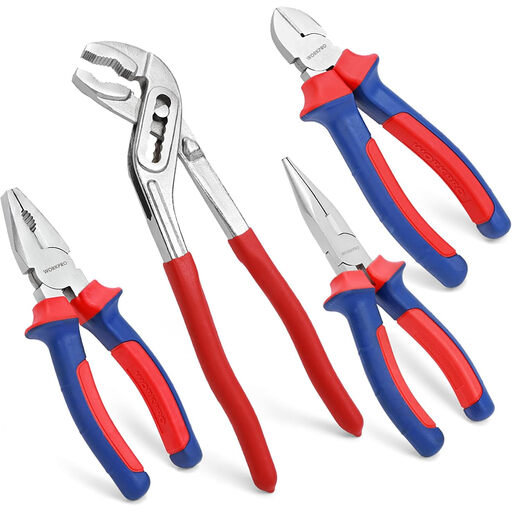
Why this choice suits this profile : This set includes 160 mm combination pliers, long-nose pliers, side cutters and 244 mm water-pump pliers. It covers the essentials for everyday repairs, DIY and home maintenance.
With four different types of pliers, you do not have to expect one tool to do everything and can choose the right jaws for each job.
Forged, heat-treated alloy steel, non-slip PP/TPR handles and four tools in one set.
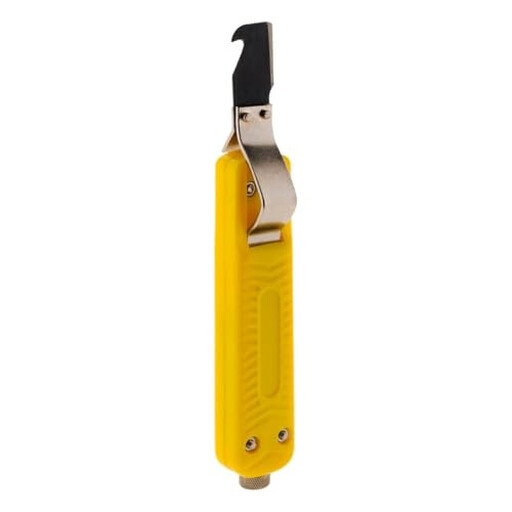
Why this choice suits this profile : Electricians and installers looking for a specialist tool can adjust the cutting depth to suit the thickness of the insulation.
The adjustment screw reduces the risk of nicking the internal conductors while stripping.
Stripping, cutting and slitting functions, hardened steel blade, ergonomic 165 mm handle and a two-year warranty stated by the manufacturer.
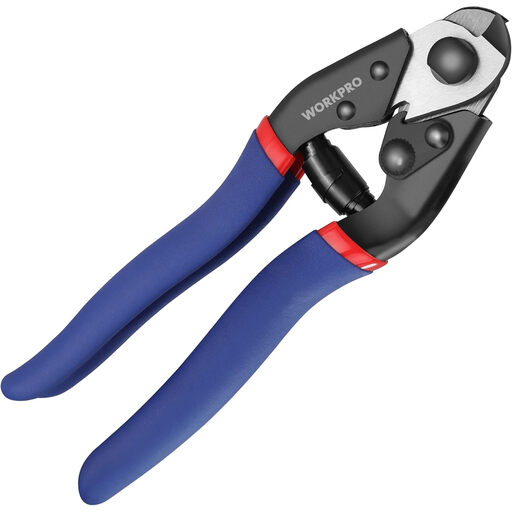
Why this choice suits this profile : This cable cutter is designed for steel cables, stainless steel cables, bicycle brake cables and wire rope.
Its design is specifically geared towards cables and metal wires. This helps you avoid putting unnecessary strain on standard side cutters.
Forged and treated chrome vanadium steel, opening spring, ergonomic handles and safety lock.
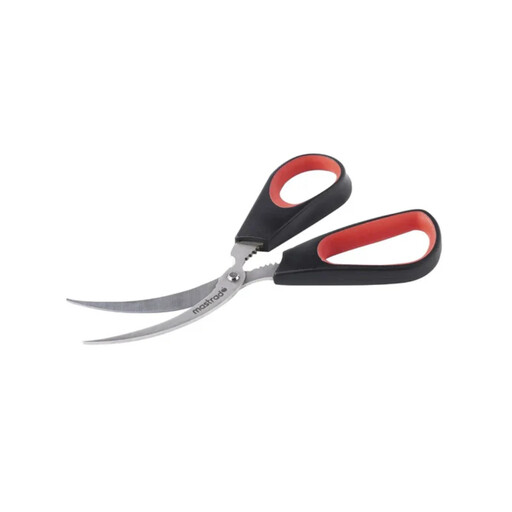
Why this choice suits this profile : This accessory is ideal for kitchens that regularly prepare prawns, crabs, langoustines or lobsters.
Its shape is designed for shells, so you can keep your regular kitchen scissors for their intended use.
Stainless steel and ABS construction, tip designed for legs and claws, and dishwasher-safe cleaning as stated by the manufacturer.
We have put together a complete, real-time updated selection of products that meet these demanding criteria while complying with European safety regulations.
A few simple steps are enough to preserve jaw precision and keep the pivot moving smoothly:
For electrical installations, keep hand tools separate from power tools and clearly identify those reserved for a specific task. A manicure kit, for example, should be used solely for nail care and cleaned accordingly : it has no place in a DIY toolbox.
To cut an electrical cable, choose wire cutters or side cutters with a capacity suited to the diameter and type of conductor. To remove the insulation, wire strippers or an adjustable cable-stripping knife will be more suitable. Always switch off the power before starting work and check the site-specific safety requirements.
Their lifespan depends on how often they are used, humidity, the material being cut and whether the maximum capacity is respected. A tool that is cleaned, lightly lubricated and stored in a dry place will remain functional for longer than one left damp or used on materials that are too hard.
A set of pliers is generally enough for household repairs, routine maintenance and small DIY projects. Regular users — plumbers, joiners or electricians — will often benefit from adding a cable cutter, wire strippers, bolt cutters or nail-pulling pliers, depending on their specific requirements.