
Livraison le jour même ou le lendemain

Qualité garantie

Débloquez vos offres de bienvenue: Livraison GRATUITE | Jusqu'à -80 % | 30 jours d'essai gratuits à JoyPlus
Téléchargez l'application
Whether you’re tending your garden, carrying out an electrical installation or fitting PVC components, multi‑purpose cutting tools can save you a great deal of time. But be warned: a tool that’s marketed as versatile isn’t necessarily suitable for every material.
Three common pitfalls crop up time and again when buying:
To make the right choice, it’s far better to examine the blade material, the actual cutting capacity and the safety features, rather than relying solely on the word “multi‑purpose”.
In garden tools, SK5 steel is often favoured for its hardness and wear resistance. You’ll find it on certain secateurs intended for branches and stems.
The shape of the blade also plays a key role:
Always check the compatible materials on the product page. Even a tough steel isn’t automatically suitable for all metals.
The cutting capacity must match your intended use. A pair of secateurs rated for branches up to 25 mm should not be used regularly beyond that limit. For a cable cutter, you also need to consider the diameter, structure and material of the cable.
Dimensions also affect handling:
With wire‑stripping pliers, check the compatible wire gauges. The WORKPRO model shown below accepts certain wire sizes expressed in 10, 12, 14 and 16 AWG. This specification must be followed to avoid damaging the conductor.
A locking catch makes a cutting tool easier to carry and store. A return spring reduces fatigue during repetitive tasks, while a non‑slip coating improves grip.
Maintenance is simple, but shouldn’t be overlooked:
In the kitchen, a multi‑purpose grater must be thoroughly washed and dried after each use. Its metal edges can be sharp: place it on a stable surface and handle it with care.
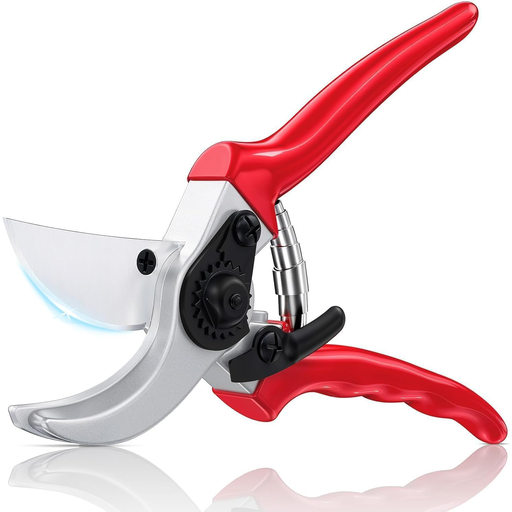
Why this choice suits you: This model is ideal for homeowners who want to maintain their roses, shrubs, fruit trees or bonsai with a single dedicated tool.
The stated capacity of up to 25 mm gives you a clear idea of its range of use, rather than promising versatility without any concrete indication.
SK5 steel blade, bypass cut and aluminium handle with a non‑slip surface.
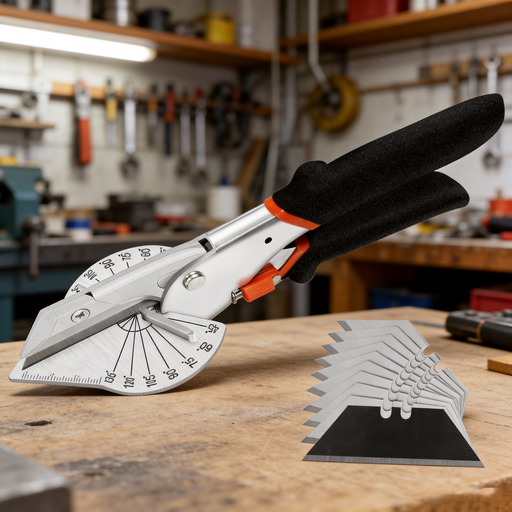
Why this choice suits you: It’s aimed at users who regularly fit sealants, mouldings, PVC components or soft plastic parts.
The adjustable scale from 45° to 135° lets you set the cutting angle precisely. The product page also clearly states the recommended materials and those to avoid.
Replaceable SK5 blades, aluminium alloy handle and 10 spare blades included.
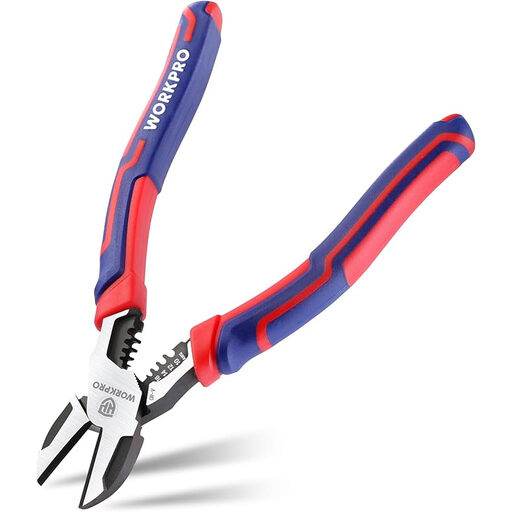
Why this choice suits you: These pliers are ideal for electricians, installers, maintenance technicians and DIYers who switch between stripping and cutting wires.
The compatible wire gauges and the cutting limit for hard wires, up to 2 mm, are clearly stated. That helps you choose the right tool for each job.
Cutting and stripping functions, chrome‑vanadium steel and non‑slip TPR handles.
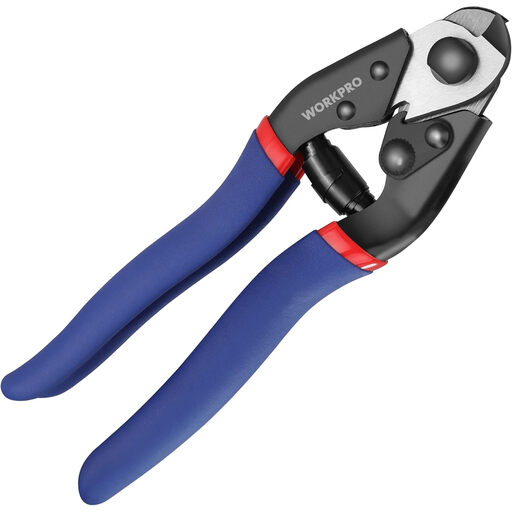
Why this choice suits you: It’s designed for repairs on steel cables, wire ropes, bicycle brake cables and tough wires.
Its design is clearly aimed at cables and metal wires — so it doesn’t replace wire‑stripping pliers for insulated electrical conductors.
Forged chrome‑vanadium steel, opening spring, ergonomic handles and safety lock.
We’ve put together a comprehensive, real‑time selection of products that meet these strict criteria as well as European safety regulations.
Not always. A combined tool can reduce the number of accessories needed for similar tasks, such as cutting and stripping certain wires. However, a pair of garden secateurs, a mitre shear and a cable cutter each meet very different requirements. The material and diameter must always remain compatible with each tool.
Clean the blades after each use, avoid materials the tool isn’t designed for, and never force it beyond its stated capacity. Lubricate the pivot points of pliers and replace interchangeable blades when they no longer produce a clean, even cut. Storing the tool in a dry place with the lock engaged also reduces the risk of impact damage and corrosion.
A hot‑wire polystyrene cutting tool is specifically designed for this material. It cuts progressively by heating the wire. Wear appropriate protection, work in a well‑ventilated area and follow the manufacturer’s instructions. A standard shear or wire cutter is not designed for this type of use.