
Livraison le jour même ou le lendemain

Qualité garantie

Débloquez vos offres de bienvenue: Livraison GRATUITE | Jusqu'à -80 % | 30 jours d'essai gratuits à JoyPlus
Téléchargez l'application
A tool stamped "multi-purpose" doesn't necessarily meet every need. In the kitchen, the garden, for DIY or in the car, the shape of the blade, the cutting capacity and the safety of use matter far more than the number of functions printed on the packaging.
Before buying multi-purpose cutting tools, start by determining the material you need to cut, how often you'll use it and how much space you have to store the tool. This approach helps you avoid unsuitable purchases and allows you to compare products against concrete criteria.
A potato cutter may work perfectly well on firm tubers, but not necessarily on very hard or large vegetables. Similarly, a manual french fry slicer isn't designed to replace a kitchen knife, an electric meat grinder or a mitre shear.
The term "multi-purpose" often refers to several similar uses, not a tool capable of cutting all materials. Always check the intended purpose, as well as the limits on diameter, thickness or hardness.
A blade may seem incredibly sharp on first use, but quickly lose its effectiveness if it isn't suited to the material being worked. In the kitchen, stainless steel makes maintenance easier. In the garden, high-carbon steel can deliver a clean cut, but it generally requires cleaning and drying after each use.
The mechanism also plays a key role: smooth articulation, a non-slip handle, a locking system and the ability to replace the blade are often more useful than a simple promise of power.
Kitchen scissors, boning knives, garden secateurs and cordless electric shears all have exposed or motorised blades. Reliable locking, blade protection and a stable grip reduce the risk of accidental handling.
For a car window-breaking hammer, compatibility is essential: the model shown below is designed for tempered glass side windows, not for windscreens or laminated glass.
Start by checking the blade material and the intended use. Stainless steel is practical in the kitchen and resists moisture better. An SK5 steel blade, as found on some garden or DIY tools, is designed for repeated cuts in compatible materials.
The cutting capacity should be clearly stated. For example, the FLORA GUARD secateurs shown later have a maximum capacity of 6 mm, while the GARTOL telescopic lopper indicates 1.25 inches, approximately 31.75 mm. These limits are not just guidelines: forcing a branch or material that is too hard risks damaging the blade and increasing the risk of injury.
A non-slip handle, a well-positioned pivot and a reasonable weight make all the difference during prolonged use. For a mitre shear, a graduated scale from 45° to 135° makes repeated cuts easier. With cordless electric shears, check the battery voltage, the stated runtime, the locking system and the charging method.
A more powerful tool isn't necessarily more practical. In a small kitchen, a compact potato cutter will often be easier to store than a bulky appliance. For a workshop or heavy-duty use, a reinforced mechanism and replaceable blades may justify a higher budget.
After each use, remove any residue, wipe down the surfaces and store the tool in a dry place. A drop of oil on the pivot of a secateur or lopper is sometimes enough to keep the mechanism moving smoothly. The blades of an electric meat grinder should be cleaned according to the manufacturer's instructions, then thoroughly dried before being stored.
A pill cutter requires special care: only use it if the instructions or a healthcare professional confirm that the tablet can be split. Some medications must never be cut. The mechanical precision of the tool does not replace the need for prior verification.
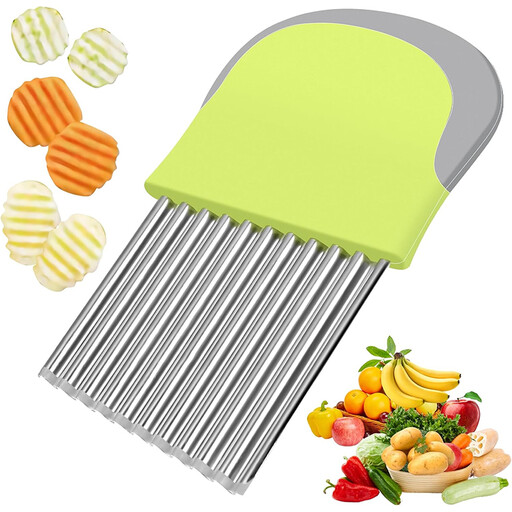
Why this choice suits this profile: This potato cutter is for those who want to make homemade chips with a dedicated accessory, featuring a green non-slip handle.
Its function is clearly targeted: it doesn't claim to replace all kitchen utensils, which avoids unrealistic expectations.
430 stainless steel as stated in the product name and non-slip handle for a more stable grip.
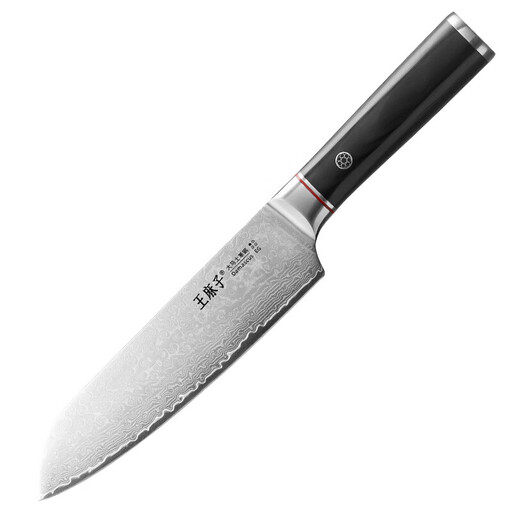
Why this choice suits this profile: This small kitchen knife is aimed at enthusiasts looking for a versatile tool for fruit, vegetables and certain meat cuts.
It is presented as a small versatile knife, not as a replacement for a boning knife or a large chef's knife.
A format suited to precision work and a design stated to be in Damascus steel.
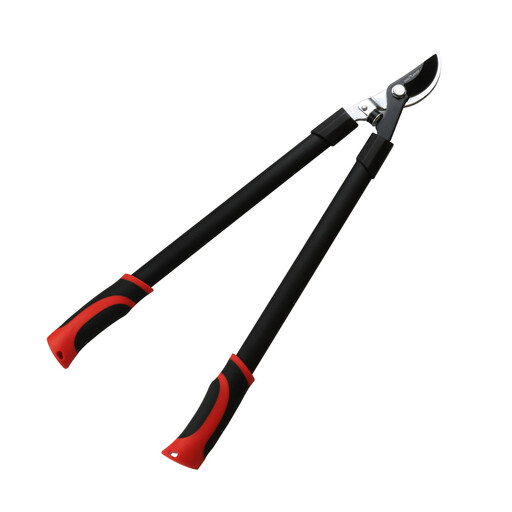
Why this choice suits this profile: This lopper is for gardeners who regularly maintain shrubs, hedges and branches, within the stated cutting limit.
The cutting capacity of 1.25 inches is clearly stated, so you can compare it to the actual diameter of branches before buying.
SK5 carbon steel blade, reinforced handles and recommended maintenance with cleaning, drying and light oiling.
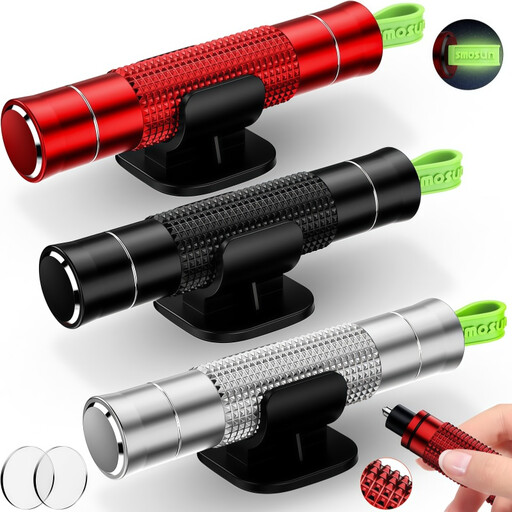
Why this choice suits this profile: This car window-breaking hammer is for motorists who want to keep a compact emergency accessory in the cabin.
The product page specifies that the tool works on tempered glass side windows, but not on the laminated glass of the windscreen or roof.
Two functions combined — window breaker and seatbelt cutter — in a format of approximately 10 cm, with a stated non-slip handle.
We've put together a comprehensive, real-time updated selection of products that meet these demanding criteria and European safety standards.
Clean the blade after each use, dry it thoroughly and occasionally apply a suitable oil to the metal pivots. Avoid materials that exceed the stated capacity and store the tool locked, away from moisture and out of reach of children.
The cost of use mainly depends on the battery, how often you recharge it and any eventual blade replacement. A USB-C rechargeable model avoids buying batteries, but you must use the cable and power source specified by the manufacturer.
Choose a blade suited to each task: potato cutter or french fry slicer for even batons, kitchen knife for everyday cutting, kitchen scissors for soft foods and boning knife for pieces of meat. Ease of cleaning and handle stability should also be taken into account.