
Livraison le jour même ou le lendemain

Qualité garantie

Débloquez vos offres de bienvenue: Livraison GRATUITE | Jusqu'à -80 % | 30 jours d'essai gratuits à JoyPlus
Téléchargez l'application
A sponge that tears quickly, scratches a pan or holds onto odours can end up costing more than a well-chosen set. Washing-up, worktops, shower screens or trainers: multi-purpose cleaning sponges aren’t all designed for the same jobs.
Before you make your choice, three common pitfalls keep cropping up:
The choice depends first and foremost on the surfaces you need to clean. A non-scratch sponge can work on glass, ceramic or certain worktops, but it’s always best to test it on an inconspicuous area first. Non-stick coatings, glossy surfaces and dark paints need particular care.
For baked-on dirt, a scouring side is handy on saucepans, the sink or compatible hobs. However, it shouldn’t be used routinely on a non-stick pan or a delicate material. A soft or microfibre side gives you more control for wiping and finishing touches.
Polyurethane is very common in washing-up sponges, mainly because it holds water and cleaning product well. Vegetable cellulose – made, depending on the model, from wood, cotton or linen fibres – also offers good absorbency.
A microfibre sponge can be useful for removing streaks and trapping small particles on smooth surfaces. Two-sided models let you switch from gentle washing to scrubbing without changing tools. Do check the composition and usage instructions, though: “microfibre” doesn’t automatically mean the sponge is suitable for every surface.
Machine-washable sponges can reduce how often you need to replace them, provided you stick to the temperature the manufacturer recommends. Some models can be washed at 40 °C, others at 70 °C. A higher temperature can make maintenance easier, but it won’t turn a worn-out sponge into a new one.
After each use, rinse the sponge thoroughly, squeeze it out without twisting it too hard, and leave it to dry in a well-ventilated spot. To keep your home hygienic, replace it when it becomes misshapen, starts to fray or holds a persistent odour. The stated lifespan – often given as a number of wash cycles – is only a guide and depends on how intensively you use it.
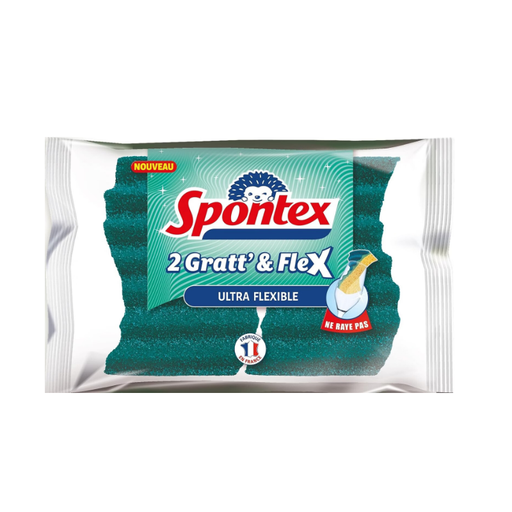
Why this choice suits this profile: their flexible design makes them easy to handle for washing-up and everyday cleaning. The pack of two lets you get started without buying lots of extras.
The side described as non-scratch reduces the risk of using a texture that’s too harsh. A test on a small area is still recommended for sensitive surfaces.
Flexible format, described as suitable for glass and machine-washable according to the product instructions.
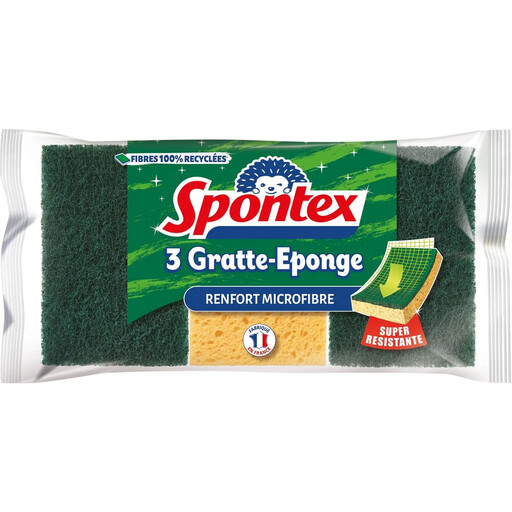
Why this choice suits this profile: this model combines a microfibre side with a scouring side. A practical choice for households that want one tool for dishes, the kitchen and the bathroom.
The separate sides mean you don’t use the scouring part for simple wiping tasks. Delicate surfaces should still be tested before use.
Absorbent vegetable cellulose side, microfibre texture and machine-washable at 40 °C as stated.
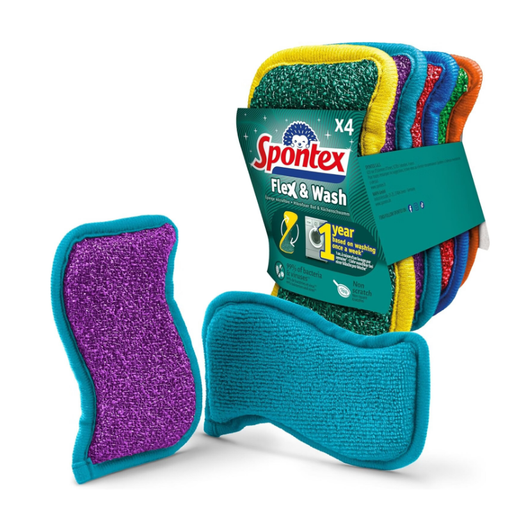
Why this choice suits this profile: their S-shape and two sides suit people who frequently clean the kitchen, bathroom, car or hard-to-reach areas.
Machine-washing for up to 52 cycles, as stated, helps space out replacements. You still need to follow the manufacturer’s instructions and change the sponge as soon as its performance drops.
Four sponges, flexible shape, microfibre side and scouring side described as non-scratch.
We’ve put together a full, real-time updated selection of products that meet these exacting criteria and European safety standards.
When cleaning the kitchen and bathroom, try to keep sponges for washing-up separate from those you use for the toilet. Rinse them before first use, and then after every job. Avoid very hot surfaces, concentrated corrosive products and any contact with skin.
A magic sponge is generally used slightly damp, not soaking wet. Its surface can alter the look of a glossy or painted finish: always test it on a small, hidden area first. With a scouring sponge, keep the abrasive side for compatible materials and use a light touch.
It all depends on how often you use it, the products you use and the material. Replace it as soon as it becomes misshapen, starts to fray, holds an odour or no longer rinses clean. Some Spontex models recommend replacing roughly every two months, while washable sponges can last longer if they remain in good condition.
No. Only models that state this on the label can go in the machine. Stick to the recommended temperature, then let the sponge dry completely. A model not designed for this treatment may lose its shape or properties.
Go for a soft side and check the manufacturer’s compatibility information explicitly. Even a sponge described as non-scratch should be tested on a small area. Avoid the scouring part if the instructions advise against using it on non-stick coatings.