
Livraison le jour même ou le lendemain

Qualité garantie

Débloquez vos offres de bienvenue: Livraison GRATUITE | Jusqu'à -80 % | 30 jours d'essai gratuits à JoyPlus
Téléchargez l'application
A multi-purpose cleaning sponge can be just as useful for washing dishes as it is for wiping down a worktop or cleaning the bathroom. But not all options are equal when it comes to different surfaces. A scouring side that's too abrasive can mark a hob, while a sponge that's too dense holds onto grease and takes ages to dry.
Before you buy, three common mistakes keep cropping up:
A double-sided washing-up sponge usually combines a soft, absorbent side with a scouring side. A handy format for switching from everyday cleaning to shifting stubborn bits.
Vegetable cellulose — often made from cotton, wood pulp or flax — soaks up water and cleaning product. The abrasive side, made from synthetic or mineral fibres, boosts the scrubbing power. The non-scratch label should be taken as a guide for use, not as a guarantee that works on every material.
For a non-stick pan, a ceramic hob or a shiny surface, use the soft side or go for a sponge designed for delicate surfaces. When in doubt, always test on a small, hidden area.
A well-absorbent sponge makes it easier to wipe up water around the sink, basin or shower. On the flip side, a material that holds a lot of liquid usually needs a more thorough rinse.
To cut down on grease residue:
A grease-fighting sponge with fibres that rinse easily can come in handy for very greasy dishes and utensils. But it doesn't replace regular care: change it as soon as the material starts to fray or a smell lingers.
A machine-washable sponge can stretch out the time between replacements, as long as you follow the manufacturer's instructions. Some models can handle a 40°C wash, while others are labelled as washable at 70°C. The temperature stated on the packaging is the only reliable guide.
Putting it through the machine doesn't turn a worn-out sponge into a new one. Replace it if the abrasive side starts to peel, the foam loses its shape or a smell persists. Several Spontex models recommend changing them roughly every two months for hygiene reasons, even if the material still seems sturdy.
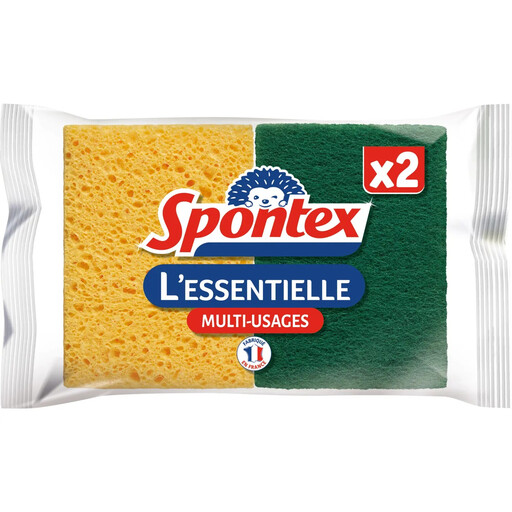
Why this pick suits this profile: this pack of two sponges combines a scouring side and a soft side in a compact format, handy for everyday kitchen tasks.
The double-sided design means you don't have to use an abrasive surface for every job. The PEFC-certified vegetable side is for absorbing and finishing touches.
Pack of two, absorbent PEFC-certified vegetable cellulose and reportedly made in France.
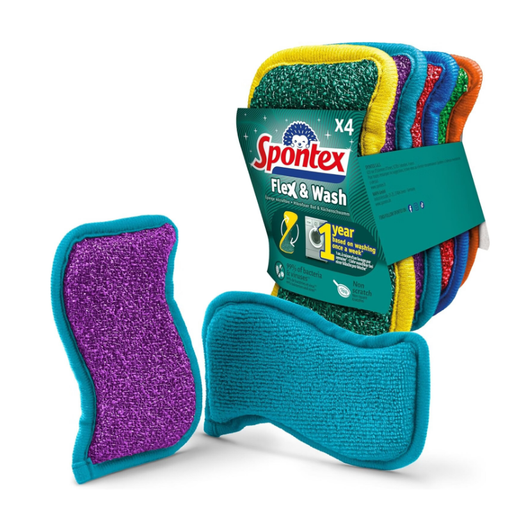
Why this pick suits this profile: its ergonomic, washable format suits households that want to space out replacements and regularly clean several rooms.
The claimed ability to withstand up to 52 washes cuts down the risk of having to replace it too often, as long as you follow the care instructions.
Pack of four, flexible S-shape, microfibre side and scouring side made with recycled fibres.
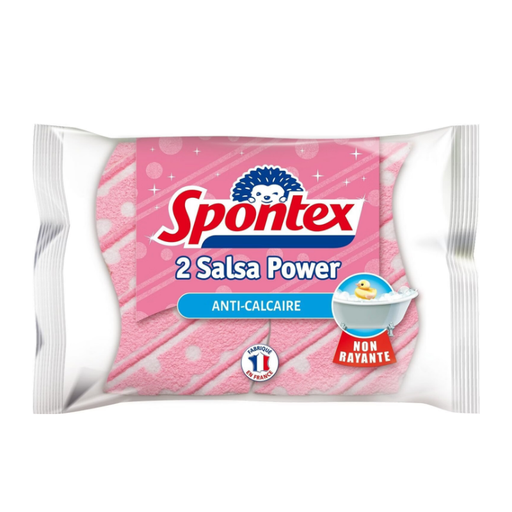
Why this pick suits this profile: this bathroom sponge is designed for basins, mirrors, shower screens, baths and taps.
Designed for the bathroom, it stops you using a washing-up sponge loaded with grease on sanitary surfaces.
Pack of two, claimed non-scratch side and a shape designed to reach narrow corners.
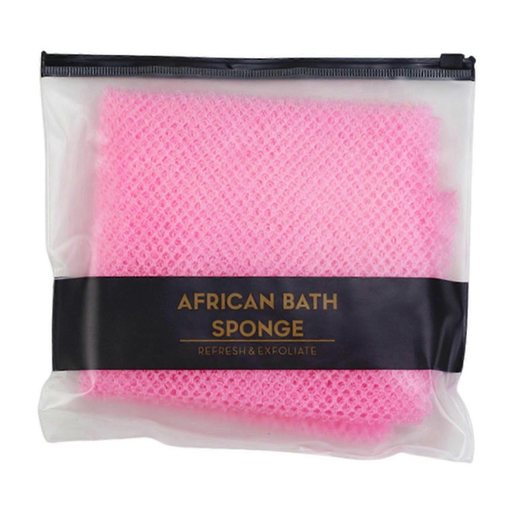
Why this pick suits this profile: this long African exfoliating net, complete with cords, makes it easier to wash your back and hard-to-reach areas.
Its open mesh dries quickly and machine washing is reportedly possible. This net is for external use only: never use it to clean surfaces.
100% nylon, claimed weight of 90g, integrated cord and can be hung to dry.
We've put together a comprehensive, real-time selection of products that meet these demanding criteria and European safety standards.
Don't mix up sponges meant for washing-up, the bathroom and your body. For a machine-washable model, stick to the temperature stated and let it dry completely at the end of the cycle. Non-washable sponges should be rinsed thoroughly, then placed in an airy holder.
Even a long-lasting sponge is still a consumable. Replace it as soon as it tears, loses its shape, stops being absorbent or keeps a smell despite rinsing. That habit is better than sticking to the theoretical lifespan printed on the packaging.
For plates, pans and other everyday utensils, go for a double-sided sponge with an absorbent part and a scouring side. On non-stick coatings, choose a non-scratch sponge and avoid pressing too hard.
Yes, if the manufacturer allows it. The temperature varies depending on the model: 40°C for some, 70°C for others. Always check the label and change the sponge at the first sign of significant wear.
A bathroom sponge can be used to apply a suitable product to taps, the basin or the shower screen. Then rinse the surface and the sponge. On glass, sealant and delicate finishes, start by testing the product on a small, inconspicuous area.