
Livraison le jour même ou le lendemain

Qualité garantie

Débloquez vos offres de bienvenue: Livraison GRATUITE | Jusqu'à -80 % | 30 jours d'essai gratuits à JoyPlus
Téléchargez l'application
Standing in the cleaning products aisle, choosing a multi-purpose cleaner can quickly become a daunting task. Labels promise unbeatable effectiveness on all surfaces, fresh scents, and eco-friendly formulas. Yet, once you get home, the results can be disappointing?: streaks on windows, stubborn grease that resists in the kitchen, or an overpowering chemical scent.
As the Head of Product Recommendations at Joybuy, my mission is to help you cut through the noise. Let's forget the marketing jargon and focus on the criteria that truly matter. Here are the most common traps to avoid and the key points to check to find the cleaning spray that's perfectly suited to your needs.
To make the right choice, focus on three simple yet fundamental points.
A product's chemical composition determines its effectiveness on specific types of dirt.
A good cleaning product shouldn't damage your home's surfaces. Before any purchase, carefully read the manufacturer's recommendations. Some cleaning agents can be too harsh for untreated wood, marble, aluminium, or certain lacquered surfaces. For glass surfaces, mirrors, or screens, a streak-free glass cleaner that is pH-neutral and evaporates quickly is essential for a flawless result.
We spend a lot of time indoors, and air quality is paramount. Some cleaners release volatile organic compounds (VOCs) that can be irritating. Labels like Airlabel (with an A+ score) guarantee very low emissions into the ambient air. As for the ECOCERT certification, it ensures that a high percentage of the ingredients are of natural origin and that the manufacturing process meets strict environmental criteria.
Instead of an endless list, here are targeted products for specific needs that perfectly illustrate how to avoid the common traps.
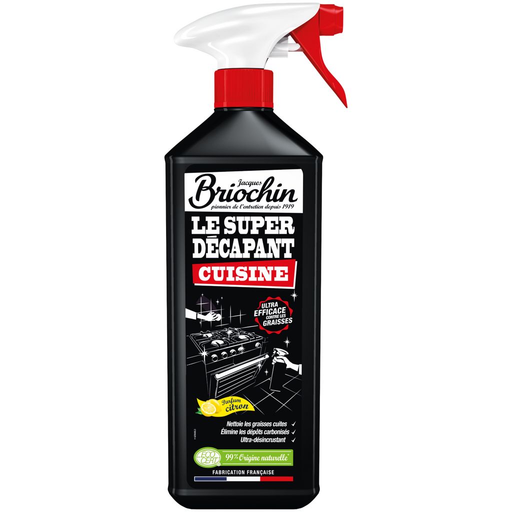
Why it stands out : Ideal for avid cooks battling baked-on and carbonised grease. Its formula is tailor-made for critical areas : hobs, extractor hoods, and even barbecue grills.
It doesn't claim to be an all-in-one solution. It's a powerful degreasing specialist, making it formidable where general-purpose cleaners fail. Its ECOCERT certification is a verifiable guarantee, not just a marketing claim.
Formula with 99.5% ingredients of natural origin. Its active foam clings to vertical surfaces to deep-clean embedded dirt.
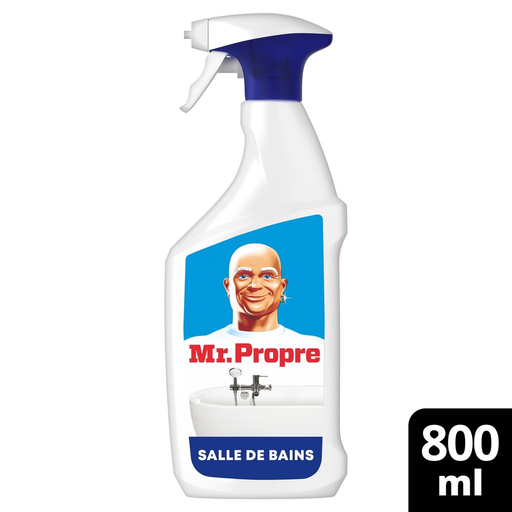
Why it stands out : Perfect for the daily maintenance of bathrooms where limescale and soap scum build up on taps, shower screens, and sinks.
This product doesn't promise to degrease a hob. It focuses on its mission : eliminating limescale and water spots. Its formula prevents the rapid return of buildup, a real advantage that generalist products don't offer.
Powerful anti-limescale formula that removes existing deposits. It leaves a protective barrier that restores shine and delays the appearance of new water spots.
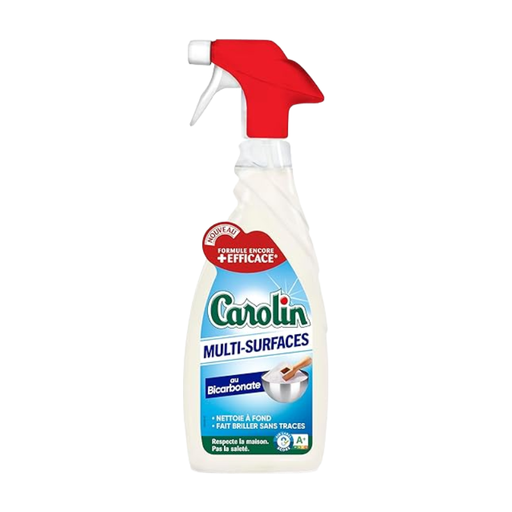
Why it stands out : For people sensitive to scents, families with young children, or anyone looking to minimise their chemical exposure. It effectively cleans most everyday surfaces without any added fragrance.
It goes beyond simple "green" marketing by displaying an Airlabel A+ score—an objective metric guaranteeing very low VOC emissions. The lack of fragrance is a deliberate choice for health, not a shortcoming.
Airlabel A+ certified for better indoor air quality. Fragrance-free formula, ideal for food-contact surfaces and sensitive individuals.
We have curated a complete range of products that meet these strict standards.
No, that's a marketing shortcut. Always read the label. Delicate surfaces like marble, untreated wood, brass, or certain plastics require specific products. When in doubt, do a spot test on an inconspicuous area before applying it to the entire surface.
For routine cleaning, a good classic cleaner is perfectly adequate. An antibacterial cleaner is primarily recommended for high-risk areas of contamination?: countertops after contact with raw meat, bins, toilets, or during an epidemic. The key is to respect the recommended contact time to ensure its disinfecting action.
For a streak-free glass cleaner, the secret is as much in the technique as it is in the product. Use a clean, dry microfibre cloth reserved for this purpose. Avoid cleaning in direct sunlight, as the heat causes the product to dry too quickly and create streaks. Finally, spray the product onto the cloth rather than directly onto the glass to better control the amount used.