
Livraison le jour même ou le lendemain

Qualité garantie

Débloquez vos offres de bienvenue: Livraison GRATUITE | Jusqu'à -80 % | 30 jours d'essai gratuits à JoyPlus
Téléchargez l'application
Faced with shelves full of promises, choosing a multi-purpose cleaner can quickly become a headache. Between revolutionary-sounding formulas and a wide variety of formats, it's easy to feel overwhelmed or make a purchase you'll regret. As a product expert at Joybuy, my role is to help you decode labels and make the right choice. Let's review the most common mistakes so your next purchase is finally the right one.
The art of marketing cleaning products often relies on... confusion. Here are 3 classic pitfalls that will cost you time and money:
To cut through the noise, forget the promises and focus on what truly matters for a multi-surface cleaner.
Each product has its specialty, dictated by its chemical composition.
The ideal format is the one that fits your habits.
The "multi-surface" label doesn't mean "all surfaces"! Delicate materials like marble, untreated wood, certain plastics, or electronic device screens require specific products. A good rule of thumb: always check the contraindications on the label and perform a test on a small, inconspicuous area before the first use.
To move from theory to practice, here are three products that meet specific needs and have passed our rigorous analysis.
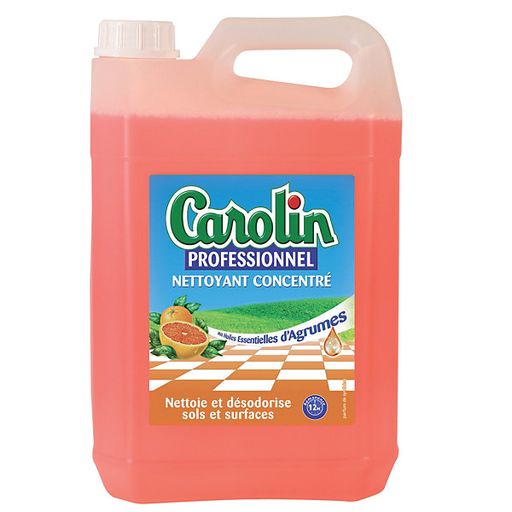
Why we chose it: Ideal for businesses, rental managers, or large families for maintaining vast surfaces. Its 5 L concentrated format offers excellent value for money and reduces the frequency of purchases.
It avoids the false economy trap: this is a professional formula, designed for dilution, which guarantees stable effectiveness and an unbeatable cost-per-use.
Concentrated formula for extended use and food-safe certification, an essential safety guarantee in any kitchen, whether professional or domestic.
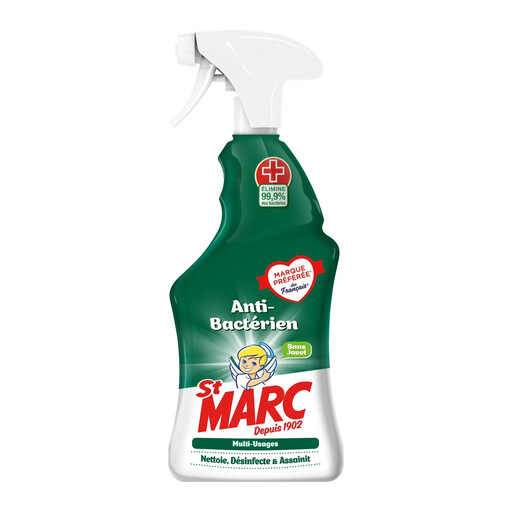
Why we chose it: Perfect for households seeking both cleanliness and hygiene. The spray format is ultra-practical for a quick wipe-down of worktops, the dinner table, or door handles.
It doesn't claim to be a miracle product, but a specialist with a clear dual mission: to clean and sanitise, all without the drawbacks of bleach.
Its bleach-free antibacterial formula cleans and disinfects in a single pass, while being gentler on surfaces and the user than bleach-based formulas.
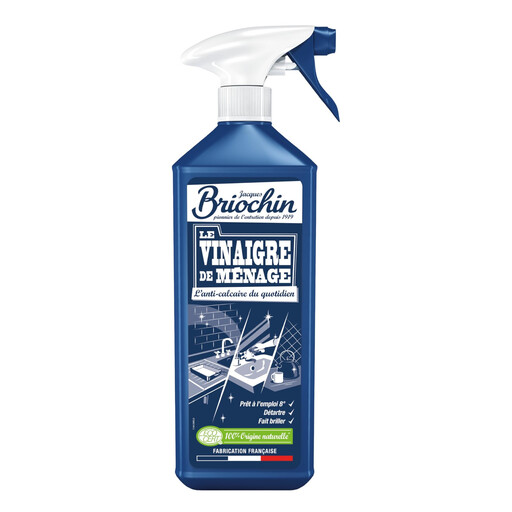
Why we chose it: For those who trust simple, proven ingredients. Vinegar, with its renowned descaling and sanitising properties, is a staple for kitchens and bathrooms.
It sidesteps the *greenwashing* trap by relying on a single, 100% transparent star ingredient: vinegar. Here, effectiveness isn't a marketing promise; it's a well-known fact.
A simple, vinegar-based formula, ready-to-use, to descale, shine, and sanitise without superfluous chemicals.
Yes, and it's a risk not to be taken lightly. Despite their name, these products are not universally safe. Porous surfaces (natural stone, raw wood), metals like aluminium, or the screens of our electronic devices do not react well to overly acidic or aggressive formulas. The safety rule: always read the product manufacturer's instructions and, if in doubt, those of the surface manufacturer.
To put it simply: a cleaner removes visible dirt (dust, grease). Its mission is cleanliness. A disinfectant goes further: it contains specific chemical agents (biocides) that kill invisible microorganisms like bacteria and viruses. A product can be both, but a simple cleaner has no guaranteed disinfecting action certified by a standard.
On paper, yes. The cost per litre of a diluted product is almost always lower than that of a ready-to-use spray. But the real savings depend on your usage. If you only use it occasionally, the large container might end up forgotten in the back of a cupboard. However, for intensive use on large surfaces, the concentrate quickly becomes the smartest choice.