
Livraison le jour même ou le lendemain

Qualité garantie

Débloquez vos offres de bienvenue: Livraison GRATUITE | Jusqu'à -80 % | 30 jours d'essai gratuits à JoyPlus
Téléchargez l'application
Keeping a home clean across modern living areas, compact kitchens and tiled bathrooms often results in a cluttered cupboard full of specialised bottles. A dependable multi-surface spray simplifies daily chores by lifting everyday grime, cooking grease and hard water marks with a single application. However, finding one formula that cleans thoroughly across diverse materials without leaving cloudy streaks, lingering synthetic odours or corrosive residues requires balancing the right active agents with surface compatibility.
Homes across France regularly contend with mineral-heavy tap water alongside daily kitchen grease, requiring distinct chemical actions. An acid-based spray that dissolves limescale on bathroom taps might dull delicate kitchen finishes, while a heavy degreaser may leave greasy films on polished composite worktops. Assessing the base ingredients, indoor air quality impacts and targeted tasks allows you to maintain every room efficiently and protect your living spaces.
A universal cleaner cannot treat all types of household dirt with the same chemical mechanism. Alkaline formulas and baking soda compounds excel at emulsifying organic oils and kitchen grease, whereas acidic agents like white vinegar specifically dissolve inorganic mineral deposits and limescale. Using an acidic spray on heavy baked-on grease often leaves a sticky film, while using an alkaline cleaner on hard water stains produces negligible descaling results.
The term multi-surface does not imply universal tolerance across delicate architectural materials. Acidic formulations featuring vinegar or descaling acids can instantly etch limestone, travertine and unsealed marble, resulting in permanent dull patches. Conversely, formulas with aggressive synthetic surfactants can degrade protective sealants on solid wood furniture. Matching the cleaner to your worktop composition prevents accidental surface damage.
Many conventional cleaning sprays rely on intense artificial perfumes to mask chemical odours, introducing volatile organic compounds into enclosed flats. In food preparation zones, lingering synthetic scents can easily taint open ingredients, while unventilated bathrooms trap airborne irritants. Prioritising fragrance-free products or formulas backed by recognised air emissions standards ensures a healthier domestic environment.
The functional backbone of any spray dictates whether it targets grease, mineral buildup or general dust. Identifying the primary active compound helps you direct the bottle to the correct chores.
Surfaces that encounter raw ingredients, cookware or food storage units demand gentle yet hygienic cleaning agents that rinse cleanly.
Independent third-party verifications confirm that the product meets strict criteria regarding biodegradable ingredients, aquatic toxicity and indoor emissions.
These three balanced formulas provide targeted solutions for food prep areas, limescale control and versatile whole-home maintenance.
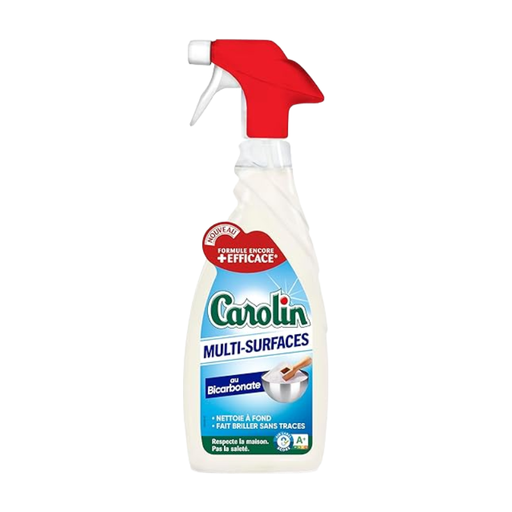
Why This Fits Their Persona: Formulated with bicarbonate of soda, this 650 ml spray delivers dependable grease cutting and deodorising performance across kitchen worktops, dining furniture, ovens and refrigerators without leaving smears.
Because it is completely fragrance-free and carries Airlabel A+ certification, it prevents strong synthetic perfumes from tainting sensitive food storage spaces or triggering indoor respiratory discomfort.
Its streak-free finish on high-traffic culinary counters makes it a practical choice for daily wipe-downs around eating zones where clear surfaces and neutral odours matter most.
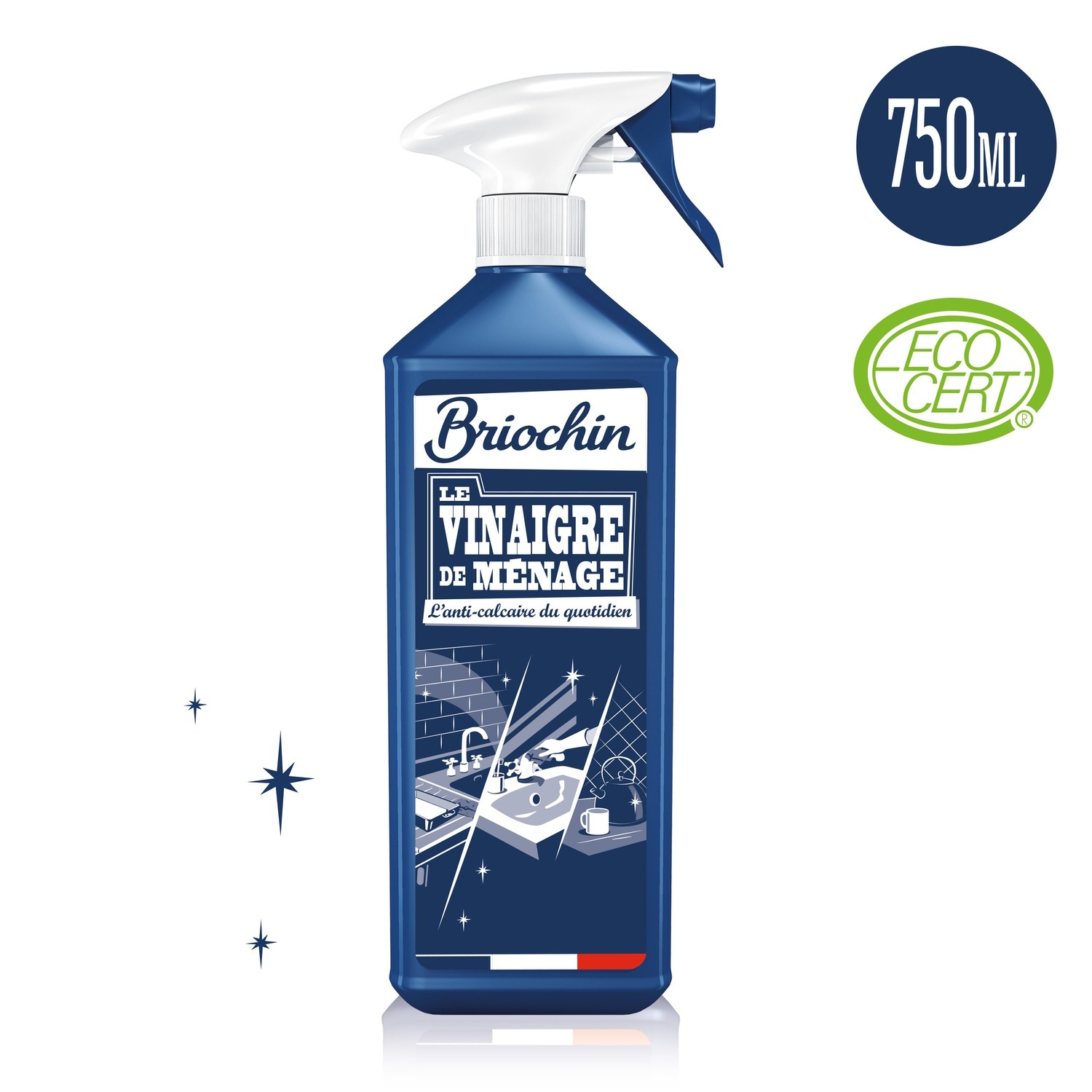
Why This Fits Their Persona: Harnessing the natural descaling strength of traditional household vinegar, this generous 750 ml trigger spray dissolves mineral scale and soap scum across bathroom fittings, kitchen sinks and splashbacks.
It bypasses the need for harsh synthetic descalers that leave cloudy films on brightwork, offering a simple spray-and-wipe routine that restores reflective shine to stainless steel and chrome.
The acidic vinegar base specifically targets the chalky calcium deposits common in continental plumbing fixtures, reviving lustre across tiles and taps with minimal elbow grease.
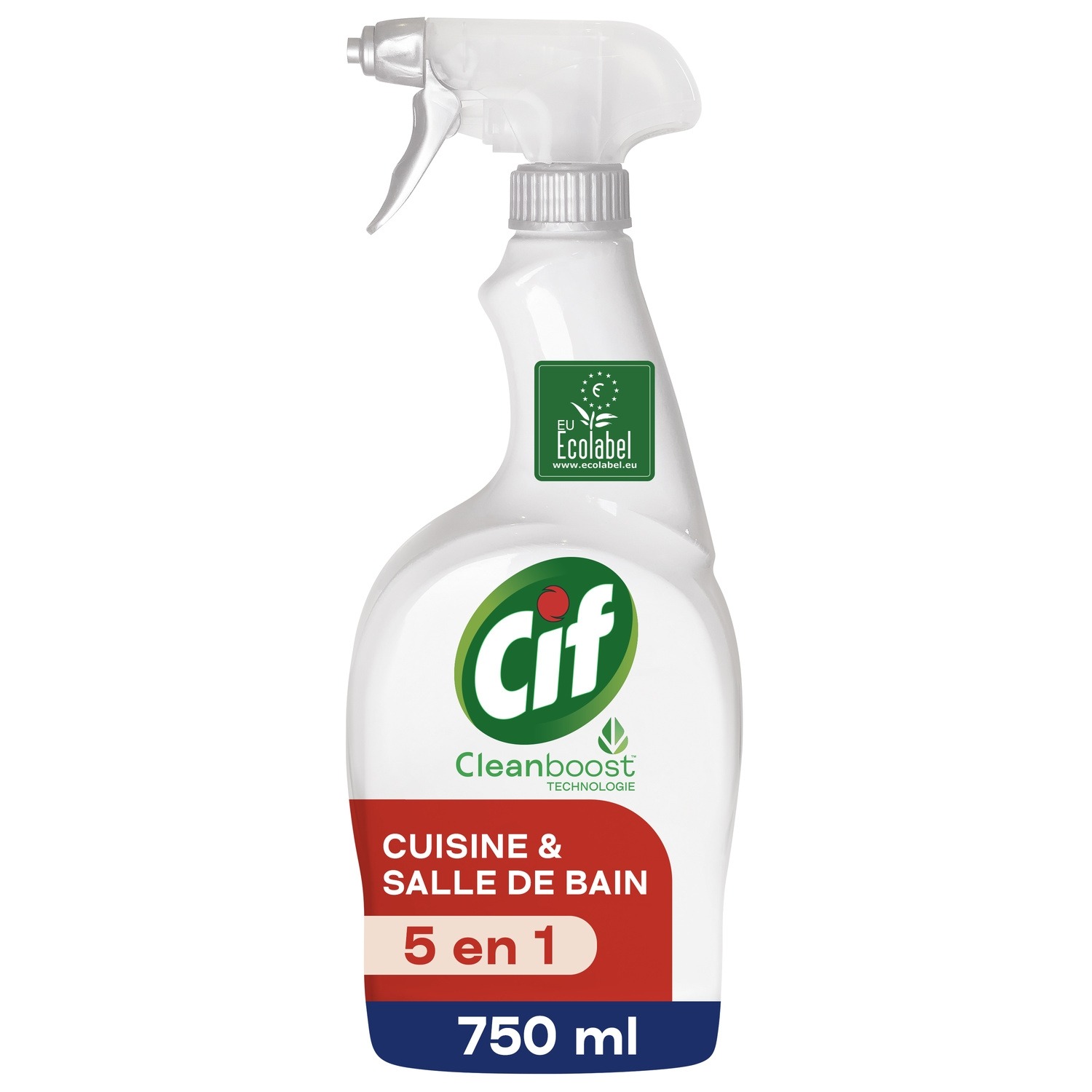
Why This Fits Their Persona: This 750 ml multi-purpose formula bridges the divide between kitchen grease removal and bathroom descaling, offering a balanced five-in-one action designed for hard, washable surfaces throughout the home.
Backed by EU Ecolabel certification, it delivers thorough surface cleaning without the heavy environmental footprint or aggressive chemical residues typical of uncertified generic sprays.
It provides genuine dual-zone versatility, lifting daily hob splatters just as effectively as bathtub water spots while drying to a clean, streak-free shine.
If you require dedicated degreasers for heavy cast-iron cookware, non-acidic formulas for natural marble floors or antibacterial sanitisers, explore our complete domestic maintenance catalogue.
Vinegar-based cleaners are acidic, making them exceptionally effective at dissolving hard water deposits, limescale and soap scum from taps, shower screens and ceramic tiles. In contrast, bicarbonate-based sprays are mildly alkaline, which allows them to break down organic fats, grease splatters and food residues on worktops and hobs without corrosive risks.
Yes, provided you choose a balanced multi-surface formula engineered to address both light grease and water marks without leaving cloudy films. Dual-action sprays designed for hard surfaces clean effectively across both zones, though heavily calcified taps or deeply baked-on oven trays may still occasionally benefit from dedicated acidic or alkaline treatments.
Fragrance-free sprays eliminate synthetic perfume oils that can linger on non-porous surfaces and transfer onto raw ingredients, bread boards or cutlery. They are especially beneficial inside enclosed appliances like refrigerators and microwave ovens, where artificial scents easily become trapped and alter delicate food flavours.