
Livraison le jour même ou le lendemain

Qualité garantie

Débloquez vos offres de bienvenue: Livraison GRATUITE | Jusqu'à -80 % | 30 jours d'essai gratuits à JoyPlus
Téléchargez l'application
A broken handle, a detached plastic part or a cracked ceramic object cannot always be repaired with the same adhesive. Yet packaging for multi-material super glue often promises a “universal” bond without explaining compatibility limits, format or application method.
Before buying super glue, instant glue or cyanoacrylate glue, there are three pitfalls to look out for.
A glue may be suitable for wood, metal, ceramic, rubber and certain plastics, while bonding very poorly to polyethylene (PE), polypropylene (PP) or PTFE/Teflon. These materials have a surface that is not very receptive to conventional instant glues.
So, when choosing a plastic glue, check which type of plastic it is designed for or look for a formula with an activator. Loctite’s “All Plastics” product combines an activator pen with cyanoacrylate glue to prepare the surface before assembly.
A very fluid formula penetrates fine cracks easily, but it may run when applied to a vertical or porous object. This can make the bonding less precise and leave visible marks.
A gel glue or precision nozzle is better suited to small areas, corners and vertical assemblies. Controlled flow also helps prevent excess glue: with cyanoacrylate, a thin layer is generally all you need.
Resisting moisture does not mean that an object can be immersed immediately or put in the dishwasher just seconds after bonding. The adhesive must first cure, and its strength also depends on surface preparation, the pressure applied and the nature of the materials.
For a repair that will be exposed to water, check the manufacturer’s instructions and allow the bond to reach its maximum strength before using the object. Loctite Super Glue-3 Control and Precision products claim to be water- and dishwasher-resistant once the bond has cured sufficiently.
Identify the two surfaces to be joined before comparing formats. A metal glue may also be suitable for wood or ceramic, while a glue intended for engineering plastics may require a specific activator.
Here are the combinations commonly covered by the products featured:
A clear liquid glue flows into narrow joints and dries discreetly. It is suitable for porcelain, jewellery, frames or small model-making parts.
For precise work, look for:
UHU Power Glue Liquid Control features a Direct-Stop nozzle designed to limit drips. Loctite Super Glue-3 Creative comes in a pen format with a gel texture for precision applications.
A large bottle may suit DIY enthusiasts who carry out repairs regularly, but it could dry out if the cap is not closed properly. Conversely, mini doses help reduce waste for occasional use.
Compare the quantity, number of tubes and ease of storage:
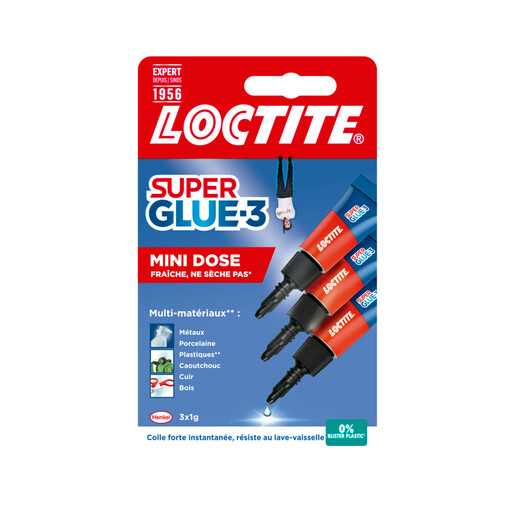
Why this choice suits this profile : The three individual doses are ideal for occasional household repairs, without having to store a large opened tube for months.
The single-use format reduces the risk of waste caused by a bottle that is too large drying out.
Clear liquid glue, quick setting and stated compatibility with wood, rubber, porcelain, leather and certain plastics.
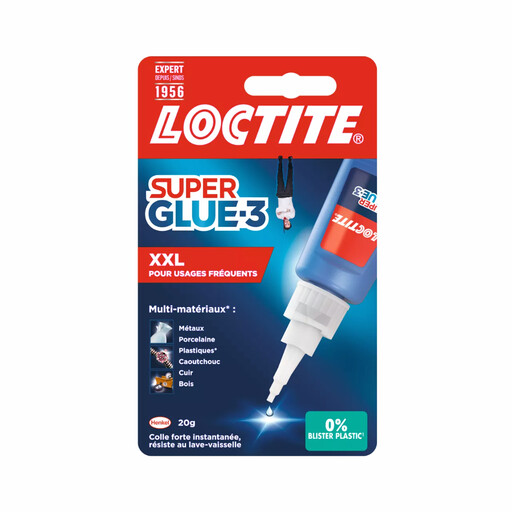
Why this choice suits this profile : With 20 g of glue, this format is aimed at anyone looking for an adhesive for regular repairs, DIY projects or model-making.
The product information specifies which surfaces to avoid, including PE, PP and PTFE, rather than presenting compatibility as unlimited.
Clear liquid formula, sets in a few seconds and provides enough adhesive for several projects.
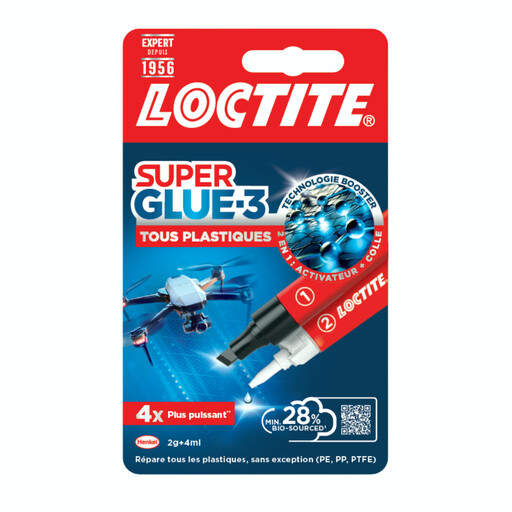
Why this choice suits this profile : The activator pen system is designed for repairing difficult-to-bond plastics, such as certain car accessories, toys or electronic equipment.
The activator prepares the surface before application, helping to address the problem of plastics to which standard glue bonds poorly.
Set comprising a 2 g adhesive and a 4 ml activator pen, with a stated clear finish.
We have put together a complete, real-time updated selection of products that meet these strict criteria and European safety regulations.
For a clean, durable bond, follow these steps:
Cyanoacrylate glues can bond skin and eyes within seconds. Work in a well-ventilated area, keep the product out of children’s reach and close the bottle carefully after use. If the glue gets into your eyes, rinse thoroughly and seek medical advice. Never force apart glued fingers: use warm soapy water and separate them gradually.
Start by identifying the type of plastic. PVC, ABS, PS, acrylic and polycarbonate are listed as compatible with certain UHU products. PE, PP and PTFE are frequently excluded from conventional instant glues. For these surfaces, look for a solution specifically formulated for these materials or supplied with an activator.
The initial bond often forms within a few seconds when the surfaces are clean and properly aligned. However, maximum strength takes longer to develop. Follow the manufacturer’s instructions and avoid putting stress on the repair immediately, particularly in cases involving bending, moisture or temperature changes.
Yes, clear glue can minimise the visual impact on ceramic, glass, jewellery, wood or certain plastics. However, it will not conceal marks left by excess product. For a discreet finish, a precision nozzle and applying a fine drop are still essential.